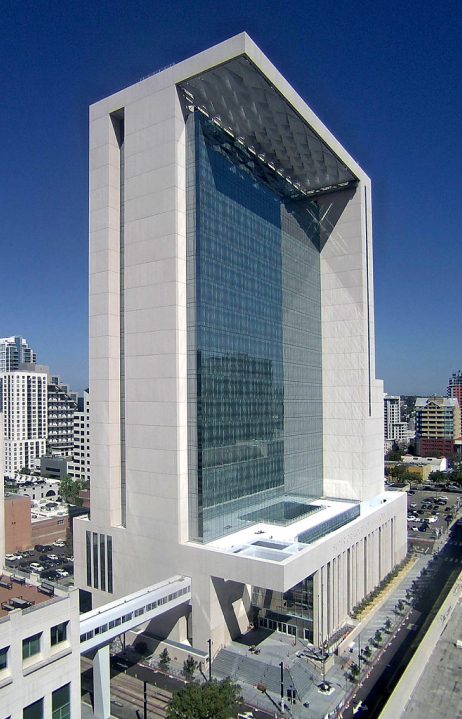
San Diego County court workflow
How does the San Diego County probate court process affect attorney support?
San Diego Superior Court generally requires attorneys filing for represented parties in probate actions to use an approved electronic filing provider. Self-represented litigants are encouraged but not required to eFile. Original wills and codicils are not eligible for electronic filing.
| Local step | What the official court says | What to confirm before acting |
|---|---|---|
| Submit eligible filings | Attorneys for represented parties generally must use an approved electronic filing service provider. | Confirm the current exception list, provider, fee, and acceptance status. |
| Deliver the original will | Original wills and codicils are not eligible for eFiling. | Follow the Probate Business Office instructions and connect the original to the filed petition. |
| Review Examiner Notes | The court examiner reviews probate filings before the hearing. | Identify the issue, file any required response, and recheck the notes before the hearing. |
Do not treat an eFiled copy as delivery of the original will. Keep the signed original secure and follow the court’s current separate-delivery instructions.
When legal judgment matters
When should you get legal help for probate in San Diego County?
California does not require a lawyer in every probate matter. The need for legal help depends on the filing, the court’s review, the estate, and whether anyone disputes the case.
| Situation | What to discuss | What to bring |
|---|---|---|
| The administration is expected to be uncontested | Confirm the opening petition, notice, requested authority, probate examiner notes, inventory, creditor work, and distribution plan. | Bring the will, trust, death certificate, account and property records, known bills, and beneficiary contacts. |
| A hearing is close or Probate Examiner Notes identifies an issue | Identify whether the issue needs a corrected filing, proof, declaration, notice, or legal response under San Diego Superior Court procedures. | Bring the case number, petition, hearing notice, current probate examiner notes, filed documents, and proof of notice. |
| The estate includes real estate, a business, difficult tax work, or unclear ownership | Discuss how authority, valuation, sale decisions, reporting, and ownership affect the court and settlement plan. | Bring deeds, loan and insurance records, business documents, appraisals, ownership records, and recent tax returns. |
| Someone disputes the will, appointment, claim, account, or distribution | Determine whether an objection, response, evidentiary hearing, or separate litigation engagement is required. | Bring court papers, messages, agreements, account records, claim documents, and a dated event summary. |
Licensed work and California fees
What may a probate attorney in San Diego County handle, and how are fees calculated?
The engagement may include petition strategy, eFiling, original-document handling, notice, Probate Examiner Notes responses, hearings, legal advice, court-required reports, and final legal documents.
Probate representation does not automatically include every account, property issue, institution, tax record, creditor task, or beneficiary update outside court. The written engagement should identify the legal scope and what remains with the executor.
San Diego County does not set a separate percentage formula for ordinary probate attorney compensation. California law controls ordinary compensation. Court-approved extraordinary legal work and case expenses are separate.
What Alix is
How does Alix manage the complete San Diego County estate settlement?
Filing the San Diego case and responding to examiner notes are only part of the executor’s workload. Alix connects that legal work with the accounts, property, institutions, creditors, taxes, records, beneficiaries, transfers, and closing work across the estate.
| Workstream | Who handles it | Typical work |
|---|---|---|
| San Diego County legal case | A licensed attorney | Petition strategy, eFiling, original-document handling, notice, Probate Examiner Notes responses, hearings, legal advice, court-required reports, and final legal documents within the engagement. |
| Complete estate settlement | Your Estate Settlement Specialist | Account and asset discovery, institution follow-up, property and insurance work, creditor records, tax-document organization, beneficiary updates, transfers, and closing handoffs. |
Questions to ask before you sign
What should you ask before choosing San Diego County probate support?
| Question | What the answer should identify |
|---|---|
| Who monitors Probate Examiner Notes? | Who checks the notes, identifies what must be filed, prepares the response, and confirms the hearing plan. |
| What is ordinary versus extraordinary legal work? | Examples tied to the estate, how additional work will be documented, and what requires separate court approval. |
| Who manages the estate outside court? | Who owns accounts, property, insurance, taxes, creditors, records, institution follow-up, beneficiary updates, transfers, and closing. |
| How will progress be visible? | The responsible person, current documents, deadlines, updates, and response expectations for legal and operational work. |
Verify the attorney and prepare the file
How do you verify a San Diego County probate attorney?
| Check | What to confirm |
|---|---|
| State Bar record | Confirm active California license status and review the available public discipline history. |
| Relevant probate experience | Ask about routine administration, probate examiner notes, real estate, creditors, tax-sensitive work, accountings, and contested matters as they apply. |
| San Diego County familiarity | Ask about current probate eFiling, original-document rules, examiner notes, local rules, and hearing procedures. |
| Certified specialization | Verify any claimed certification through the State Bar. Treat it as one measure of fit, not a guarantee. |
| Engagement terms | Confirm ordinary and extraordinary work, staffing, communication, case costs, work outside court, and the executor’s remaining responsibilities. |
Verify an attorney with the State Bar of California
Bring the original will and trust, death certificate, property and account records, known bills, tax records, beneficiary contacts, court papers, case number, hearing notice, current Probate Examiner Notes, and any eFiling receipt or rejection notice.
Settling a loved one’s estate is too important to do alone.
Fulfill your duty as executor with the rigor and expertise it deserves.
Set up a complimentary consultationQuestions worth answering
Questions about San Diego County probate legal support
Do I need a probate lawyer in San Diego County?
California does not require a lawyer in every probate matter. Legal help becomes more important when a filing or hearing is close, Examiner Notes are difficult to resolve, the will or ownership is unclear, the estate may be insolvent, real estate or a business creates complexity, or someone objects or threatens litigation. Review those facts with counsel before the next filing or hearing so the legal scope is clear.
Is probate eFiling required in San Diego County?
The San Diego Superior Court states that attorneys filing for represented parties in probate actions generally must eFile through an approved provider, subject to listed exceptions. Self-represented litigants are encouraged but not required to eFile. Confirm the current requirements before submitting documents. Use the latest official court page and case record for the specific matter.
How are San Diego County probate attorney fees calculated?
Ordinary attorney compensation follows California’s statewide statutory schedule rather than a separate San Diego County percentage. Court-approved extraordinary legal services and filing, publication, appraisal, bond, tax, property, and operational settlement costs can be separate. The written engagement should identify the legal scope, billing terms, and costs outside ordinary compensation.
What is Probate Examiner Notes in San Diego County?
San Diego Probate Examiner Notes are the court staff’s pre-hearing review. They may identify questions, missing information, notice issues, or documents the court still needs. Determine what requires a filed response and recheck the notes before the hearing. Keep the current court information with the case file.
How do I verify a probate attorney in San Diego County?
Use the State Bar of California Attorney Search to confirm active license status and review the available public discipline record. Ask about San Diego probate filing rules, examiner notes, relevant case experience, staffing, communication, and the complete engagement scope. Confirm the written scope, communication plan, and responsibility for work outside court before signing.
Does Alix include legal support for San Diego County probate?
Alix manages estate settlement from start to finish with legal support included. A licensed attorney handles the legal work, while an Estate Settlement Specialist manages the broader operational settlement work covered by the service. The work is connected through one settlement plan so court and estate tasks do not become separate projects.
Sources checked for this page6 current court, government, and law references
Forms, fees, court assignments, and procedures can change. Confirm the current official source before filing.
- San Diego Superior Court: ProbateLocal probate division and resources
- San Diego Superior Court: Probate eFilingElectronic filing requirements
- San Diego Superior Court: Probate eFiling FAQOriginal documents and filer rules
- State Bar of California: Attorney SearchLicense status and public discipline record
- California Probate Code section 10810Ordinary attorney compensation
- California Courts: Formal probateStatewide probate process and forms