Shasta County court route
Where do you file probate in Shasta County?
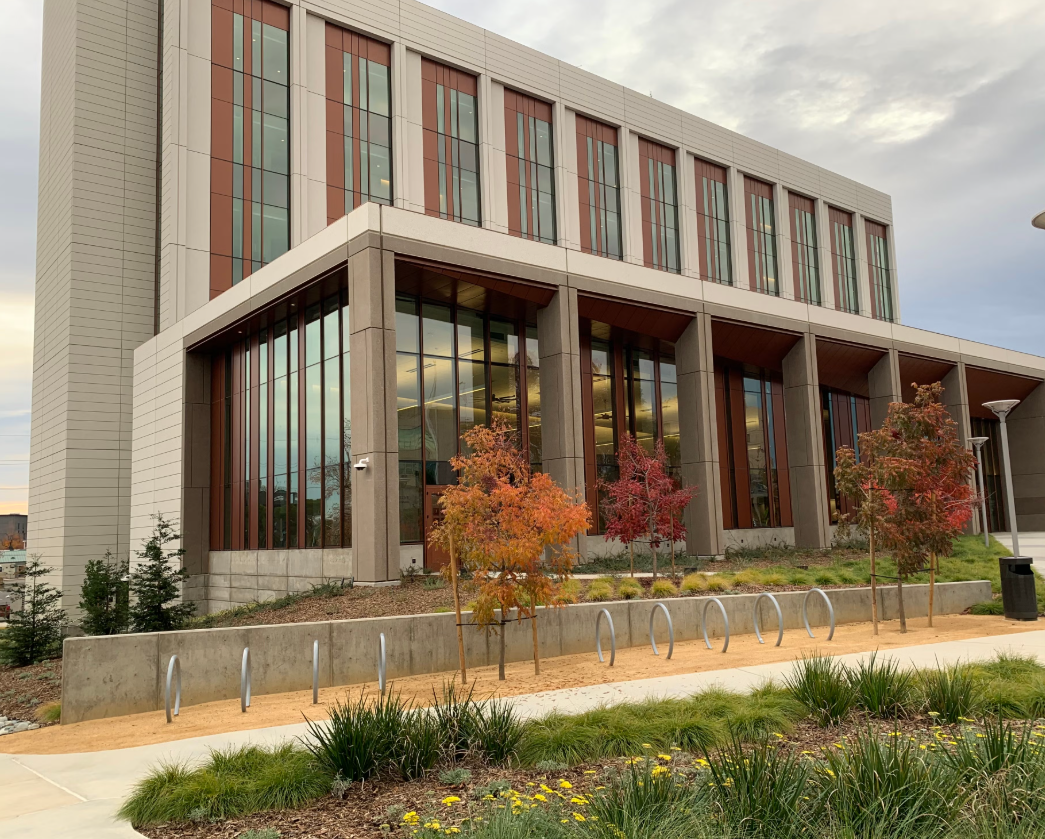
Shasta handles probate through the Main Courthouse at 1515 Court Street in Redding, and probate matters are filed in the Civil Division. The accepted case and hearing notice identify the assigned department, date, and appearance instructions.
| Check | Current local rule | What to do |
|---|---|---|
| Confirm the courthouse | The Probate Division lists the Main Courthouse in Redding. | Use the current address and office hours before visiting or mailing. |
| Confirm the filing unit | Probate matters are filed through the Civil Division. | Use the probate contact and correct case type. |
| Confirm the hearing status | Tentative-ruling and department pages provide current court direction. | Use the exact case and hearing date. |
Do not rely on the older dollar examples displayed on the Shasta page to choose formal probate. California changed its small-estate rules. Use the current statewide court guide and the property facts before filing.
Prepare the opening filing
How do you start a probate case in Shasta County?
Shasta links filers to current Judicial Council forms and the court fee schedule. The opening packet should identify the will, requested representative, interested people, property estimate, and requested authority. Confirm the current electronic, mail, or clerk submission route before delivery.
- Confirm the current transfer procedureCompare the property with today’s California formal-probate and small-estate rules.
- Prepare the petition and related papersUse current Judicial Council forms and any applicable local requirement.
- Submit through the Civil Division routeFollow the clerk’s current instructions and preserve the accepted filing.
- Track the case and hearingSave the case number, notice, and any department ruling.
An original will or codicil may need to be lodged separately from an electronic or copied filing. Confirm the current Shasta clerk procedure for every original, bond, and document that requires conventional delivery.
Tentative-ruling and department checks
What should you check before a Shasta County probate hearing?
Shasta provides tentative-ruling access by department. The current entry can show whether the court identified a problem, requires appearance, or intends to rule without additional argument. The hearing notice remains the starting point for finding the right department.
| When to check | What you may see | What happens next |
|---|---|---|
| Before the hearing | A department ruling or calendar instruction may be available. | Open the current entry for the assigned department and date. |
| When a filing issue appears | The court may require a proof, supplement, amended document, bond, or appearance. | Use the accepted filing route and preserve the response. |
| After the hearing | The final order or minute record documents the result. | Save it in the permanent estate file. |
Do not use an archived ruling for a later hearing. A continuance changes the date and may change the issue, department, or appearance instruction.
Build one usable case file
What should you keep with a Shasta County probate filing?
A Shasta probate file should separate current California eligibility research from local filing records. That prevents an older threshold shown on a county page from becoming the basis for the estate’s transfer decision.
| Part of the file | Why it matters | Local checkpoint |
|---|---|---|
| Transfer-route record | The current statewide court guidance and ownership evidence explain why formal probate is used. | Date the eligibility check. |
| Opening court file | The petition, notice, will record, proposed order, and Letters request appointment. | Use current forms. |
| Hearing file | The notice, department entry, correction, and final order show the court path. | Replace archived information after a continuance. |
| Estate ledger | Property, accounts, bills, claims, insurance, taxes, and contacts support administration. | Keep source documents for each entry. |
Current source selection matters. Keep the official statewide eligibility page with the working file so the legal route can be rechecked if the property list changes.
The filing opens the court track
What happens after you file probate in Shasta County?
Appointment moves the case into administration. The representative then has to locate property, protect it, handle valid creditor claims, organize taxes, maintain records, update beneficiaries, and prepare distribution and closing.
- Confirm the court authorityRead the order, Letters, bond, and any limits.
- Build the inventoryUse statements, deeds, titles, and ownership records.
- Maintain the estate ledgerTrack claims, bills, property work, income, expenses, and tax documents.
- Return for distribution and dischargeUse the completed administration record.
The Shasta filing opens the court track. The settlement still depends on the institution, property, creditor, tax, recordkeeping, transfer, and beneficiary work outside the courtroom. Recheck the transfer route if new property is discovered or title evidence changes the estate picture. Keep that eligibility record with the accepted petition, hearing notices, Letters, inventory support, creditor papers, tax records, transaction ledger, and distribution plan. This gives the representative one current file for both the court process and the work required to settle the estate. Use the current statewide eligibility guidance each time that property list changes; the older examples on a county page should never control the transfer decision.
See how the complete California probate timeline fits together
What Alix is
How does Alix handle Shasta County probate and the complete estate settlement?
Alix manages Shasta County estate settlement from start to finish, with legal support included. A licensed attorney handles legal advice, required filings, hearings, and other work that requires a lawyer. Your Estate Settlement Specialist handles the broader operational workload around the case.
| Workstream | Who handles it | What the work includes |
|---|---|---|
| Shasta County legal work | A licensed attorney | Civil Division filing, current-rule verification, court responses, notices, hearings, required notices, hearing preparation, legal advice, court responses, and final legal documents covered by the engagement. |
| Complete estate settlement | Your Estate Settlement Specialist | Account and asset discovery, institution follow-up, property and insurance work, creditor records, tax-document organization, beneficiary updates, transfers, and closing handoffs. |
You remain the decision-maker. Alix keeps the Shasta County court track connected to the property, accounts, bills, taxes, records, and people affected by the settlement.


Settling a loved one’s estate is too important to do alone.
Fulfill your duty as executor with the rigor and expertise it deserves.
Set up a complimentary consultationQuestions worth answering
Questions about Shasta County probate legal support
Where is the Shasta County probate court?
Shasta County probate matters are filed through the Civil Division at the Main Courthouse, 1515 Court Street in Redding. Use the Probate Division page, accepted case, hearing notice, department information, and current tentative-ruling link to confirm the filing office, courtroom, date, and appearance instructions.
Where are Shasta County probate matters filed?
The court states that probate matters are filed in the Civil Division at the Main Courthouse in Redding. Use the probate contact and current clerk instructions before mailing or visiting. The hearing notice identifies the department and may contain separate remote or in-person appearance directions.
Should I use the estate threshold shown on the Shasta probate page?
No. The Shasta page includes older dollar examples that no longer reflect California’s current small-estate rules. Use the current California Courts Self-Help guidance and the date-of-death rules that apply to the estate before deciding whether formal probate is required.
Where do I check a Shasta probate tentative ruling?
Use the court’s current tentative-ruling page and select the department assigned on the hearing notice. Confirm the case and hearing date because archived entries may remain available. Save the ruling for hearing preparation, then keep the signed order or minute order as the final record.
Do I need a lawyer for Shasta County probate?
California does not require a lawyer in every probate matter. Legal support becomes more important when the transfer route is uncertain, the court identifies a legal issue, the original will or ownership is disputed, or the estate involves difficult property, creditor, tax, accounting, business, dispute, or litigation work.
What does Alix handle for Shasta County probate?
Alix manages estate settlement from start to finish with legal support included. A licensed attorney handles the legal work. Your Estate Settlement Specialist handles the broader work across accounts, institutions, property, creditors, tax records, beneficiaries, transfers, and closing so the court filing does not become a separate project.
Sources checked for this page4 current court, government, and law references
Forms, fees, court assignments, and procedures can change. Confirm the current official source before filing.
- Shasta Superior Court: Probate DivisionRedding location, Civil Division filing, forms, and estate guidance
- Shasta Superior Court: Tentative RulingsCurrent department rulings and hearing checks
- Shasta Superior Court: Forms and FilingCourt forms, fees, and filing access
- California Courts: Formal probateStatewide formal probate steps and Judicial Council forms