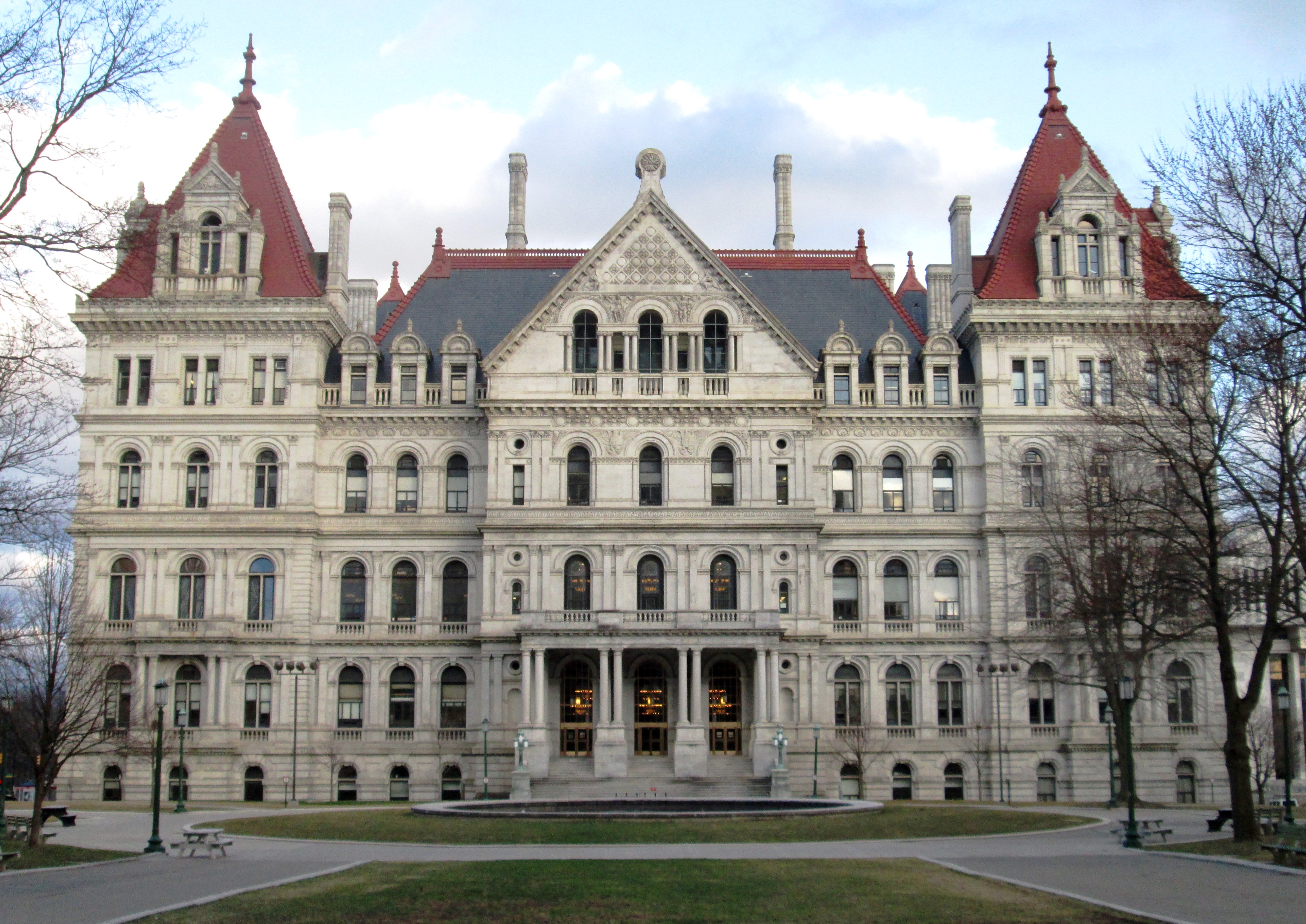
New York probate
Which court handles the probate case?
For a New York domiciliary, file in the Surrogate’s Court for the county of domicile under SCPA 205. Keep the supporting record, responsible person, chosen action, and next deadline together before proceeding. Current form or order, supporting records, filing receipt, case number, and next court response
| Question or record | What applies | Next action |
|---|---|---|
| Court responsible | Each New York county has a Surrogate’s Court for probate and estate administration. | Keep the supporting record, responsible person, chosen action, and next deadline together before proceeding |
| Venue or receiving office | For a New York domiciliary, file in the Surrogate’s Court for the county of domicile under SCPA 205. | Keep the supporting record, responsible person, chosen action, and next deadline together before proceeding |
| Filing channel | NYSCEF availability and mandatory status are county- and proceeding-specific; use the selected county’s court profile and protocol. | Keep the supporting record, responsible person, chosen action, and next deadline together before proceeding |
New York probate
Which official filing and record tools should you use?
New York probate
What is the local filing workflow?
- OriginalsKeep the supporting record, responsible person, chosen action, and next deadline together before proceeding
- Fee and paymentKeep the source, quote or invoice, approval, payment record, and estate-ledger entry together
- Notice or hearingKeep the supporting record, responsible person, chosen action, and next deadline together before proceeding
- Records and copiesOrganize the current records, identify the responsible person, and calendar the next deadline before acting
New York probate
How can the papers be filed and delivered?
| Question or record | What applies | Next action |
|---|---|---|
| Notice or hearing | A citation and return date are needed when jurisdiction is not completed by waivers and consents. | Keep the supporting record, responsible person, chosen action, and next deadline together before proceeding |
| Records and copies | WebSurrogate provides public estate-file and document searches, subject to access restrictions. | Organize the current records, identify the responsible person, and calendar the next deadline before acting |
| Issued authority | When the Surrogate admits the will and the executor qualifies, the court enters a decree and issues Letters Testamentary. | Keep the supporting record, responsible person, chosen action, and next deadline together before proceeding |
| Court responsible | Each New York county has a Surrogate’s Court for probate and estate administration. | Keep the supporting record, responsible person, chosen action, and next deadline together before proceeding |
New York probate
How do you track the case and hearing?
- Issued authorityKeep the supporting record, responsible person, chosen action, and next deadline together before proceeding
- Court responsibleKeep the supporting record, responsible person, chosen action, and next deadline together before proceeding
- Venue or receiving officeKeep the supporting record, responsible person, chosen action, and next deadline together before proceeding
- Filing channelKeep the supporting record, responsible person, chosen action, and next deadline together before proceeding
Each New York county has a Surrogate’s Court for probate and estate administration. Keep the supporting record, responsible person, chosen action, and next deadline together before proceeding. Current form or order, supporting records, filing receipt, case number, and next court response
New York probate
How does Alix handle the court work and the estate work?
NYSCEF availability and mandatory status are county- and proceeding-specific; use the selected county’s court profile and protocol. Keep the supporting record, responsible person, chosen action, and next deadline together before proceeding. Current form or order, supporting records, filing receipt, case number, and next court response
Licensed legal and tax work
- Legal advice and filing strategy
- Petitions, notices, and legal responses
- Court questions and hearings
- Included tax work by qualified professionals
Estate settlement operations
- Accounts, assets, and institution follow-up
- Property, insurance, debts, and records
- Beneficiary communication and distributions
- One Estate Settlement Specialist coordinating the work
Use Form P-1 and the statewide probate checklist; add the original will and codicils, death certificate, and any required citation, waivers, renunciations, affidavits, family-tree proof, and proposed decree. Keep the supporting record, responsible person, chosen action, and next deadline together before proceeding


Settling a loved one’s estate is too important to do alone.
Fulfill your duty as executor with the rigor and expertise it deserves.
Set up a complimentary consultationQuestions worth answering
Questions about New York probate
How do I choose the receiving probate court in New York?
Each New York county has a Surrogate’s Court for probate and estate administration. For New York, keep the controlling source, supporting record, responsible person, chosen action, and next deadline together in the estate file before relying on this answer.
What should I prepare before filing?
Use Form P-1 and the statewide probate checklist; add the original will and codicils, death certificate, and any required citation, waivers, renunciations, affidavits, family-tree proof, and proposed decree. For New York, keep the controlling source, supporting record, responsible person, chosen action, and next deadline together in the estate file before relying on this answer.
How can the opening be submitted, and what does it cost?
NYSCEF availability and mandatory status are county- and proceeding-specific; use the selected county’s court profile and protocol. Checked October 18, 2026: SCPA 2402 bases the petition fee on estate value; payment methods and certificate charges are county-specific.
What should I preserve after submission?
WebSurrogate provides public estate-file and document searches, subject to access restrictions. When the Surrogate admits the will and the executor qualifies, the court enters a decree and issues Letters Testamentary. For New York, keep the controlling source, supporting record, responsible person, chosen action, and next deadline together in the estate file before relying on this answer.
What should you gather before starting New York probate filing?
Start with the original will, certified death certificate, ownership records, beneficiary and family details, current addresses, and any case number or court notice. Keep accepted filings separate from drafts, and record who supplied each document. This gives the court, institutions, the assigned attorney, and the Estate Settlement Specialist one reliable working file for the New York estate.
What can Alix handle for a New York estate?
Alix handles the agreed probate and estate-settlement work under one written plan. A licensed attorney from the Alix network handles included legal work. Qualified tax professionals handle included tax work. An Estate Settlement Specialist manages the accounts, property, debts, records, institutions, distributions, and family updates while you remain in control of required decisions.
Official sourcesView the 6 current court and law sources used for this page
New York court and statute pages set the rules and amounts used in this guide.
- New York Courts guidanceOfficial rule, form, procedure, or service source
- SCPA §205, Domiciliaries; jurisdiction and venueOfficial rule, form, procedure, or service source
- When Someone Dies | New York CourtsOfficial rule, form, procedure, or service source
- websurrogates.nycourts.gov official guidanceOfficial rule, form, procedure, or service source