Do All Wills Go Through Probate? What You Need to Know in March 2026
Most folks assume that having a will is the key to “skipping court,” then find out that the will is exactly what sends the estate into probate in the first place. Do all wills go through probate? This guide walks through when a will must go through probate, when it does not, and what practical steps you can take now so your family spends less time in court later.
Most folks assume that having a will is the key to “skipping court,” then find out that the will is exactly what sends the estate into probate in the first place. Do all wills go through probate? In many estates, the court still needs to validate the document, authorize the executor, and supervise debt payment and distributions, even when the will is clear. What actually keeps assets out of probate is how they are titled, whether they have beneficiary designations, and whether the estate stays below your state’s thresholds for a simplified process. This guide walks through when a will must go through probate, when it does not, and what practical steps you can take now so your family spends less time in court later.
Key Takeaways:
- Having a will doesn't skip probate. Courts must validate the will and appoint the executor before an executor can act.
- State thresholds vary widely: Florida requires probate at $75K, while California requires it at $208K.
- Assets with direct beneficiary designations or held in trust bypass probate regardless of your will.
- Probate costs 3-8% of estate value, typically $15K-$40K for a $500K estate.
- Alix handles all probate filings and court requirements, cutting 600+ hours by 95%.
Understanding Probate: The Basic Truth About Wills
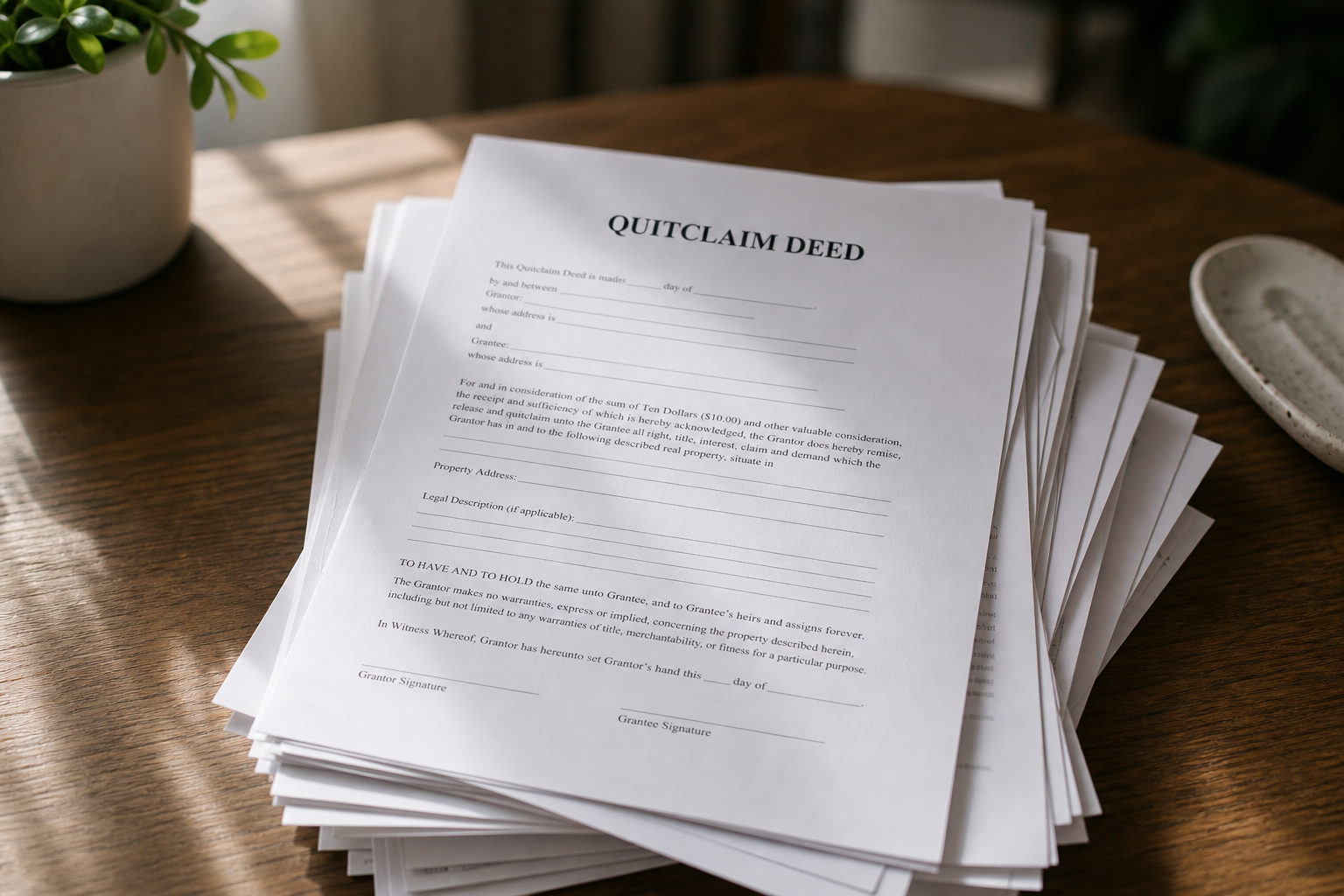
Having a will doesn't mean your estate skips probate. A will only becomes legally enforceable after going through probate court, where a judge validates the document and authorizes the executor to act.
Probate is the legal process that officially recognizes a person's death, proves the will is valid, and grants the executor authority to settle the estate. The court oversees creditor notification, debt payment, and distribution of remaining assets to beneficiaries named in the will.
This misconception causes confusion for families who expected a simpler process. The will provides the roadmap for distribution, but probate is the legal mechanism that makes that roadmap enforceable.
Whether your estate enters probate depends on total asset value, how assets are titled, and your state's specific thresholds.
When Your Estate Must Go Through Probate: State Thresholds That Matter
Each state sets its own threshold for when probate becomes required. If your loved one's estate falls below that amount, you may qualify for a simplified small estate affidavit instead of full court proceedings.
In Florida, formal probate is required for estates worth at least $75,000. Estates below this amount may qualify for summary administration, a faster process with less court oversight. The threshold applies only to probate assets, not to assets that transfer outside probate, such as beneficiary-designated accounts.
California raised its small estate threshold for personal property to $208,850 in 2025. Personal property includes any assets that would pass through probate, excluding real estate. The state also introduced a new exemption allowing primary residences valued at $750,000 or less to skip traditional probate.
Wisconsin requires probate for estates worth $50,000 or more. Estates below this amount may use informal administration, which requires less documentation and court involvement.
These thresholds apply only to probate assets. Assets with beneficiary designations, jointly owned property with survivorship rights, and assets in trusts don't count toward the threshold because they transfer automatically outside of probate.
Assets That Must Go Through Probate vs. Those That Don't
Not all assets require probate. Some transfers are made automatically to survivors, regardless of whether or not you have a will and what it directs.
Assets titled solely in the deceased person's name enter probate: real estate without a transfer-on-death designation, bank accounts without beneficiaries, vehicles titled only in the deceased's name, personal property such as jewelry or furniture, and investment accounts without beneficiary designations.
Life insurance policies transfer directly to named beneficiaries without court involvement. Retirement accounts like 401(k)s and IRAs work the same way when beneficiaries are designated. Bank accounts with payable-on-death (POD) designations go directly to the named beneficiary. Investment accounts with transfer-on-death (TOD) instructions follow the same path.
Real estate held in joint tenancy with rights of survivorship transfers to the surviving owner. In Wisconsin, a transfer-on-death deed allows property to bypass probate when filed before death. Revocable living trusts hold assets outside your personal name, so they never enter probate.
How Trusts Actually Avoid Probate Where Wills Cannot
Trusts avoid probate because assets inside them aren't owned by you personally. When you die, only assets in your own name require probate. Assets owned by your trust are transferred in accordance with the trust terms, with no court process required.
Both revocable and irrevocable living trusts work this way. With a revocable trust, you retain control as trustee during your lifetime. After your death, your successor trustee manages the trust assets per the instructions you wrote in the trust terms. Irrevocable trusts function similarly, though you give up control when funding them.
Wills operate differently. They only take effect after death and require court validation through probate. Trusts take effect immediately when created and continue operating after death without court involvement.
The critical step is funding. You must retitle assets into trust name. An unfunded trust can't avoid probate, no matter how well it's drafted.
The Real Costs of Probate: What Your Family Will Pay
Probate incurs real financial costs that reduce the amount beneficiaries receive. Probate typically costs between 3% and 8% of your estate's total value. For a $500,000 estate, that means $15,000 to $40,000 in expenses before distribution.
These costs include court filing fees, publication fees for creditor notices, appraiser fees for real estate and personal property, and accounting fees for estate tax returns. Executors who aren't family members may also take statutory fees, which vary by state but typically range from 2% to 4% of the estate's value.
Attorney fees represent the largest expense in most cases. Some states allow percentage-based fees tied to estate value. Others bill hourly, which can add up quickly when disputes arise or when assets are difficult to locate.
Florida Probate: Special Rules and Exemptions You Should Know
Florida offers exemptions that protect certain assets from probate and creditors. The homestead exemption shields your primary residence from most creditor claims, and if left to a surviving spouse or minor children, it transfers outside the probate process entirely.
Personal property up to $20,000 may qualify for exemption when left to surviving family members. This includes household goods, furnishings, and appliances used in the primary residence.
Summary administration provides a faster alternative to formal probate for estates valued under $75,000 or when the person died more than two years ago. The process requires less documentation and typically resolves within weeks instead of months.
Florida requires probate when a will exists, but trusts holding properly titled assets bypass it entirely. You must file probate within two years of death in Florida, though exceptions apply for creditor claims and specific circumstances.
How to Minimize or Avoid Probate: Practical Strategies
You can take steps now to keep your estate out of probate court. The strategies below work best when implemented together instead of relying on a single approach.
Create a revocable living trust and transfer ownership of your real estate, bank accounts, investment accounts, and personal property into it. This removes those assets from your personal name, so they pass directly to beneficiaries when you die. The trust document names your successor trustee, who handles distribution without court oversight.
Add beneficiary designations to every account that allows them. Life insurance, retirement accounts, bank accounts, and brokerage accounts all offer payable-on-death or transfer-on-death options. Update these designations after major life changes, such as marriage, divorce, or the birth of children.
Consider joint ownership with rights of survivorship for your primary residence if you have a spouse. The property transfers automatically to the surviving owner. Wisconsin residents can file a transfer on death deed with the county register, which lets real estate pass outside probate while you retain full control during life.
For smaller estates, confirm your state's small estate affidavit threshold. If your probate assets fall below that amount, your family can settle the estate with a simple court filing instead of full probate proceedings.
How Alix Simplifies Estate Settlement When Probate Is Required
When probate becomes necessary, Alix handles the entire process from start to finish. We manage court filings, hearing preparations, and coordination with trusted probate attorneys across all 50 states.
Our service begins with the physical Alix box. You send us documents; we sort and digitize them, then upload them to a secure vault. From there, our team uses asset-discovery technology to locate accounts and benefits your family may not know about. We find overlooked assets in more than half of all cases.
We take immediate steps to protect your loved one's identity from fraud by freezing credit, notifying financial institutions, and setting up mail forwarding. Our experts coordinate tax transcript retrieval, creditor notifications, and final tax returns with CPA partners.
Probate adds months to settlement timelines. We cut the 600+ hour burden by 95%, handling court requirements while you maintain control over decisions that matter.
Final Thoughts on Estate Settlement and Probate Requirements
Understanding how to avoid probate gives you real options to protect your family from unnecessary court proceedings and costs. The strategies work best when combined: trusts for major assets, beneficiary designations for accounts, and transfer-on-death deeds for real estate. When probate becomes required, the right support handles the legal requirements while you focus on what matters. Your planning decisions today shape your family's experience tomorrow.
If you want help deciding which of your assets still point toward probate and what it would take to keep more of your estate out of court, talk to an expert at Alix and start the onboarding flow.
FAQs
Does having a will mean my estate avoids probate?
No, a will must go through probate to become legally enforceable. The court validates the will, authorizes your executor to act, and oversees debt payment and asset distribution according to your wishes.
How much does an estate have to be worth to require probate?
That depends on your state. Florida requires probate for estates worth $75,000 or more, California's threshold is $208,850, and Wisconsin requires probate for estates worth $50,000 or more.
What types of assets skip probate entirely?
Assets with beneficiary designations (life insurance, retirement accounts, POD/TOD accounts), jointly owned property with survivorship rights, and property held in revocable living trusts all transfer directly without court involvement.
How does a trust avoid probate when a will cannot?
Trusts hold assets outside your personal name, so nothing requires court validation when you die. Your successor trustee distributes assets directly to beneficiaries according to the trust terms, while wills only take effect after death and require court validation.
What does probate typically cost families?
Probate usually costs between 3% and 8% of your estate's total value. For a $500,000 estate, expect $15,000 to $40,000 in court, attorney, appraiser, and publication fees before beneficiaries receive anything.
.png)
Related resources