How to Stop a Loved One's Mail After a Death
Start by forwarding important mail to the person handling the estate. Then reduce junk mail, return unwanted items to the sender, and request a permanent stop when the estate is closed.
How to stop a deceased person's mail through USPS is probably not the estate question you expected to be wrestling with, but the stack of envelopes in the mailbox keeps growing anyway.
Hidden in that stack are creditor notices and deadlines, account clues, and identity theft risks that sit squarely inside your fiduciary duty as executor. The good news is that with the right documents and a clear sequence, you can take control of the mail quickly and keep the estate protected while you work through everything else.
This guide walks through the exact steps that stay within USPS rules and legal boundaries and reduce the mail.
Key Takeaways:
- Set up USPS mail forwarding to your home once you have letters testamentary or letters of administration; forwarding usually starts within 7 to 10 business days and can last up to 12 months.
- Register the deceased with the Deceased Do Not Contact (DDNC) list to cut marketing and catalog mail within roughly three months.
- Mark envelopes “Deceased, Return to Sender” to limit unnecessary mail and reduce identity theft exposure for the estate.
- Alix folds mail forwarding, fraud protection, and 100+ estate settlement responsibilities into a single coordinated process so you don't have to manage them alone.
Who Has Legal Authority to Manage a Deceased Person's Mail
Only the person legally appointed to settle the estate can request mail changes through USPS. That means you need to be named as executor in the will, appointed as administrator by the probate court, or designated as trustee if assets are held in trust.
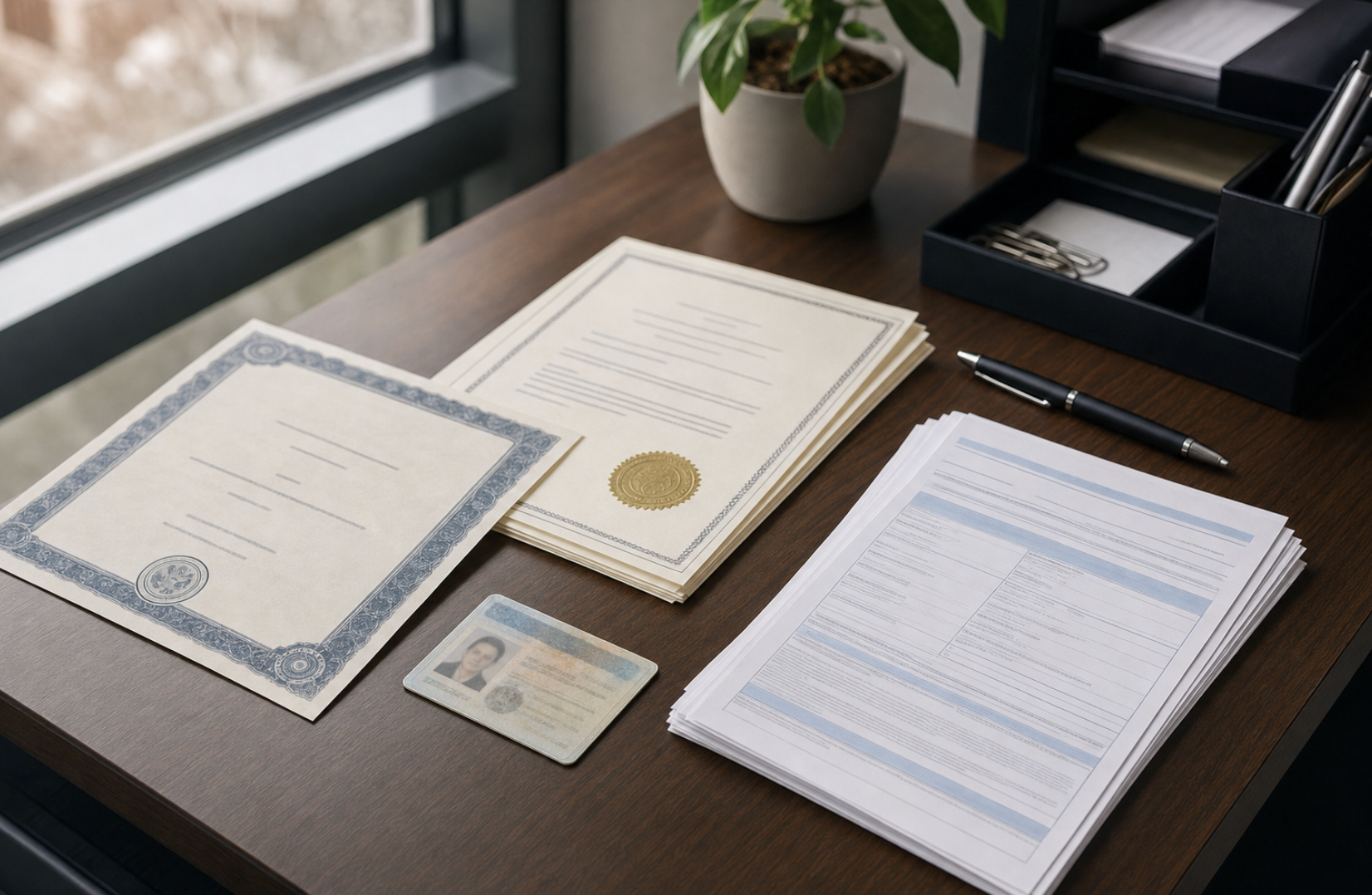
USPS requires proof of your legal authority, which typically comes in the form of letters testamentary (for executors) or letters of administration (for court-appointed administrators). These documents are issued by the probate court and confirm your official role.
Until you have this documentation, you can't formally request mail forwarding or stoppage for the deceased. Family members without legal appointment have no authority to manage someone else's mail, even after death. Opening mail sent to the deceased without proper authority is a federal offense, regardless of your relationship.
If you're waiting on a court appointment, secure the physical mailbox and collect mail without opening it until your legal authority is confirmed.
Mail Management Methods Comparison
| Method | Legal Requirements | Timeline | Best For | Limitations |
|---|---|---|---|---|
| USPS Mail Forwarding | Letters testamentary or letters of administration + death certificate | Starts in 7-10 days, lasts up to 12 months | Complete estate management and account discovery | Expires after one year; requires you to go into a Post Office location in-person |
| Deceased Do Not Contact List | Name, date of birth, last known residence; $3 fee | Takes effect within 3 months | Reducing marketing mail and junk catalogs | Doesn't stop first-class mail or important notices |
| Return to Sender | No legal authority needed | Immediate for each piece | Shared residences, or when you are not the executor | Manual process for each envelope; doesn't prevent future mail |
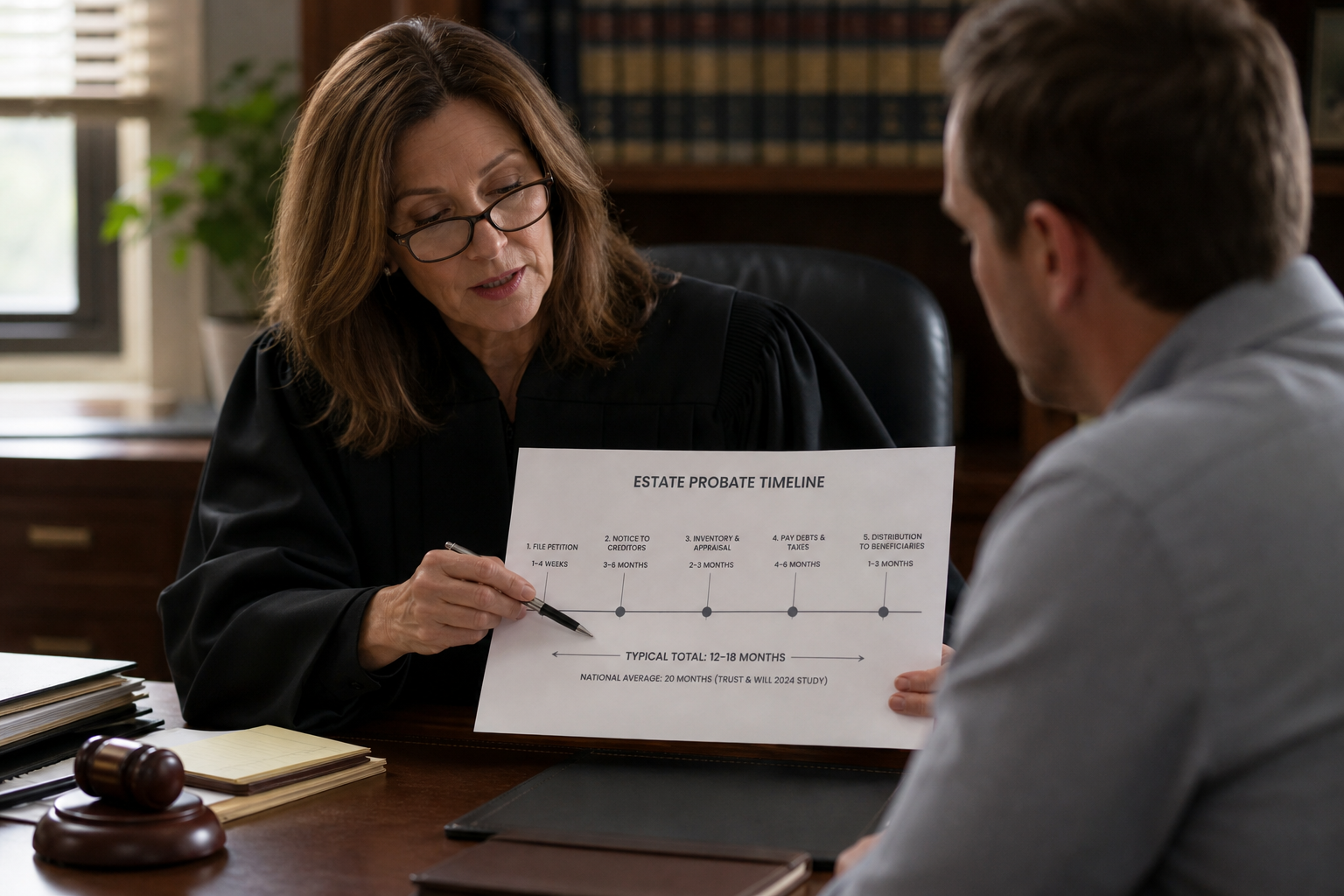
| Permanent Mail Stoppage | Court order confirming estate closure | After probate completion (typically 6-18 months) | Final step after all estate matters are resolved | Can only be done after the estate settlement is complete |
Step 1: Forward Mail to a Temporary Location
The first step, once you have legal authority, is to move the mail to a location you can monitor. Request a change of address with your local Post Office either in person.
Bring:
- Your letters testamentary or letters of administration
- A certified copy of the death certificate
A USPS clerk will review your documents and have you complete a paper form, directing the deceased person’s mail to your home or another secure place where you can review it.
Forwarding usually begins within 7 to 10 business days and can stay in place for up to one year. That year is often when key information surfaces: creditor notices, statements from overlooked bank or brokerage accounts, tax letters, benefit statements, and other obligations that affect how you administer the estate. Redirecting mail early helps you avoid missed deadlines, penalties, or service interruptions that complicate probate and estate accounting.
Step 2: Register with the Deceased Do Not Contact List
Next, reduce the volume of marketing and promotional mail so you can focus on important documents. Through DMAchoice’s Deceased Do Not Contact registration, you provide the deceased person’s name, last residence, and other identifying details, along with a small processing fee.
Once registered, the DDNC file is shared with subscribing companies and nonprofits and updated monthly, so promotional mail typically begins to drop within about three months. This list targets catalog mail, marketing offers, and fundraising appeals; it does not block first-class mail, government notices, or legal correspondence you are required to review as part of your fiduciary duty.
Continue mail forwarding during this period so you can still see bills, notices, and statements while the marketing mail gradually tapers off.
Step 3: Return Individual Mail Pieces to Sender
For individual items that clearly do not belong in the estate’s ongoing mail, especially in a shared home, you can handle them one by one.
- Write “Deceased, Return to Sender” in clear, dark ink near the label.
- Cross out any visible barcodes or routing marks so automated systems do not send it back to the same place.
- Place the envelope back in your mailbox or hand it directly to your mail carrier.
USPS will treat these pieces as undeliverable and send them back to the sender, prompting many organizations to update their records. If the same sender continues mailing to the deceased after several returns, call their customer service number and ask to have the deceased’s name removed from their list.
This approach works particularly well when multiple people still live in the home and you need to separate estate related mail from everyone else’s everyday correspondence.
Step 4: Request Permanent Mail Stoppage After the Estate is Closed
Once you close probate and distribute all assets, you can request permanent mail stoppage. Return to your local post office with the court order confirming estate closure. This document confirms that all legal matters have been resolved and that no further correspondence is necessary.
Submit a written request to discontinue service entirely for the deceased person's name at that location. USPS will mark the name as permanently inactive in their system, which stops delivery attempts for that individual without affecting service for other household members.
Without this final step, promotional mail and government notices can continue arriving for years. Marketers and agencies work from outdated databases that may not reflect the death for extended periods. Closing the loop with USPS after probate ends this cycle.
Why Stopping Mail Protects Against Identity Theft
Criminals scan obituaries to collect names, birth dates, and home locations, then use that information to open fraudulent accounts or file false returns. This practice, known as "ghosting," targets the deceased because theft often goes undetected for months while families focus on grief and logistics.
In 2018, approximately 800,000 deceased Americans had their identities stolen out of 2.5 million total identity theft victims. Unattended mail sitting in an unsecured mailbox provides everything a thief needs: account numbers, Social Security details, and pre-approved credit offers.
Forwarding mail immediately removes this vulnerability. You cut off access to sensitive documents before bad actors can intercept them. Registering with credit bureaus to freeze the deceased person's credit adds another layer of protection, but securing the mail stops the flow of information at its source.
Delays create risk. The longer the mail accumulates unmonitored, the greater the estate's exposure to financial fraud that can take years to resolve.
Common Challenges When Managing Mail for the Deceased
Post office staff may not recognize letters testamentary or understand their role in authorizing mail changes. If you encounter resistance, ask to speak with the postmaster. Bring multiple copies of your court documents, along with a printed copy of the USPS policy on mail for deceased persons.
Mail forwarding expires after 12 months, but estate settlement often takes longer. You can file a renewal request near the end of the first year, though USPS doesn't always approve extensions. Some executors file a personal forwarding order to have the deceased's name forwarded to their own address as a workaround.
Shared residences create confusion when trying to stop mail for one person without affecting others. USPS systems sometimes struggle to distinguish between household members with similar names. Be specific on all forms, and follow up if mail continues arriving incorrectly.
What to Do If You're Not the Executor
You can collect and secure mail, but you can't open anything sent to the deceased or request official changes through USPS. That requires the executor's legal authority.
What you can do is mark unopened envelopes "Deceased, Return to Sender" and return them to the mailbox. This protects the estate from missed notices while staying within legal boundaries. Keep a log of what arrives so you can inform the executor about active accounts or creditor claims.
If you're a surviving spouse living at the same residence, you still need the executor's permission before redirecting mail or opening correspondence that doesn't include your name. Coordinate directly with the appointed person to forward important pieces to them.
New homeowners receiving mail for previous deceased owners should contact the executor, if known, or simply return all pieces to the sender.
How Alix Handles Mail Management as Part of Estate Settlement
Mail forwarding is one of the first steps we take after receiving Letters of Administration when you work with Alix. We handle the USPS setup, secure your physical mailbox, and start collecting everything that arrives. That incoming mail becomes a discovery tool. Forgotten bank statements, creditor notices, and subscription bills reveal accounts and obligations you might not know existed.
We sort through each piece to identify what matters, digitize important documents into your secure vault, and track down every asset or claim. Registration with the deceased do not contact list, returning individual pieces to sender, and closing mail service after probate all happen as part of the process.
Alix handles 100+ estate settlement responsibilities, and mail management is just one layer of fraud protection and administrative work we remove from your plate. While you focus on family and grieving, we execute the legal and financial details that estates require.
Forwarding mail protects the estate, but it does not resolve the work behind it. An estate settlement company can manage records, institutions, creditors, property, taxes, and closing tasks together.
Final Thoughts on Stopping USPS Mail for the Deceased
How to stop deceased mail through USPS becomes straightforward once you understand the legal requirements and the documents you need. Forward mail early to catch creditor claims and forgotten accounts, register with the deceased do not contact list to reduce junk volume, and close service permanently after probate ends. These steps protect the estate and limit your exposure to fraud during a period when everything feels chaotic. Talk to us about managing mail and handling the other settlement responsibilities simultaneously.
FAQs
How long does mail forwarding last for a deceased person?
USPS mail forwarding lasts up to one year from the start date, which typically begins 7-10 business days after you submit your request at the post office. If estate settlement takes longer, you can request a renewal near the end of the first year, though approval isn't guaranteed.
Can I open the deceased's mail if I'm their spouse?
No, you cannot legally open mail sent only to the deceased without proper legal authority, even as a spouse. You need letters testamentary or letters of administration from the probate court before opening or redirecting someone else's mail, and opening it without this documentation is a federal offense.
What's the difference between USPS mail forwarding and the deceased do-not-contact list?
USPS mail forwarding redirects all incoming mail to your chosen location for up to 1 year, while the deceased do not contact list (DDNC) directly targets commercial marketing mail, such as catalogs and credit card offers. Forwarding gives you immediate control over important notices and bills, while DDNC reduces promotional volume over time but won't stop first-class correspondence.
How does stopping mail prevent identity theft?
Criminals use information from obituaries to steal identities through the mail. Account numbers, Social Security details, and pre-approved credit offers all arrive by mail and provide everything needed to open fraudulent accounts. Forwarding mail immediately removes this vulnerability by cutting off access to sensitive documents before thieves can intercept them from an unsecured mailbox.
What should I do if the post office won't accept my legal documents?
Ask to speak with the postmaster directly and bring multiple copies of your letters testamentary or letters of administration, along with a printed copy of USPS policy on mail for deceased persons from their official website. Some postal staff may not recognize these court documents or understand their authority, but the postmaster should be familiar with the proper procedures.
.png)
Related resources