15 Meaningful Eulogy Examples for Writing the Perfect Tribute (April 2026)
Being asked to give a eulogy is an honor and a heavy responsibility at the same time. You want to say something that sounds like the person you loved, not a speech that could belong to anyone. Real eulogy examples give you a starting point when the blank page feels impossible. They show how other folks have balanced stories, length, and tone so you can adapt what works, swap in true details, and focus on delivering words that feel honest instead of perfect.
Key Takeaways:
- Eulogies run 3-10 minutes and work best when built around specific stories instead of generic traits.
- Strong eulogies balance tone with the person's character: humor works when it fits who they were.
- Start with one example close to your relationship, then swap in real details only your family knows.
Eulogy Examples by Relationship and Tone
Below are 15 distinct eulogy examples organized by relationship. Each one shows a different approach to honoring someone's memory.
Eulogy Examples for a Father
From a Daughter (Emotional)
"My dad never said 'I love you' without also showing it. He showed it at 6 a.m. driving me to swim practice. He showed it in the way he laughed at his own jokes before finishing them. He showed it by showing up, every single time. Dad, I hope wherever you are, you know it was never lost on me."
From a Son (Formal/Reflective)
"My father built things. Furniture, yes, but also a marriage that lasted 44 years, a household where hard work was expected, and a family that knew exactly what it stood for. He wasn't a man of many words. But the ones he chose landed."
Short Eulogy for Father (Humorous)
"Dad had three great loves: college football, bad puns, and my mother, in whatever order the day required. He once told me the secret to a good life was a firm handshake and knowing when to be quiet. I'm still working on that second one."
Eulogy Examples for a Mother
From a Daughter (Warm/Reflective)
"My mom had a way of making ordinary moments feel important. Sunday dinners, folding laundry together, her hand on my shoulder before a hard day. She never needed a grand gesture to show love. She just wove it into everything. I carry her in the small things now, and I think that's exactly what she intended."
From a Son (Emotional)
"She was the first person I ever called when something good happened, and the first when something didn't. My mother listened without judgment and loved without conditions. The world got quieter the day she left it. But she raised me to keep going, so I will."
Honoring a Mother Who Battled Illness
"Mom fought longer and harder than any of us thought possible. Not because she was afraid, but because she wasn't done loving us yet. Even at the end, she asked how we were doing. That was her. Always more concerned with others than herself. Her strength wasn't in surviving alone. It was in who she remained through all of it."
Short Eulogy Examples for Various Relationships
A good eulogy typically runs 3 to 5 minutes, though some services allow up to 10. When multiple speakers are sharing time, shorter is often more powerful. These examples keep it tight without losing heart.
For a Grandparent
"Grandma kept a garden and a full cookie jar, always in that order. She believed in feeding people as a way of saying she loved them. We never left her house hungry, or unloved."
For a Sibling
"My sister knew me before I knew myself. She kept my secrets, called out my nonsense, and cheered the loudest at everything I did. Losing her feels like losing a part of my own story."
For a Friend
"He was the kind of friend who picked up on the third ring, no matter the time. Loyal, hilarious, and completely without pretense. I didn't know how rare that was until now."
Celebration of Life Eulogy Examples
Celebration of life services have shifted how families say goodbye. About 53% of respondents to a 2023 survey had attended a service at a location such as a park, beach, bar, or museum, reflecting how personal these gatherings have become. The tone is different here. Less somber, more story-driven.
For a Friend
"Jamie didn't do anything halfway. If she loved something, she was all in. She planned the best trips, made the best playlists, and gave the best speeches at every wedding she attended. Today is hers. And she would have loved every minute of it."
For a Parent
"Dad wanted a party, not a funeral. So here we are, with his favorite playlist on and his favorite people in the same room. He spent his whole life collecting good moments. We're just living one more of them."
For a Life Well Lived
"She traveled to 34 countries, grew her own tomatoes, and never once turned down a dance. She didn't slow down. She just eventually stopped, which is about as on-brand as it gets."
Eulogy Examples for a Spouse or Partner
Speaking about a life partner is unlike any other eulogy. You're remembering a person while also describing the shape of your own life around them.
After a Long Illness
"She fought with everything she had, and she did it gracefully. We had more time to say what needed saying, and I'm grateful for that. Loving her was the best thing I ever did."
Humorous Eulogy Examples
Humor in a eulogy isn't disrespectful. For the right person, it's the most honest tribute you can give.
For a Parent with Humor
"Dad gave advice constantly, most of it unsolicited, all of it eventually right. He's the only person I've ever known who could say 'I told you so' with genuine warmth. We're going to miss that."
For a Friend with Humor
"Mark showed up to help me move with one hand truck and zero upper body strength. He stayed four hours, moved approximately one box, and talked the entire time. It was the most useless and most loving thing anyone's ever done for me."
The key is grounding humor in specific, real details. Generic jokes fall flat. Funny stories about actual quirks land every time.
How to Write Your Own Eulogy Using Examples

The examples above aren't meant to be copied. They're meant to be cracked open. Look at what makes each one work: a specific detail, a repeated phrase, a tone that fits the person being remembered. That's what you're borrowing, not the words themselves.
Start by picking one example that feels closest in relationship and tone. Then swap in real details: the actual hobby, the real catchphrase, the specific moment only your family would recognize. Those specifics are what make a eulogy land.
For another simple breakdown of structure and flow, this overview of how to write a eulogy walks through length, tone, and basic formatting in plain language.
A few practical steps:
- Ask family members for one memory or one word they'd use to describe the person
- Write a rough draft without worrying about length or polish
- Read it out loud and notice where your voice catches or where it flows
- Cut anything that sounds like it could apply to anyone else
Delivery matters too. Practice at least twice before the service. Bring a printed copy, even if you plan to memorize it.
Structure and Length Guidelines for Eulogies
Most eulogies run five to ten minutes when delivered aloud, which works out to roughly 750 to 1,000 written words. That range gives you enough room to say something meaningful without losing the room.
Length should flex based on your service. If three people are speaking, aim for the shorter end. Solo speaker at a small gathering? You have more space. When in doubt, shorter is safer. A tight five minutes is more memorable than a meandering ten.
A simple structure that works:
- Opening: one grounding detail or memory that puts the audience in a specific moment with the person you're honoring
- Middle: two or three stories or qualities, not a full life summary
- Close: a direct farewell or a final line that sounds like the person
Core Elements Every Eulogy Should Include
Every strong eulogy shares a few core components, regardless of relationship or tone.
- Who you are and how you knew them (brief, one to two sentences)
- One or two specific stories that reveal character, beyond biography
- Something about their effect on the people around them
- A closing line that feels like a farewell, not a summary
The balance between biography and storytelling matters. Listing achievements tells people what someone did. Stories show who they actually were. Aim for more of the latter.
One reliable test: if a detail could apply to anyone, cut it. If it could only apply to them, keep it.
Common Mistakes to Avoid When Writing a Eulogy
Even a heartfelt eulogy can stumble if a few common traps aren't avoided.
- Running too long: aim for five minutes, not fifteen. Grief doesn't require exhaustion.
- Being too vague: "she was kind and generous" means nothing without a story behind it. Specifics do the work.
- Misreading the room with humor: funny works when it fits the person. When it doesn't, it lands wrong. Know your audience.
- Trying to cover everything: a eulogy isn't a biography. Pick two or three moments and go deep instead of broad.
- Skipping practice: reading aloud before the service is the single most useful thing you can do. You'll find where you stumble, and you'll be steadier when it counts.
What Comes After the Service
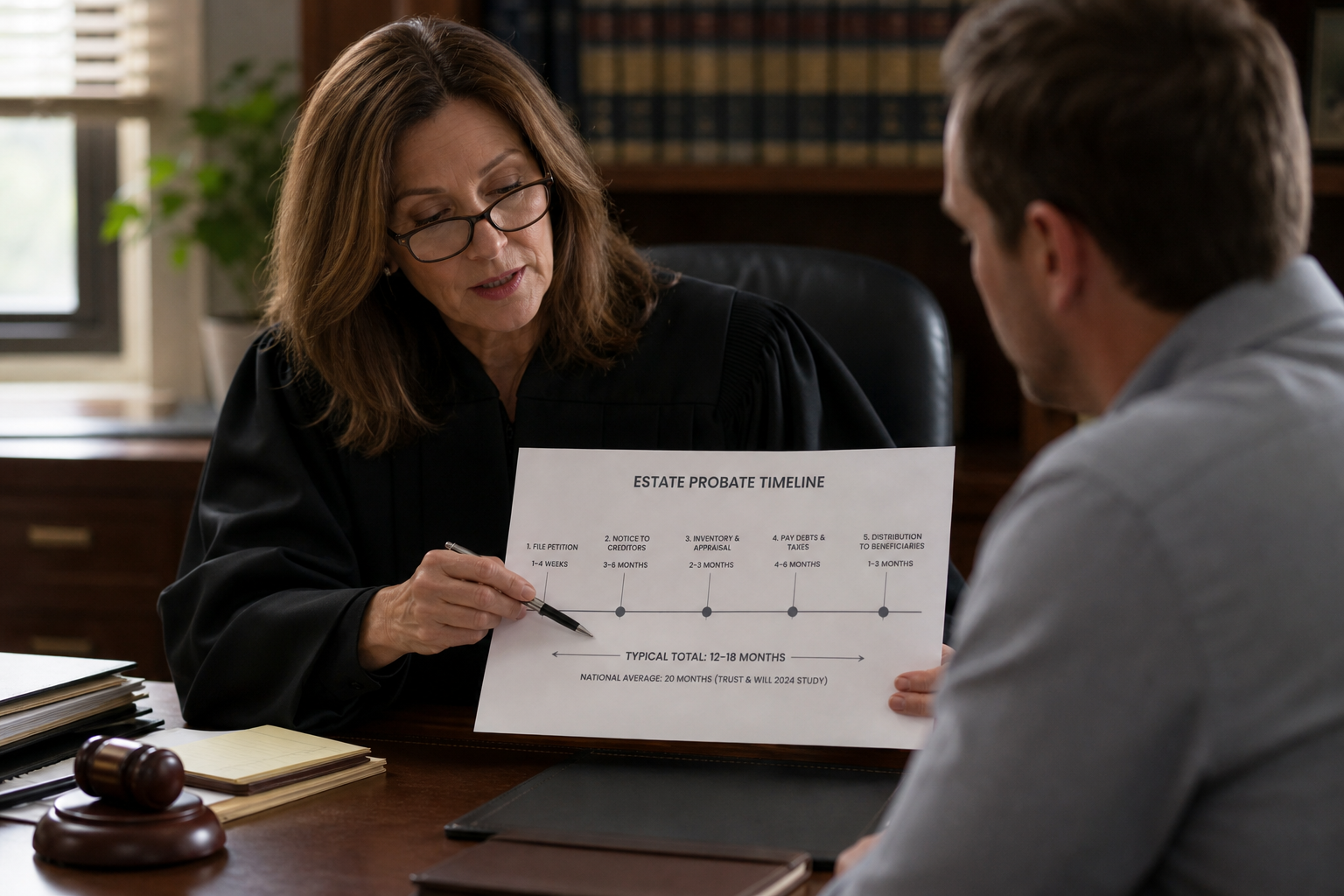
Once the eulogy is delivered and the service ends, the administrative work of settling an estate begins. For most families, it's the first time they've had to manage probate filings, asset transfers, and creditor claims on top of their grief. Understanding executor responsibilities can help you prepare for what lies ahead. Alix handles that side of things so families can stay focused on what matters most.
Why Use Alix After the Service
Writing and delivering a eulogy is one part of saying goodbye; settling everything that comes after is a different kind of work. As the executor or the person handling affairs, you are suddenly responsible for probate filings, account transfers, creditor deadlines, and tax returns that can stretch on for 18 months. That is often 600+ hours of administrative work on top of everything you are already carrying.
Alix steps in after the service to take that burden off your plate. Our team handles probate across all 50 states, sorts and digitizes documents, identifies overlooked accounts, implements fraud protection, and coordinates tax work with CPAs under a transparent estate‑funded fee. You keep control of decisions, while we take care of the heavy lifting, so you are not trying to juggle legal and financial tasks at the same time you are grieving and remembering.
Final Thoughts on Saying Goodbye Well
Using short eulogy examples as a starting point helps you figure out what tone fits and what stories actually matter, because you're not building from scratch when you're already carrying grief. Pick the example closest to your relationship, replace the generic details with real ones only your family would recognize, and practice reading it out loud so you know where your voice will catch. Five minutes is plenty, three is sometimes better, and specifics always beat summaries.
If you want the work that comes after the service handled with the same care you put into the eulogy, talk to an expert at Alix and start the onboarding flow.
FAQs
How long should a eulogy be when other people are also speaking?
When multiple people are sharing time at a service, aim for 3 to 5 minutes, which is roughly 500 to 750 words. A focused, shorter eulogy is more memorable than one that runs too long and loses emotional impact.
What's the difference between a traditional eulogy and a celebration of life speech?
Traditional eulogies tend to be more formal and reflective, while celebration-of-life speeches lean into storytelling and a warmer tone. The latter often includes humor and specific anecdotes that capture how someone lived, beyond the fact that they're gone.
Should I include humor in a eulogy if the person had a good sense of humor?
Yes, if humor fits who they were. The key is grounding it in real, specific stories instead of generic jokes. A funny story about an actual quirk or habit will land well when it authentically reflects their personality.
What are the most important elements to include in any eulogy?
Every strong eulogy should include who you are and your relationship to the person, one or two specific stories that reveal character, something about their impact on others, and a closing line that feels like a direct farewell instead of a summary.
How can Alix help after the funeral service?
Alix handles the legal and administrative work of estate settlement so families don't have to manage probate, creditor claims, and asset transfers on their own during an already difficult time.
.png)
Related resources