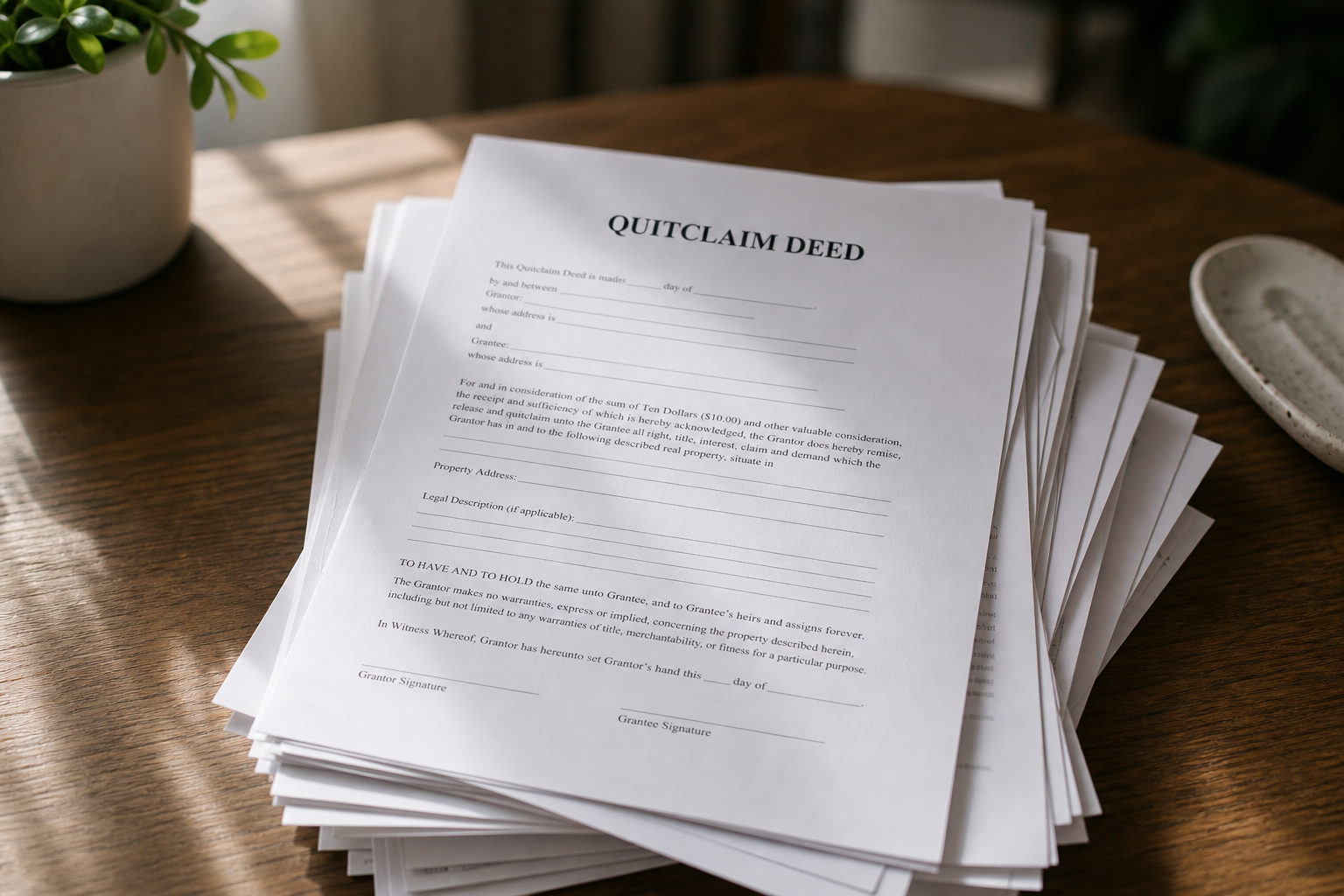
When Is Probate Necessary? A Complete Guide for March 2026
Everyone asks the same question, but few give you a straight answer: Does this estate actually have to go through probate? This guide walks through how those rules work in practice so you can see, step by step, which path applies to your situation.
Everyone asks the same question, but few give you a straight answer: Does this estate actually have to go through probate? Whether probate is required comes down to state rules about value thresholds, asset titles, and deadlines that most people only learn after they are already the executor. Some estates qualify for a simple small‑estate process, while others trigger full court oversight even when they look modest on paper. This guide walks through how those rules work in practice so you can see, step by step, which path applies to your situation.
Key Takeaways
- Probate validates wills and grants legal authority to executors, but isn't required if estates fall below state thresholds ranging from $10,000 to $275,000
- Assets with beneficiary designations, joint ownership, or trust titles bypass probate entirely
- Missing probate filing deadlines freeze assets indefinitely and may expose executors to personal liability for unpaid debts
- California, Texas, and Florida offer simplified procedures for smaller estates under specific value thresholds
- Alix manages probate filings and asset transfers across all 50 states, cutting the executor's time by 95%
What Is Probate and When Is It Required
Probate is the court-supervised legal process that transfers a deceased person's assets to their rightful heirs or beneficiaries. When someone dies, their property doesn't automatically move to the next generation. The court verifies the will (if one exists), appoints an estate administrator (executor), and distributes assets according to the will or intestate law.
The probate process validates the will and confirms the executor's authority to act. It gives creditors a chance to file claims and provides legal protection for executors following court orders.
Not every estate requires probate. Whether you need it depends on the estate's total value, how assets were titled, and your state's specific laws.
How Estate Value Determines Probate Necessity
Most states set dollar thresholds that determine whether full probate is required. Estates below these limits can often use a simplified small estate affidavit instead of formal court proceedings.
Thresholds vary widely by state. Oregon sets the highest limit at $275,000, while New Hampshire requires probate for estates exceeding just $10,000. Texas allows simplified procedures for estates valued at $75,000 or less, and California's threshold is $208,850.
Only assets owned solely in the deceased's name count toward this limit, though in some cases specific assets, such as the primary residence, are excluded. Joint accounts with survivorship rights, beneficiary-designated accounts like retirement plans and life insurance, and assets in trusts typically pass outside probate and don't factor into the calculation.
State-Specific Probate Thresholds You Need to Know
Each state sets its own probate threshold, which determines whether a full court process is required or if a simplified procedure will work. Here's what you need to know for the states most commonly searched.
The distinction between real property (land and buildings) and personal property (bank accounts, vehicles, possessions) matters. Pennsylvania and several other states require probate for any real estate owned solely by the deceased, even if the total estate value falls below the threshold.
When Probate Is Necessary Even With a Valid Will
A will doesn't bypass probate. The court must validate the will and grant your executor legal authority to act. Without court approval, banks won't release funds, title companies won't transfer property, and your executor has no legal standing to distribute assets.
Probate becomes required when assets are titled solely in the deceased's name, and the estate value exceeds your state's small estate threshold. This includes real estate, vehicles without transfer-on-death designations, bank accounts without payable-on-death beneficiaries, and investment accounts held individually.
Even a carefully drafted will won't bypass probate unless you've also retitled assets into a trust or added beneficiary designations.
When Probate Is Not Necessary After Death
Probate isn't always required. Several scenarios allow estates to skip court proceedings, saving time and legal fees.
Small estate affidavits work when the total value falls below your state's threshold. You file a simple form with the court or present it directly to financial institutions.
Property owned jointly with rights of survivorship transfers automatically to the surviving owner. This includes jointly held bank accounts, real estate titled as joint tenants, and vehicles with co-owners.
Assets with named beneficiaries bypass probate entirely. Life insurance policies, retirement accounts, payable-on-death bank accounts, and transfer-on-death investment accounts go directly to beneficiaries.
Trust-held assets avoid probate because the trust, not the deceased, owns them.
Filing Deadlines for Probate by State
Filing deadlines vary widely by state. Some jurisdictions set strict timelines, while others offer more flexibility.
California requires filing within 30 days of finding the will or receiving notice of appointment. Texas allows up to four years from the date of death. Most states fall between these extremes, with 30 to 90 days being typical.
Missing deadlines rarely prevent probate altogether, but delays cause problems. Creditors may file claims without opposition, assets remain vulnerable to fraud or loss, and beneficiaries wait longer for their inheritances.
Consequences of Not Filing Probate
Skipping probate when required freezes assets indefinitely. Bank accounts remain inaccessible, property can't be sold, and titles stay locked in the deceased's name. Many assets may eventually be escheated to the State.
Executors who distribute assets before creditor claim periods end may face personal liability for unpaid debts. Without proper probate, you risk paying estate obligations from your own pocket.
Court oversight provides structure for resolving family disputes about asset distribution. Without it, disagreements escalate into costly litigation that damages relationships.
Missing state filing deadlines carries serious consequences. Texas's four-year statute of limitations means late filings trigger intestacy rules, disregarding the deceased's documented wishes in their will.
Assets That Bypass Probate Entirely
Several asset types can be transferred directly to beneficiaries without court involvement. Life insurance policies pay death benefits to named beneficiaries regardless of what the will says. Retirement accounts like IRAs and 401(k)s follow beneficiary designations on file with the custodian.
Payable-on-death bank accounts and transfer-on-death brokerage accounts move immediately to designated recipients. The surviving account holder of jointly owned property with survivorship rights automatically takes full ownership.
Revocable living trusts hold assets outside your personal estate and transfer them according to the trust's terms. Beneficiary designations override will instructions, making regular updates necessary after major life events like marriage, divorce, or the birth of children.
Using Trusts to Avoid Probate
Revocable living trusts transfer control to a successor trustee at death, allowing asset distribution without court oversight. You retain full authority to modify terms or dissolve the trust while alive. Irrevocable trusts permanently remove assets from your estate and may offer tax benefits, but they cannot be amended after creation.
Testamentary trusts created through wills still require probate before activation, offering no bypass advantage. All trusts only work if properly funded by retitling assets into trust name. Assets held personally will still require probate.
The Role of Executors and Administrators in Probate
Executors are named in wills. Administrators serve the same role when no will exists; they are appointed by the court instead. Both receive letters from the court granting legal authority to act on behalf of the estate.
Personal Representatives and Executors inventory all assets, notify creditors, file tax returns, pay valid debts, and distribute remaining property to beneficiaries. They manage estate bank accounts, sell property when needed, and maintain detailed records of every transaction.
This role carries fiduciary duty and personal liability. Distributing assets before creditor claim periods expire can make you personally responsible for unpaid debts. Mismanaging estate funds or failing to follow state procedures exposes you to lawsuits from beneficiaries or creditors.
Simplifying Estate Settlement With Professional Guidance
Whether probate is required depends on your state's laws and the specifics of the estate. Alix starts by reviewing assets and legal requirements to identify the right approach, managing the full process through attorneys in all 50 states when needed.
Our asset discovery service locates accounts families didn't know existed (found in over half of cases), while our physical box and digital vault organize documents into a protected, searchable record. We coordinate court filings, creditor notifications, tax work with CPAs, and beneficiary distributions, taking on the work that typically takes executors over 600+ hours over 1.5 years to complete.
Final Thoughts on Estate Settlement and Probate
Determining whether probate is necessary requires understanding your state's laws, asset ownership structures, and estate value calculations. Alix starts by reviewing what you have and determining the right approach, then manages the full process with estate attorneys across all 50 states. We coordinate court proceedings, creditor claims, tax filings, and distributions while our asset discovery finds hidden accounts in over half of cases.
Talk to an estate settlement expert at Alix to determine whether probate is required in your situation, and start the onboarding flow.
FAQs
How long do you have to file probate after someone dies?
Filing deadlines vary by state, ranging from 30 days in California to four years in Texas, with most states falling between 30 and 90 days. Missing these deadlines rarely prevents filing, but can leave assets vulnerable and complicate creditor claims.
Does having a will mean you can skip probate?
No, a will doesn't bypass probate. The court must validate the will and grant your executor legal authority to access accounts, transfer property, and settle debts, even when the will is valid and clear.
What happens if no one files probate for an estate?
Assets remain frozen indefinitely: bank accounts stay inaccessible, property can't be sold, and titles remain locked. Executors who distribute assets without proper court proceedings may face personal liability for unpaid estate debts.
When can you avoid probate entirely?
You can skip probate when the estate value falls below your state's threshold, when assets have beneficiary designations (like life insurance or retirement accounts), when property is jointly owned with survivorship rights, or when assets are held in trust.
Can you be held personally liable as an executor?
Yes, executors face personal liability if they distribute assets before creditor claim periods expire or mismanage estate funds. Court oversight through probate provides legal protection when you follow proper procedures and timelines.
.png)
Related resources