Your mom mentioned she's thinking about a transfer-on-death deed for the family home, and you're trying to figure out if that's a good move. The appeal is obvious: no probate, no trust fees, and she can still sell or refinance if needed. But TOD deeds come with real limitations around creditor claims, beneficiary disputes, and title insurance that most people don't realize until after death. This is the full breakdown of what works, what doesn't, and which situations call for a different estate planning tool entirely.
Key Takeaways:
- Transfer-on-death deeds let you name a beneficiary to inherit real estate outside probate.
- 33 states allow TOD deeds; what matters is where the property is located, not where you live.
- You retain full control to sell, refinance, or revoke the deed while alive.
- TOD deeds don't protect property from creditors or handle incapacity like trusts do.
- Alix handles estate settlement in its entirety, including asset discovery and tax filings.
What Is a Transfer on Death Deed

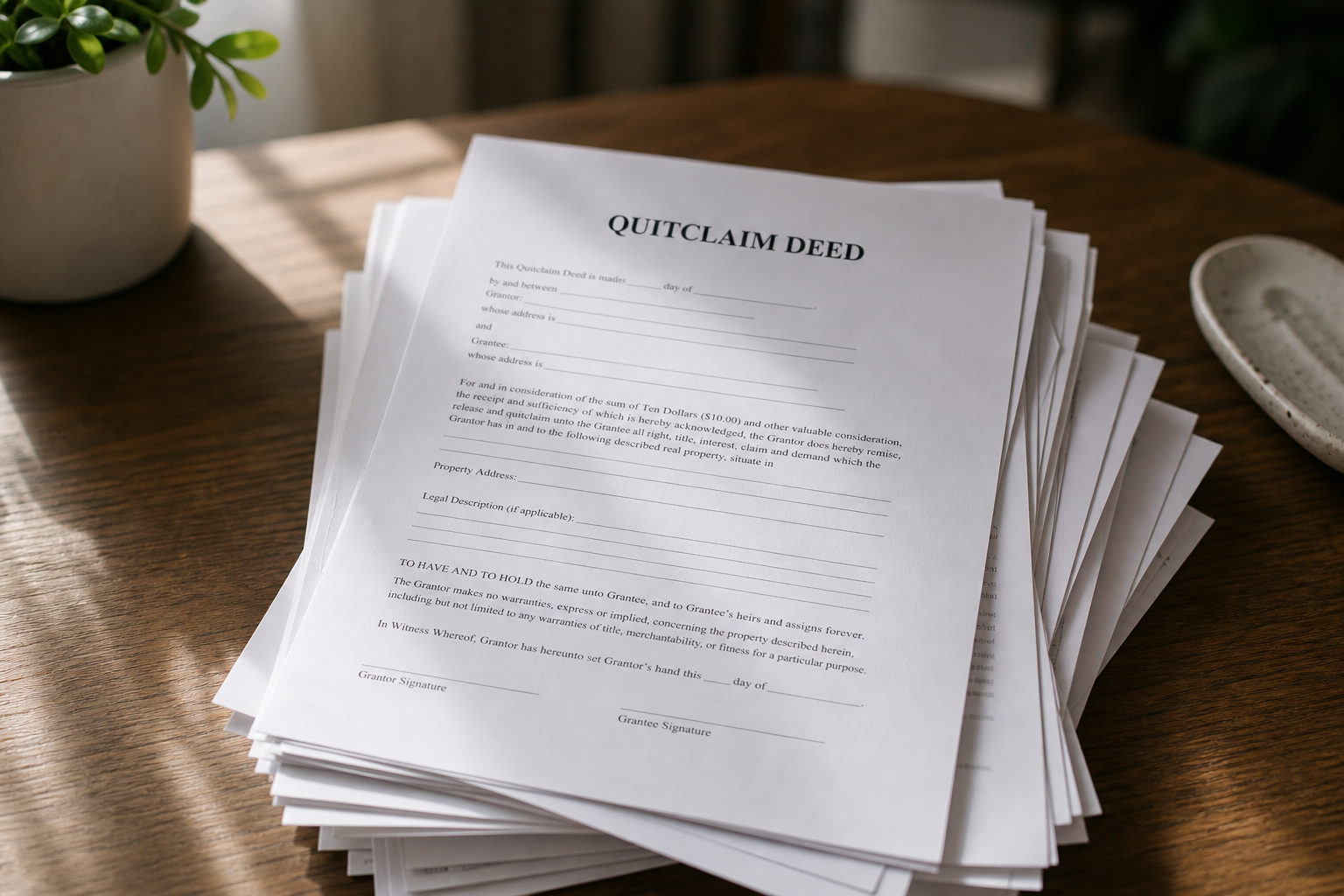
A transfer-on-death deed (often called a TOD or beneficiary deed) is a legal document that lets property owners name a beneficiary to inherit real estate automatically upon their death. No court involvement, no probate, no waiting. The property transfers directly.
Think of it as a beneficiary designation for your home, similar to naming someone on a life insurance policy or a retirement account. You retain full ownership and control while you're alive. You can sell, refinance, or change your mind entirely. The beneficiary has no rights to the property until the moment of your death.
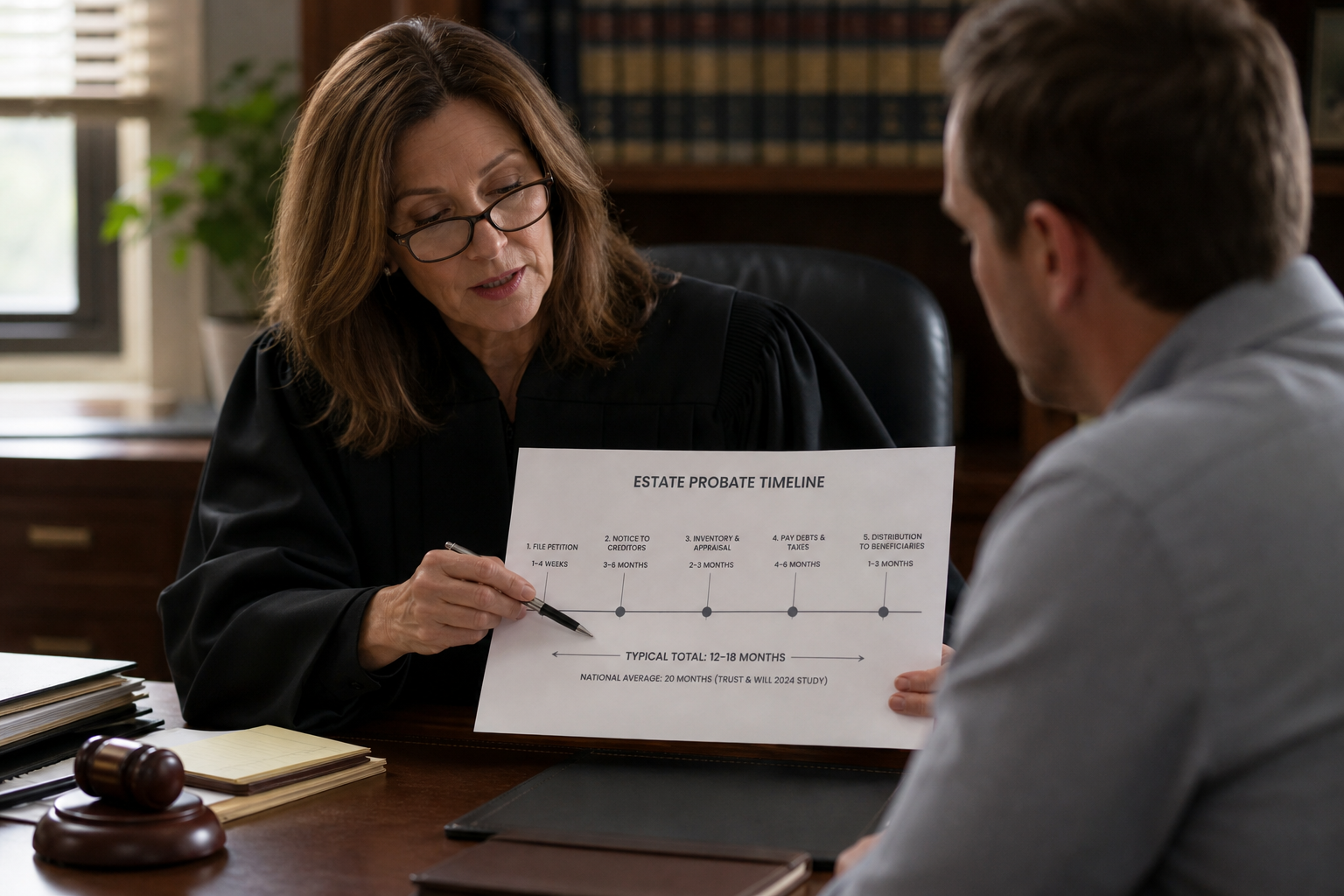
Once you pass, the named beneficiary records a copy of the deed along with your death certificate, and the property is theirs. The process bypasses probate court entirely, saving your family months of time and substantial legal costs.
States That Allow Transfer on Death Deeds
Not every state allows TOD deeds, and one detail trips people up: what matters is where the property is located, not where you live. If your home is in Texas but you live in Florida, Texas law governs whether a TOD deed is an option.
Currently, 33 jurisdictions allow transfer on death deeds, including Washington D.C., New York, and Georgia joined the list in 2024, which expanded access for millions of property owners.[^1]
States That Allow TOD Deeds
| Region | States |
|---|---|
| West | Alaska, Arizona, California, Colorado, Hawaii, Montana, Nevada, New Mexico, Oregon, Washington, Wyoming |
| Midwest | Illinois, Indiana, Kansas, Minnesota, Missouri, Nebraska, North Dakota, Ohio, South Dakota, Wisconsin |
| South | Arkansas, Georgia, Oklahoma, Texas, Virginia, West Virginia |
| Northeast | New York |
| Other | Washington D.C., New Mexico |
States without TOD deed laws include Florida, Massachusetts, and a handful of others. Florida uses a different tool called a Lady Bird deed (more on that later), which achieves a similar outcome through a different legal structure.
How Transfer on Death Deeds Work
Creating a TOD deed is straightforward, but the details matter. A small error in execution can render the deed invalid in its entirety.
There are two distinct phases to understand: what happens during the owner's lifetime, and what the beneficiary must do after the owner dies.
Creating the Deed
- Complete the state-specific form with the property's legal description and the beneficiary's full name
- Sign in front of a notary (some states also require witnesses)
- Record the deed with your county recorder's office while you're still alive, as an unrecorded deed has no legal effect
After the Owner Dies
The beneficiary cannot simply move in. They must record an affidavit of survivorship and a certified copy of the death certificate with the county. Only then does the title transfer. Until that filing happens, the property legally remains part of the estate.
Transfer on Death Deed vs. Living Trust vs. Will
All three tools can transfer real estate to the next generation. What separates them is cost, complexity, and what else they cover.
| Factor | TOD Deed | Living Trust | Will |
|---|---|---|---|
| Avoids probate | Yes | Yes | No |
| Covers all assets | No | Yes | Yes |
| Upfront cost | Low | High | Low-moderate |
| Ongoing maintenance | Minimal | Required | Minimal |
| Handles incapacity | No | Yes | No |
A TOD deed is a single-property fix. A living trust is a full estate plan. A will covers everything but sends your estate through probate court.
If your main goal is keeping the house out of probate without paying trust setup fees, a TOD deed does that well. But if your estate includes multiple assets, blended family dynamics, or a minor beneficiary, a living trust offers more control. Wills guarantee a court process for real estate.
Advantages of Transfer on Death Deeds
Transfer-on-death deeds earn their popularity for good reason. For owners with straightforward situations, they offer real benefits with minimal setup.
- Probate avoidance: Skipping probate can save families $3,000 to $10,000+ in court fees and attorney costs, plus months of waiting.
- Retained control: You own the property outright during your lifetime with full rights to sell, refinance, or change beneficiaries.
- Revocability: Record a revocation or a new deed, and the prior one is void.
- Stepped-up cost basis: Beneficiaries inherit the property at its fair market value on the date of death, which reduces capital gains exposure if they sell.
- Simple execution: No trust attorney required, no ongoing administration, no court filings while you're alive.
Problems With Transfer on Death Deeds
TOD deeds have real limitations worth knowing before you sign anything.
- Creditor exposure: Unlike a trust, a TOD deed doesn't shield property from the deceased's creditors. The estate may need to use the property to settle debts before the beneficiary can claim it.
- Multiple beneficiary disputes: When you name co-beneficiaries, disagreements over selling, keeping, or managing the property are common and sometimes costly to resolve.
- No conditional transfers: You can't attach strings. If you want to leave the house to a child only after they turn 30, or only if they're still married, a TOD deed won't do that.
- Title company hesitations: Some title companies are reluctant to insure property transferred by a TOD deed, which can complicate a future sale.
- Conflicts with other documents: A TOD deed can conflict with your will or trust if it's not carefully coordinated. The deed typically controls for that specific property, which may not be what you intended.
- No incapacity coverage: If you become incapacitated before death, the deed does nothing to help manage the property. A trust handles that gap.
For complex estates, these limitations add up fast.
Lady Bird Deeds and Enhanced Life Estate Deeds
Five states offer a specialized variation called a Lady Bird deed (formally, an enhanced life estate deed): Florida, Michigan, Texas, Vermont, and West Virginia.
Standard life estate deeds require beneficiary consent to sell or refinance. Lady Bird deeds remove that friction entirely. The owner retains "enhanced" rights, meaning you can sell, mortgage, or transfer the property without the beneficiary's signature or approval. The beneficiary's interest only materializes at death, and only if you haven't already disposed of the property.
In Florida and a few other states, Lady Bird deeds carry a meaningful Medicaid planning advantage. Because the owner retains such broad control, the property may not count as a transferred asset for Medicaid eligibility purposes, potentially avoiding estate recovery claims after death. Medicaid rules shift frequently, so confirming current state law with an attorney before relying on this strategy is worth the cost.
How to Create a Transfer on Death Deed
The process varies by state, but the core steps remain the same. Where people go wrong is in the small execution details.
Steps to Complete a TOD Deed
- Get the exact legal description of your property from your current deed or county records. A street address alone will not satisfy legal requirements.
- Download the correct state-specific form. Generic templates pulled from random websites often fail to meet local recording requirements.
- Name a specific person, not a class. "My children" is vague. Use full legal names.
- Name an alternate beneficiary in case your primary beneficiary predeceases you.
- Sign before a notary, and witnesses if your state requires them.
- Record the deed with your county recorder's office before you die. An unrecorded deed is legally meaningless.
Common Mistakes to Avoid
- Using an outdated form. Texas, for example, updated its statutory form in 2023.
- Forgetting to update the deed after a divorce or a beneficiary's death.
- Assuming recording is optional. It is not.
When Transfer on Death Deeds May Not Be the Right Choice
Transfer-on-death deeds work well in simple scenarios. They get complicated fast in everything else.
A few situations where a trust or other structure is the better call:
- Minor beneficiaries: A child can't legally hold title, so the property is placed in a court-supervised guardianship until they reach adulthood.
- Disabled beneficiaries on Medicaid or SSI: Inheriting property outright can disqualify them from government benefits. A special needs trust preserves eligibility.
- Blended families: When there are stepchildren, multiple marriages, or competing family interests, a deed without conditions invites disputes.
- Properties with large mortgages: The beneficiary inherits the debt along with the deed. If they can't qualify to refinance, their options are limited.
- When you want conditions: Leaving property only if a beneficiary survives you by 90 days, or for a specific use, requires trust language that a deed can't carry.
- Multi-property estates: Coordinating multiple TOD deeds across different states can be unwieldy. A trust holds everything in a single document.
If any of these apply, the setup savings of a TOD deed are likely outweighed by the complications it leaves behind.
Tax Implications of Transfer on Death Deeds
Three tax questions come up repeatedly with TOD deeds, and the answers are worth understanding before you record anything.
Beneficiaries receive a stepped-up cost basis equal to the property's fair market value on the date of death. If a home was purchased for $200,000 and is worth $600,000 at death, the beneficiary's basis becomes $600,000. Selling shortly after inheriting typically triggers little to no capital gains tax.
The transfer itself does not trigger the federal gift tax. Because you retain full ownership until death, the IRS does not treat naming a beneficiary as a taxable gift.
The property is included in your taxable estate, which matters if your total estate exceeds the federal exemption of $13 million in 2025. For most families, that threshold won't apply. State estate taxes vary, and a handful of states carry much lower exemptions, so checking your state's rules is worth doing.
Revoking or Changing a Transfer on Death Deed
One of the strongest arguments for a TOD deed over an irrevocable transfer is that you can undo it. As long as you're alive and mentally competent, the deed remains completely within your control.
There are two ways to revoke one:
- Record a formal revocation document with the same county recorder's office where the original deed was filed
- Record a new TOD deed naming different beneficiaries, which automatically supersedes the prior one
You cannot revoke a TOD deed in your will. Because the deed operates outside of probate, will language has no effect on it. The deed controls the property regardless of what a later will says, which is why keeping all estate documents coordinated matters.
Divorce automatically revokes most licenses in most states. If you named a spouse as beneficiary and later divorce, the law typically voids that designation without any action on your part. Confirm your state's rule and record an updated deed anyway. Relying on automatic revocation without documentation is a risk not worth taking.
Managing Estate Settlement With Professional Support

A TOD deed can keep your house out of probate. What it can't do is settle the rest of your estate.
Even when real estate transfers smoothly, families still face dozens of administrative tasks unrelated to the deed. That work doesn't disappear because one asset was planned well.
Alix handles the full scope of estate settlement, including document discovery, fraud protection, probate coordination when required, asset transfers, debt resolution, and final taxes. In more than half of our cases, we find assets families didn't know existed. We also manage the ones they do know about, making sure nothing slips through.
If you're an executor facing settlement work alongside grief, a TOD deed is one piece of the picture. We take care of the rest.
Final Thoughts on Using Transfer on Death Deeds
A transfer-on-death deed solves the probate problem for one property, which is valuable for families who want to avoid court delays and legal fees. But estate settlement extends far beyond real estate, and most executors don't realize how much work remains until they're deep in it. We can walk you through what a full settlement looks like for your situation. The deed is a good start, but it's rarely the complete answer your family needs.
FAQs
What happens if I create a transfer-on-death deed and then change my mind?
You can revoke or replace a TOD deed at any time while you're alive and mentally competent by recording either a formal revocation document or a new deed with your county recorder's office. Whichever you record most recently controls.
Can I use a transfer-on-death deed if my property still has a mortgage?
Yes, you can create a TOD deed on mortgaged property, but the beneficiary inherits both the property and the debt obligation, so they'll need to either pay off the mortgage or qualify to refinance it in their own name.
Does a transfer-on-death deed protect my property from creditors after I die?
No, unlike assets held in certain trusts, property transferred through a TOD deed remains exposed to the deceased owner's creditors, and the estate may need to use that property to settle valid debts before the beneficiary can claim full ownership.
What's the difference between a transfer-on-death deed and a Lady Bird deed?
A standard TOD deed transfers property at death while a Lady Bird deed (available in only five states) gives you enhanced rights to sell or refinance during your lifetime without beneficiary consent, and in some states may offer Medicaid planning advantages that standard TOD deeds don't provide.
If I name multiple beneficiaries on a transfer-on-death deed, how will they own the property?
Multiple beneficiaries typically receive equal ownership shares as tenants in common, which means they'll need to agree on all decisions about selling, keeping, or managing the property. Disagreements can become costly and may require court intervention to resolve.
.png)
Related resources