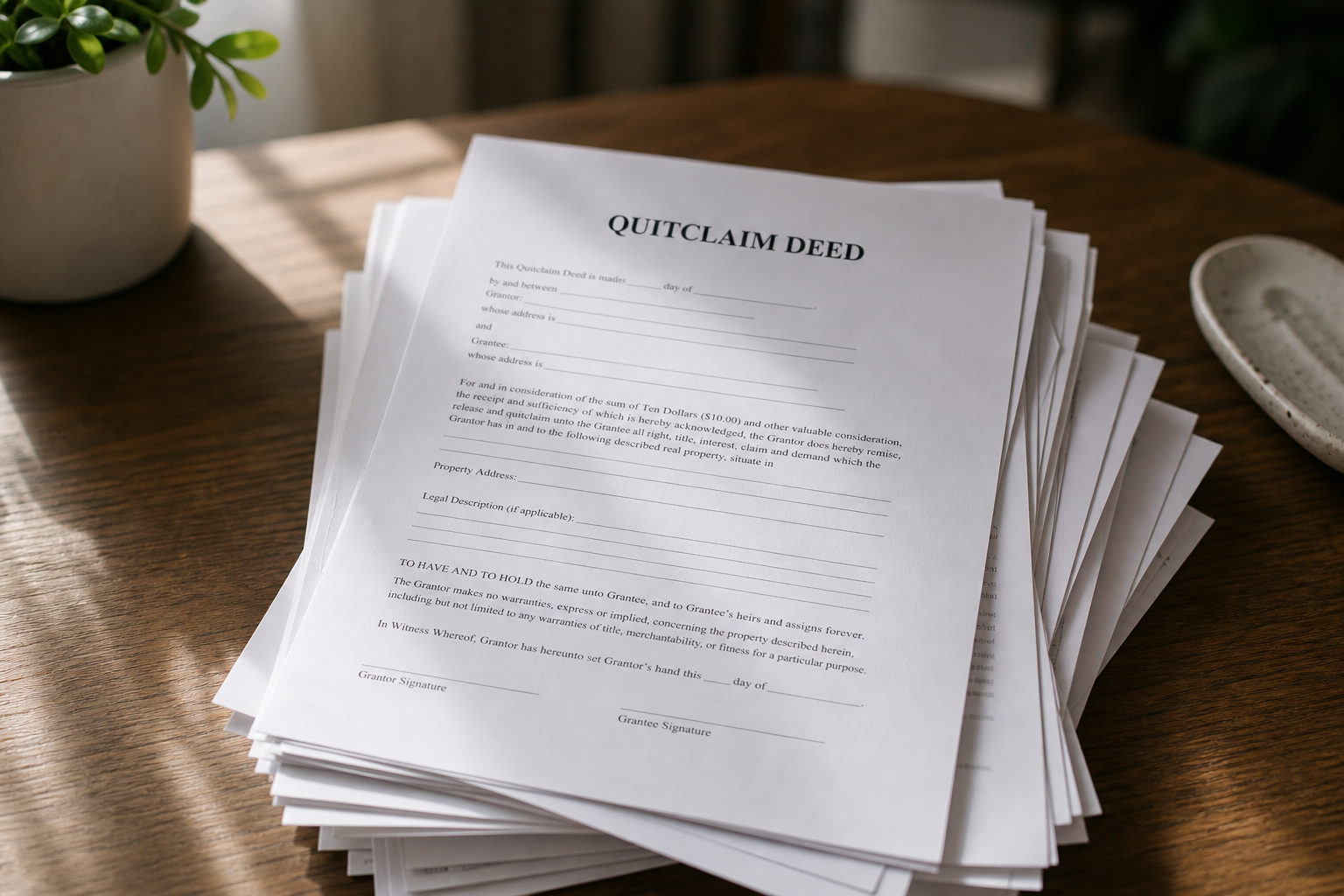
Figuring out who pays probate attorney fees is the easy part: the estate does. The harder part is understanding how much those fees are likely to be and why quotes vary so widely from one attorney or state to another. Some states use percentage formulas based on the estate’s gross value, others rely on hourly billing or flat fees, and almost everywhere, there are extra charges when the estate gets complicated. If you are the executor trying to build a realistic budget, you need to know which fee structure applies where you live and what can quietly push the bill higher.
Key Takeaways:
- Probate attorney fees are paid from estate assets, not from your personal funds or directly by beneficiaries.
- California applies statutory fees to the gross estate value (4% on the first $100k, 3% on the next $100k, 2% on the next $800k, then lower bands above that).
- Texas does not set statutory probate fee rates.
- Courts may approve “extraordinary” fees when estates involve litigation, business management, complex tax work, or property sales.
- Alix charges a flat 1% estate‑funded fee (minimum $9,000) that covers complete estate settlement work across all 50 states.
Understanding Probate Attorney Fee Structures
Probate attorneys typically charge in one of three ways, and knowing which applies to your situation can make a real difference in what you end up paying.

- Hourly rates: Common in states without statutory fee guidelines. Rates vary widely by region and attorney experience, often ranging from $150 to $400+ per hour.
- Flat fees: A fixed amount for the full probate case, sometimes offered for straightforward estates. Good for budget predictability.
- Percentage-based fees: Several states, including California and Florida, set fees by statute as a percentage of the estate's gross value.
The structure you encounter depends heavily on your state's laws and on the complexity of the estate. A small, clean estate in Texas might qualify for a flat fee arrangement. A large estate in California will almost certainly follow the statutory percentage schedule. Ask any attorney upfront how they bill, what's included, and whether any circumstances could change that figure.
Who Pays Probate Attorney Fees
Probate attorney fees are paid from the estate, not from your own pocket. The estate covers legal costs before any remaining assets are distributed to beneficiaries.
That said, some out-of-pocket expenses, such as court filing fees, may become due before the estate has liquid funds available. In those cases, the executor sometimes covers those costs upfront and gets reimbursed later from estate assets.
The bottom line: beneficiaries don't pay, and neither does the executor, at least not permanently. Fees are settled from estate assets once the process wraps up.
California Probate Fees and Statutory Calculations
California follows a strict statutory fee schedule under California Probate Code Section 10810. Both the attorney and the executor are each entitled to the same statutory amount, so the figures effectively apply twice.
| Estate value band | Statutory rate (each) |
|---|---|
| First $100,000 | 4% |
| Next $100,000 | 3% |
| Next $800,000 | 2% |
| Next $9 million | 1% |
| Next $15 million | 0.5% |
One detail that surprises many families: these percentages apply to the gross estate value, not net equity. If your parent owned a $700,000 home with a $300,000 mortgage, the calculation still starts at $700,000. For a $500,000 gross estate, total probate costs in many cases end up somewhere around $15,000 to $35,000 once you factor in statutory attorney and executor fees, court costs, publication, and appraisal fees.
In practice, probate in California often accounts for about 3% and 7% of the estate’s gross value by the time all standard fees are accounted for, with higher totals when “extraordinary” work is approved by the court.
Florida Probate Attorney Fees and Reasonable Compensation
Florida's fee structure is governed by Florida Statutes Section 733.6171, which lays out a presumptive compensation schedule instead of a mandatory one. The statute describes percentages that start at 2.5-3% on the first several hundred thousand dollars of estate value and step down on higher bands, but it also requires attorneys to disclose that these fees are negotiable.
That means the statutory schedule functions as a starting point, not a price list carved in stone. For straightforward estates, it is reasonable to ask about lower rates or capped fees before you sign an engagement agreement. For more complex administrations, firms may suggest staying closer to or above the presumptive schedule to reflect the additional work.
The key in Florida is to treat the statute as a benchmark and have a direct conversation about how your estate’s size and complexity will affect the actual fee.
Texas Probate Attorney Costs and Fee Variations
Texas takes a more flexible approach than California or Florida; there is no statewide statutory fee schedule for probate attorney compensation. Instead, firms typically set their own structures.
Many Texas probate attorneys charge either an hourly rate, often in the $250 to $500 per hour range, or a flat fee for straightforward independent administrations. For a relatively simple estate using independent administration, total legal fees typically fall in the $3,000 to $10,000 range, though contested or highly complex cases can exceed that.
Independent administration is one of the biggest cost levers in Texas. When the will grants independent authority or all beneficiaries consent, the estate usually requires fewer hearings and less court oversight, reducing attorney time and overall expense. It is worth asking early whether your estate qualifies.
New York Probate Attorney Fees and Billing Methods
New York does not use a statutory percentage schedule the way California does. Firms there most often bill by the hour or quote percentage‑based fees as a matter of practice instead of as a matter of law.
In New York City and nearby counties, hourly rates for experienced probate counsel typically range from $350 to $600. When firms quote percentages, you will commonly see ranges such as 4-5% on the first $100,000 in assets, 3-4% on the next $400,000, 2 to 3% on the next $500,000, and 1.5-2% above $1 million. These are market norms, not mandated figures, so they can often be discussed.
On a $1 million estate, the difference between a lean hourly bill and the higher end of a percentage quote can amount to several thousand dollars. Before you engage counsel, ask exactly how they bill, what is included in that fee, and how they handle litigation, property sales, or complex tax issues if those arise.
Extraordinary Fees in Probate Cases
Statutory or agreed‑upon fees are meant to cover ordinary estate administration. Some estates, though, require work that goes well beyond standard filings and routine asset transfers. That is where “extraordinary” fees come in.
Under California Probate Code Section 10811, courts may approve additional compensation for services such as:
- Selling or managing real property on behalf of the estate.
- Handling litigation that arises during administration.
- Managing or winding down a business that the decedent owned.
- Resolving complex tax matters or audits tied to the estate.
These charges are not automatic. The attorney must petition the court, document the extra work performed, and obtain explicit approval before collecting extraordinary fees. If your estate includes a closely held business, multiple properties, or brewing disputes among heirs, ask early whether extraordinary fees are likely so they are part of your cost expectations from the start.
Additional Probate Costs Beyond Attorney Fees
Attorney compensation is only one part of the total probate bill. A realistic budget also accounts for the other expenses that come out of the estate before beneficiaries receive anything.
- Court filing fees: From roughly $45 in some states to about $435 or more in California for initial probate petitions.
- Appraisal or probate referee fees: In California, probate referee charges are around 0.1% of the appraised value of assets they review.
- Publication costs: Required legal notices in local newspapers typically run $100 to $300.
- Bond premiums: When a bond is required, annual premiums are often 0.5% to 1% of the bond amount.
- Executor compensation: Many states allow executors to receive 2% to 4% of the estate’s value for their work, subject to court review.
On a $500,000 California estate, these non‑attorney costs alone can easily total several thousand dollars, and in many cases exceed $5,000, before you add statutory attorney and executor fees. Seeing these line items in advance helps you understand where the money goes and why probate percentages rarely tell the whole story.
Do You Have to Pay Probate Fees Upfront
For most probate cases, you won't owe anything out of pocket to the attorney before the work begins. Statutory fees in states like California and Florida are paid from the estate once the process concludes, not upfront.
California goes a step further: attorneys are prohibited from collecting retainers for their own fees in probate cases. That's a meaningful protection for executors who might otherwise feel pressured to write a check before a single court document gets filed.
Some attorneys do request a retainer to cover anticipated court costs and filing expenses. If that comes up, ask for a breakdown of what it covers. Any costs an executor advances personally are reimbursable from estate assets before distributions go out, so you won't be left holding the bill permanently.
How Estate Complexity Affects Total Probate Costs
Two estates with identical values can carry very different price tags. Raw estate size drives statutory fees, but complexity determines everything else.
The factors that most reliably push costs higher:
- Multiple properties, especially across different states, require separate ancillary probate proceedings in each jurisdiction
- Business interests that need formal valuation or ongoing management throughout the administration period
- Contested wills or disputes among beneficiaries, which can trigger litigation and stretch the timeline by months or years
- Outstanding tax issues and final accounting, including unfiled returns or unresolved IRS correspondence
- Creditor disputes that require a formal response and court involvement
A $1 million estate with a single bank account and a clear will might close cleanly. That same $1 million estate with a rental property, a small business, and one unhappy heir could cost three times as much and take twice as long.
When assessing your situation, think beyond asset count. Is ownership clear? Are beneficiaries aligned? Are taxes current? Those answers shape your real cost exposure more than the balance sheet does.
Simplifying Estate Settlement With Complete Support

Probate costs are complicated enough. Your total bill shouldn't be a mystery on top of everything else.
Alix charges 1% of estate assets, with a minimum of $9,000, and that covers everything. No hourly billing, no retainer requests, no surprise invoices when the estate gets complex. The fee comes from the estate itself, not your pocket.
What that covers goes well beyond probate filings. Alix handles asset discovery, fraud protection, document sorting, tax coordination, debt resolution, and distribution across all 50 states, cutting the typical settlement workload by 95%.
Final Thoughts on Attorney Costs for Estate Settlement
Knowing who pays probate attorney fees and how those fees get calculated gives you a realistic budget before you start the process. The estate covers these costs, not you personally, but understanding what drives the bill helps you avoid sticker shock later.
If you want fixed pricing without the variables of hourly or statutory structures, connect with our team to see how Alix simplifies the entire settlement process. You deserve to know what you're paying for and what you're getting in return.
FAQs
How much does probate cost for a $500,000 estate in California?
For a $500,000 gross estate in California, expect total costs between $15,000 and $35,000, which includes statutory attorney fees, executor compensation, court filing fees, and appraisal costs, all calculated before any debts are subtracted.
Who actually writes the check for probate attorney fees?
The estate pays all probate attorney fees from its assets before any distributions to beneficiaries occur. While you may occasionally cover court filing fees upfront as executor, you'll be reimbursed from the estate before anyone else receives a distribution.
Can I negotiate probate attorney fees in Florida?
Yes. Florida law requires attorneys to disclose that their presumptive fee schedule is negotiable, giving you real room to discuss rates before signing any engagement agreement, especially for straightforward estates.
What makes probate costs jump higher than the statutory fees?
Multiple properties across state lines, business interests requiring valuation, contested wills, unfiled tax returns, or creditor disputes all trigger work beyond standard administration, potentially doubling or tripling your total costs even when the estate value stays the same.
Do flat-fee probate attorneys cover everything, or just the basics?
Ask upfront what's included. Most flat fee arrangements cover standard probate filings and simple estates, but litigation, property sales, business management, or complex tax work typically fall outside that scope and trigger additional charges.
.png)
Related resources