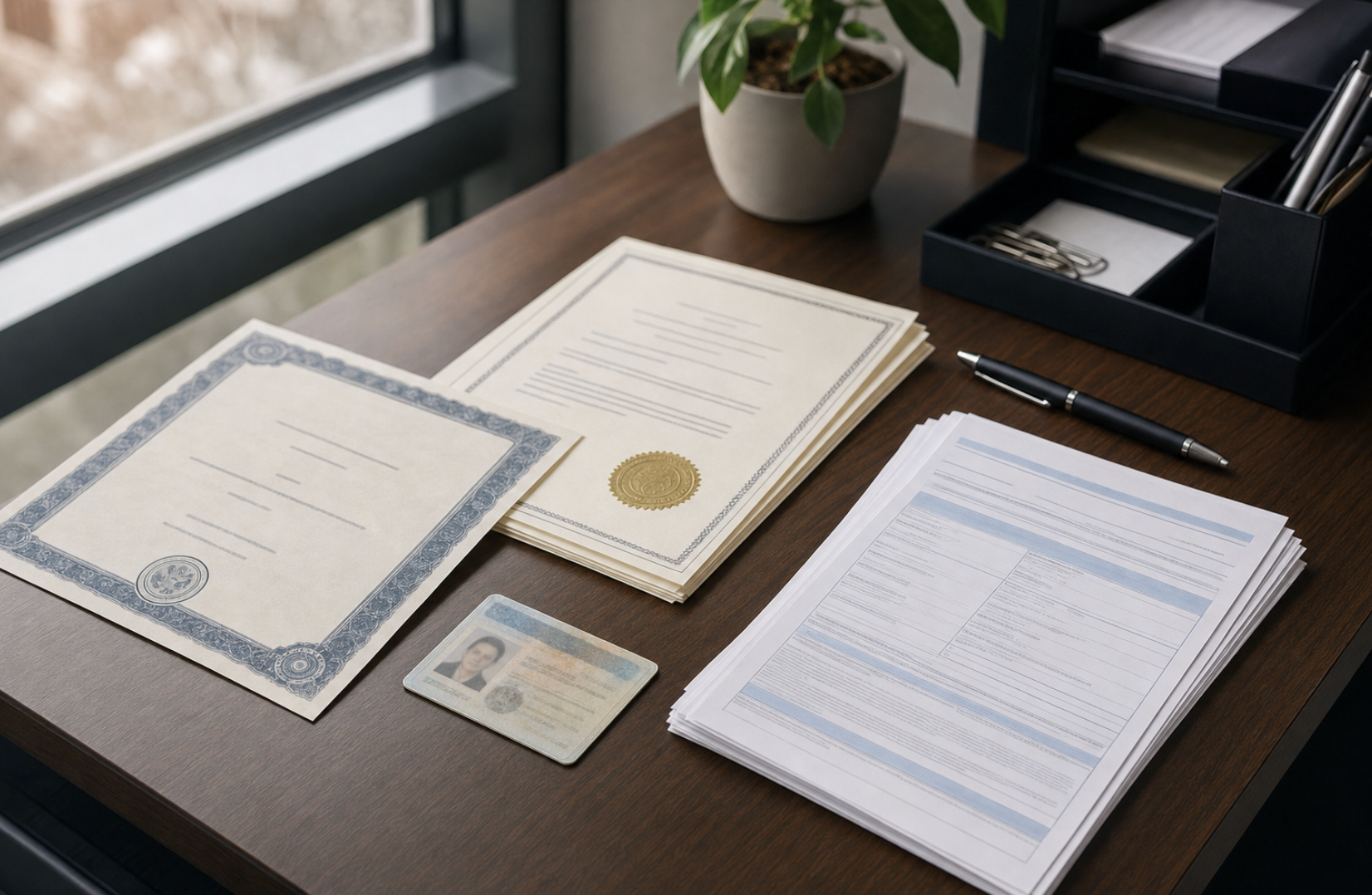
Most people think probate judges just approve wills and close estates, but their authority extends far beyond that. They can remove your executor, reject creditor claims, approve or deny asset distributions, and oversee guardianships for anyone who can't manage their own affairs. Some states require them to hold law degrees and years of courtroom experience, while others allow non-lawyers to serve in smaller counties. Understanding what your probate judge actually controls, and what legal background they bring to the bench, shapes how you handle the entire estate settlement process.
Key Takeaways:
- Probate judges oversee estate administration, will validation, and debt settlement after death.
- 32 states allow non-attorney probate judges, though larger jurisdictions require law degrees.
- Judges can remove executors for mismanagement, missed filings, or failure to fulfill fiduciary duties.
- Alix manages probate filings, court coordination, and access to the attorney network across all 50 states.
What Is a Probate Judge?

A probate judge is a judicial officer who oversees legal proceedings involving estates, guardianships, and conservatorships. When someone dies, assets don't automatically transfer to heirs. Someone has to validate the will, settle outstanding debts, and formally authorize distributions. That is where a probate judge comes in.
These judges sit within a specialized division of the state court system, separate from criminal or civil courts. Their job is to make sure the legal process of winding up a person's affairs is conducted correctly, transparently, and in accordance with state law. They protect heirs, creditors, and anyone else with a stake in the outcome.
Core Responsibilities of a Probate Judge
Probate judges carry a wide range of duties, and most people only encounter one or two of them during a single estate case.
Will Validation
Before any assets are moved, a probate judge must confirm that the will is legally valid. That means verifying the signature, checking for signs of fraud or undue influence, and ruling on any contests filed by family members who disagree with its contents.
Appointing Executors and Administrators
If a will names an executor, the judge formally confirms that appointment. If there is no will, the judge appoints an administrator to manage the estate. Either way, the court issues letters testamentary, giving the executor legal authority to act on behalf of the estate.
Overseeing Debt Settlement
Creditors can make claims against an estate before heirs receive anything. The probate judge reviews those claims, determines which are valid, and makes sure debts are paid in the correct order of priority.
Authorizing Asset Distribution
Once debts are cleared, the judge approves the final distribution of assets to beneficiaries. Nothing gets paid out without that sign-off, which protects heirs from an executor who might act prematurely or in bad faith.
Resolving Disputes
Family disagreements happen. A probate judge has the authority to hear and resolve disputes between heirs, creditors, and executors, whether that involves contested property, unclear will language, or allegations of mismanagement.
Types of Cases Handled by Probate Courts
Probate courts handle far more than just estate cases. Depending on the state, a probate judge may oversee a wide range of legal matters touching on family welfare, personal rights, and vulnerable populations.
- Estate administration and will contests
- Guardianships for minors who have lost their parents
- Guardianships for incapacitated adults who can no longer make decisions for themselves
- Conservatorships, where a court-appointed person manages finances for someone who cannot
- Adoption proceedings in certain states
- Mental health commitments and involuntary treatment orders
- Name change petitions
- Marriage licenses (in some jurisdictions)
The common thread across all of these is judicial oversight, where someone's rights, assets, or well-being requires a neutral authority to weigh in.
Probate Judge Qualifications and Education Requirements
Requirements vary more than most people expect, and where you live matters a lot.
In most larger jurisdictions, candidates are expected to hold a Juris Doctor from an accredited law school and to have several years of legal practice. But baseline requirements apply almost universally: candidates must be at least 25 years old, hold a high school diploma, and have lived in the county for at least two years before running or being appointed.
Smaller counties often set a lower bar. A law degree may not be required at all, which means some probate judges come from backgrounds outside formal legal practice. Larger counties with heavier caseloads tend to demand more, sometimes requiring a law license and proven courtroom experience before a candidate can even qualify.
| Jurisdiction Type | Education Requirements | Selection Method | Law License Required |
|---|---|---|---|
| Large Urban Counties | Juris Doctor from an accredited law school, plus several years of legal practice experience | Typically appointed by the governor from a vetted candidate pool, sometimes with retention elections | Yes, with active bar membership and courtroom experience |
| Mid-Size Counties | Law degree preferred, minimum bachelor's degree with legal background or relevant experience | Mixed systems: elected in some states, appointed in others | Varies by state, often required but exceptions exist |
| Small Rural Counties | High school diploma minimum, bachelor's degree preferred, law degree not always required | Primarily elected by voters in direct elections | No, 32 states permit non-attorney judges in smaller jurisdictions |
| Universal Baseline | Minimum age 25, high school diploma, and county residency of at least 2 years before serving | Determined entirely by state law and county charter | Depends on state statute and local requirements |
Do Probate Judges Need to Be Licensed Attorneys?
Not always. This surprises many people, but 32 states permit non-lawyer judges in certain courts, and probate courts are no exception in some jurisdictions.
States that allow non-attorney probate judges tend to be smaller, more rural counties where legal professionals are scarcer. Larger jurisdictions with complex caseloads almost universally require a law license, given the legal weight of the decisions involved.
New York, Connecticut, and several Southern states have historically allowed non-lawyers at lower court levels, though requirements shift as legislatures revisit judicial qualification standards.
The practical takeaway: a probate judge's legal credentials depend entirely on where you live.
How Probate Judges Are Selected (Elected vs. Appointed)
Probate judges reach the bench through one of two routes: election or appointment, and which path applies depends entirely on state law.
In most Southern and Midwestern states, probate judges run for office like any other political candidate. Voters elect them directly, so a judge's tenure depends on public approval and re-election campaigns. Alabama, Georgia, and Ohio all use this model.
Appointment-based states take a different approach. Governors typically select judges from a pool of vetted candidates, often with input from a nominating commission. Some states blend both systems: a governor fills a vacancy mid-term, then the judge faces a retention election to stay on.
Neither system is clearly superior. Elected judges answer to voters but can face political pressure. Appointed judges may be insulated from politics but are accountable to whoever appointed them.
If your probate judge is elected, you can look them up on your county's official election records. If appointed, your state court's website will list current judicial appointments.
The Probate Judge's Role in Estate Administration
Once probate opens, a judge's involvement does not stop at appointing an executor. They stay engaged throughout the entire administration process to monitor how the estate is being handled.
Executors must file an asset inventory. The judge reviews that inventory to confirm everything has been properly accounted for. From there, the court monitors executor accountings showing estate transactions. If those accountings look incomplete or irregular, the judge can demand answers.
Debt payments also require court approval in many jurisdictions before funds can be paid out of the estate. The judge determines which creditor claims get paid. That layer of oversight exists to protect beneficiaries from an executor who might pay invalid debts or skip legitimate ones.
By the time assets are ready to distribute, the judge has essentially audited the entire process from start to finish.
Guardianship and Conservatorship Oversight
Beyond estate administration, probate judges hold authority over the care and finances of people who can no longer make decisions for themselves due to age, disability, or incapacity.
Guardianship of the Person vs. the Estate
There are two distinct roles a court can assign:
- Guardianship of the person covers decisions about daily life, medical care, and living arrangements
- Guardianship of the estate, sometimes called a conservatorship, covers financial decisions and asset management
One person can hold both roles, or the court can split them between two individuals depending on the circumstances.
Appointment and Ongoing Supervision
Judges do not simply appoint a guardian and step back. They require periodic reports confirming the protected person's condition and welfare, and financial conservators must file accountings showing how funds were spent. If those reports raise concerns, the judge can intervene directly.
Guardianships can also be terminated. If the protected person regains capacity, or if a guardian is found to be acting against their ward's interests, the court has the authority to modify or end the arrangement entirely.
What Happens During a Probate Court Hearing
Probate hearings range from brief, routine check-ins to contested proceedings that resemble a traditional courtroom. Most estate cases land on the simpler end.
Formal vs. Informal Hearings
Informal hearings are common in uncontested estates. The judge reviews paperwork, asks clarifying questions, and issues orders without full courtroom procedure. Contested matters, like a disputed will or a challenged executor, require formal hearings with witnesses, evidence, and legal arguments.
What to Bring
- The original will and any codicils
- Death certificate
- Letters testamentary or letters of administration
- Any filed inventories or accountings
- Identification
What the Judge May Ask
Judges typically confirm that the executor understands their fiduciary duties, verify that creditors were properly notified, and check that the estate inventory is complete. Contested hearings go deeper, with each party asked to state their position on record.
Showing up organized makes a real difference. Judges move through dockets quickly, and gaps in documentation slow everything down.
Can a Probate Judge Remove an Executor or Guardian?
Yes, and they do it more often than most executors realize.
A probate judge has full authority to remove an executor or guardian who is not fulfilling their legal obligations. Common grounds include:
- Mismanaging or misappropriating estate assets
- Failing to file required inventories or accountings
- Acting in their own interest instead of the estate's or ward's interest
- Ignoring court orders outright
- Neglecting the basic duties of the role
Removal is not automatic. A party with standing, typically a beneficiary, creditor, or co-guardian, must petition the court and present evidence. The judge then holds a hearing before making a decision.
If removal is granted, the judge appoints a successor to continue the administration. The removed party may also face personal liability for losses caused during their tenure.
Working Through Probate Court with Professional Support
Probate is technically open to self-representation, and in straightforward, uncontested estates, some people manage it without an attorney. But the line between manageable and overwhelming blurs quickly once a creditor disputes a claim, a family member contests a will, or an executor misses a court deadline.
Professional support comes in a few forms. Estate attorneys handle the legal filings and court appearances. CPAs manage the tax side. Fiduciaries can serve as neutral administrators when family dynamics make that cleaner. For most families, the challenge is that each of these professionals works in isolation, leaving the executor to coordinate between them while also grieving and working full-time.
What matters most is understanding what you are actually responsible for before the court holds you to it. Executors carry fiduciary duties from the moment they are confirmed, and gaps in knowledge do not provide legal cover. Getting up to speed early, whether through an attorney, a fiduciary, or a full-service estate settlement provider, protects everyone involved.
How Alix Simplifies the Probate Process

Probate is one piece of estate settlement, but it rarely travels alone. While the judge oversees the legal process, someone still has to prepare filings, track deadlines, coordinate with the court, and manage everything happening outside the courtroom.
That is where Alix steps in. We handle the full scope of probate administration, from determining whether formal probate is required to managing court filings, public notices, and hearing preparation. Through a trusted attorney network spanning all 50 states, we connect families with licensed probate counsel when the process demands it. The 600+ hours most families spend on estate settlement get cut dramatically, and nothing falls through the cracks.
Final Thoughts on the Probate Judge's Role in Estate Settlement
A probate judge oversees estate administration to make sure the law gets followed and everyone with a stake in the outcome stays protected. Their authority covers everything from validating wills to removing executors who mismanage assets. You don't need to become a legal expert to handle probate, but you do need to understand what the court expects from you as an executor or beneficiary. Get started with Alix to manage the legal filings, coordinate with attorneys, and handle the full scope of estate settlement. We step in so you can focus on your family instead of court deadlines.
FAQs
Does a probate judge have to be an attorney?
No, not in every state. 32 states allow non-lawyer judges in certain courts, and probate courts are no exception in some jurisdictions. Smaller, rural counties often permit non-attorney probate judges, while larger jurisdictions with complex caseloads almost universally require a law license.
What's the average probate judge salary near California vs Texas?
Probate judges in both California and Texas tend to earn toward the upper end of the national range due to higher costs of living and larger caseloads. The national average is $67,389 annually, with most judges earning between $49,500 and $77,500, while top earners in high-cost states can reach around $98,000.
Can a probate judge remove an executor?
Yes, and they do it more often than most executors realize. A probate judge has full authority to remove an executor who mismanages estate assets, fails to file required accountings, acts in their own interest, ignores court orders, or neglects basic fiduciary duties. A beneficiary, creditor, or co-guardian must petition the court with evidence, and the judge holds a hearing before making a decision.
How do I find the probate court in Madison County, Ohio?
Search for "Madison County, Ohio probate court records search" or visit the Madison County Probate Court website directly for contact information, court locations, and record access. You can also call the Madison County probate court phone number listed on their official county website to confirm hours and filing requirements.
What does a probate judge actually do during estate settlement?
A probate judge validates wills, appoints executors or administrators, reviews creditor claims to determine which debts get paid, oversees asset distribution to beneficiaries, and resolves disputes between heirs or creditors. They stay engaged throughout the entire administration process, reviewing inventories and executor accountings to confirm everything has been properly handled before any assets move.
.png)
Related resources