How to Transfer a Car Title After Death
The transfer path depends on whose name is on the title, whether the vehicle has a beneficiary or joint owner, and the state's DMV rules. Gather the title, death certificate, and proof of authority first.
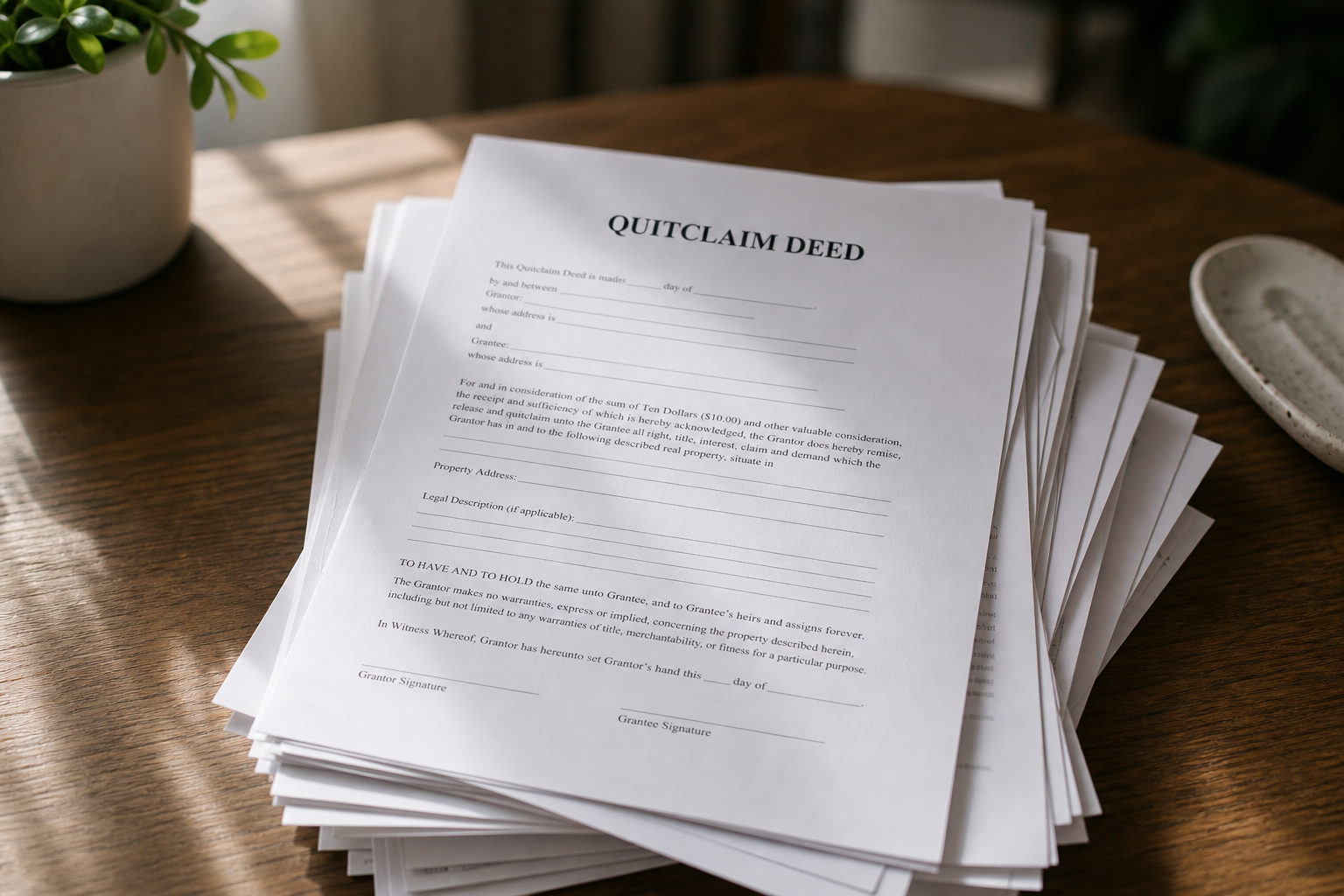
If you're an executor trying to transfer a car title after the owner has passed, the first question is whether you need probate or if there's a faster route. How to transfer car title after death of owner depends on whether the car was jointly owned, whether there's a transfer on death designation, and what state the vehicle is registered in.
States like Florida, California, Massachusetts, South Carolina, Pennsylvania, Georgia, Indiana, and Wisconsin all have different rules, forms, and small estate thresholds.
You might need to file online, submit a lost title owner deceased form, figure out what happens to a car when someone dies without a will, complete an affidavit of surviving spouse in Massachusetts, or determine whether a South Carolina transfer on death deed applies.
Some transfers take a single DMV visit. Others require court approval and months of waiting. Knowing which documents your state requires and whether you qualify for a simplified process keeps you from filing the wrong paperwork and starting over.
Key Takeaways:
- Transferring a car title after death requires a certified death certificate, the original title, and proof of legal authority that varies by state and estate size.
- Joint ownership with "or" designation or a transfer-on-death beneficiary lets you skip probate and retitle with just a death certificate.
- Small estate thresholds range from $10,000 in Georgia to $239,700 in California (deaths after April 1, 2026), determining whether you need full probate or can use a simplified affidavit.
- Outstanding car loans survive the owner's death and must be paid off, assumed, or surrendered before the DMV will process a title transfer.
- Alix coordinates vehicle title transfers alongside the full estate settlement process, handling over 100 tasks from asset organization to beneficiary distribution in one process.
Understanding Car Title Transfer After Death of Owner
When someone dies, every asset they owned needs to be accounted for and transferred to the right person. A car is often one of the first things that surfaces because it's sitting in the driveway, someone needs to drive it, and the family isn't sure who legally owns it now.
The answer depends on a few things: whether the deceased had a will, whether the car was jointly owned, and which state the vehicle was registered in. Each of those factors points you toward a different process, different forms, and different timelines.
Here's what the transfer process generally involves, regardless of where you're doing it:
- You'll need a certified copy of the death certificate. Most states require at least one, and some agencies want an original instead of a photocopy.
- The title itself matters. If it's lost or was never transferred out of a prior owner's name, you'll need to work through a separate process to obtain a replacement or confirm ownership before any transfer can happen.
- Probate status shapes everything. If the estate goes through probate, the executor named in the will typically has the legal authority to sign over the title. If there's no will, an administrator appointed by the court takes on that role.
- Some states offer shortcuts. Small estate affidavits, surviving spouse affidavits, and transfer-on-death designations can let you bypass formal probate entirely under the right conditions.
- Each state has its own forms and fees. There is no single national process for this.
The sections below walk through the specifics by state, including what to do when there's no will, how online transfers work, and what happens if the title is lost.
Required Documents for Vehicle Title Transfer
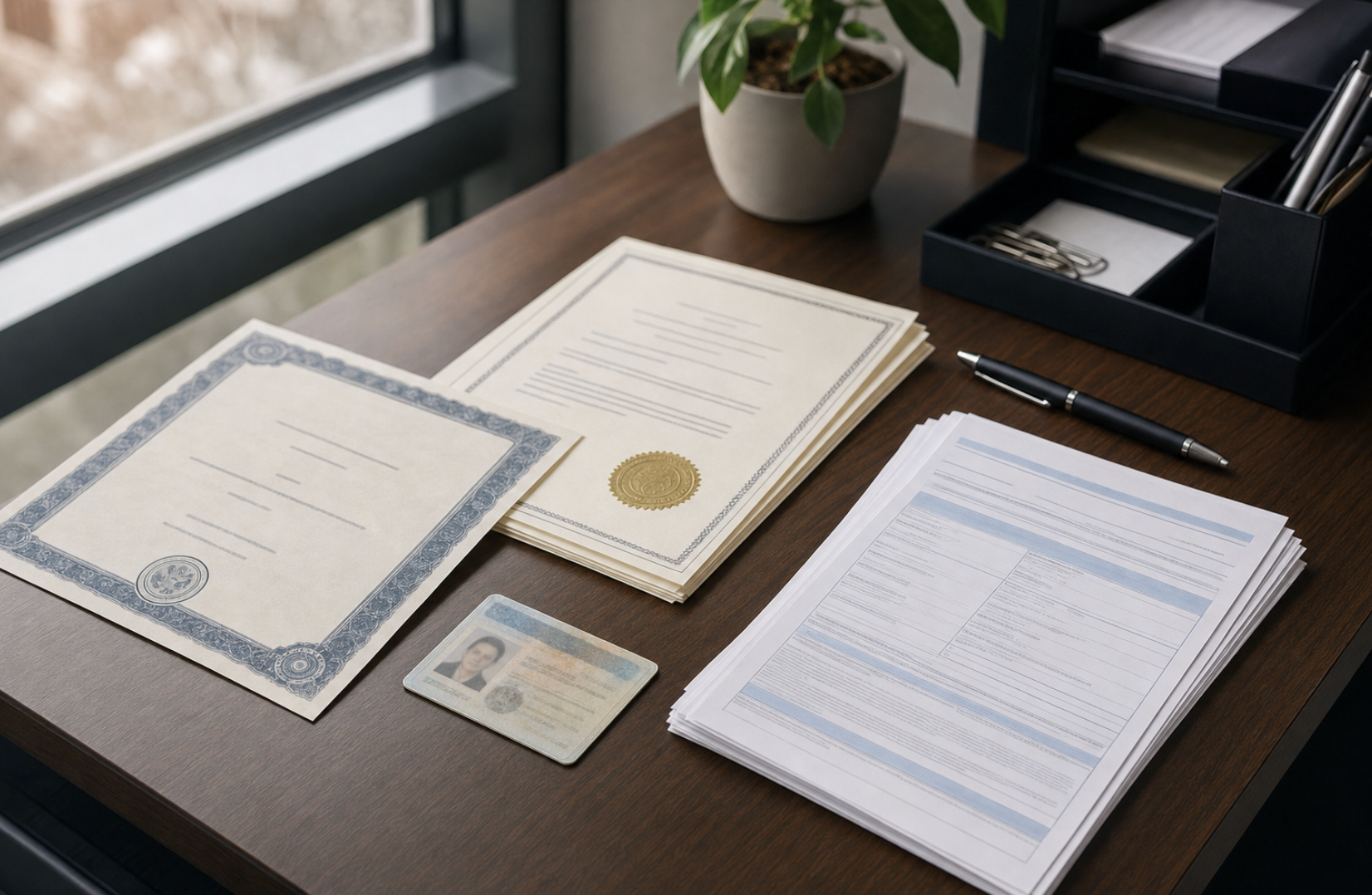
While the exact paperwork varies by state, most DMVs require a consistent set of core documents before they'll process a title transfer for a deceased owner's vehicle. Gathering everything before you walk in saves you a return trip.

Here are the documents you'll typically need:
- A certified copy of the death certificate, which the DMV uses to confirm the owner has passed. Most states require at least one certified copy, so order several from the county records office early on.
- The original vehicle title. If the title is lost, you'll need to request a duplicate through your state's DMV before you can complete the transfer. Many states have a specific lost title form for situations where the owner is deceased.
- A completed title transfer application from your state's DMV. This is sometimes called a request for title or application for certificate of title, and the form number varies by state.
- Proof of your legal authority to act on behalf of the estate. Depending on how the estate is being handled, this could be letters testamentary issued by the probate court, a small estate affidavit, or an affidavit of heirship.
- Government-issued photo ID for the person completing the transfer.
- A bill of sale if the vehicle is being sold instead of transferred to a beneficiary.
- Odometer disclosure, which federal law requires for most vehicles under ten years old.
When Probate Is Involved
If the estate is going through probate, you'll need your court-issued letters testamentary before the DMV will recognize your authority. These cannot be obtained until after a probate court appoints you as executor or administrator. Some states also require a current vehicle appraisal or a statement of the vehicle's fair market value if estate taxes are a consideration.
When Probate Is Not Involved
For smaller estates that qualify for simplified transfer procedures, a small estate affidavit or a surviving spouse affidavit can sometimes substitute for full probate authority. The dollar thresholds and eligibility rules for these shortcuts differ meaningfully from state to state, so check your specific state's DMV requirements before assuming you qualify.
When Probate Is Required vs. Simplified Transfer Options
Whether you need to go through probate to transfer a vehicle depends on three things: how the car was titled, the total value of the estate, and what state you're dealing with. Get the combination wrong, and you could spend months in probate court waiting on something that could have been resolved in a few weeks, or worse, file a simplified affidavit that the DMV won't accept.
The clearest trigger for formal probate is sole ownership with no transfer-on-death designation and no surviving joint owner. If the deceased was the only person on the title and didn't set up a TOD beneficiary, the vehicle becomes part of the probate estate and can't be transferred without the court's involvement. At that point, the executor or administrator needs letters testamentary or letters of administration before the DMV will move.
Simplified transfer options become available when the estate falls below your state's small estate threshold, or when a surviving spouse or designated beneficiary has a direct claim. If the vehicle was jointly owned or had a TOD designation, you can often bypass probate entirely. When the estate falls below your state's threshold, a small estate affidavit lets you transfer without court involvement. Above that threshold, or when there's sole ownership with no TOD, formal probate is required.
One thing worth flagging: state thresholds vary widely. California's current small estate ceiling sits at $239,700 for deaths on or after April 1, 2026. Other states set theirs far lower. Confirming your state's current figure before filing anything will save you from starting down the wrong path.
Joint Ownership and Transfer on Death Designations
When a car is jointly owned or has a transfer on death (TOD) designation in place, the title transfer process after death is considerably simpler than going through probate.
Joint ownership is one of the most common ways vehicles pass outside of probate. If the title lists two owners connected by "or" instead of "and," the surviving owner typically has full rights to the vehicle and can retitle it in their name alone by presenting a death certificate to the DMV. Some states also recognize joint tenancy with right of survivorship (JTWROS) on vehicle titles, which works the same way.
TOD designations work similarly. The vehicle owner names a beneficiary directly on the title while they are alive, and upon death, that beneficiary can claim the car by bringing a death certificate and the necessary DMV paperwork. No court involvement is needed.
A few things worth knowing about TOD designations:
- Not every state allows TOD designations on vehicle titles. States like California, Kansas, and Missouri do; others do not offer this option at all.
- If the named TOD beneficiary predeceases the owner and no alternate was named, the vehicle may still pass through probate.
- The beneficiary takes the vehicle subject to any outstanding liens, so an unpaid auto loan does not disappear when ownership transfers.
If the car already has one of these arrangements in place, your path forward is usually a straightforward DMV visit instead of an extended court process.
Small Estate Affidavit Procedures by State
When a vehicle's value falls below your state's small estate threshold, you may be able to skip probate entirely and transfer the title using a simplified affidavit process. The exact rules vary widely, so knowing your state's specific requirements can save you weeks of waiting.
Here is a snapshot of how several states handle small estate affidavit procedures for vehicle transfers:
| State | Small Estate Threshold | Key Requirements |
|---|---|---|
| California | $208,850 (deaths before April 1, 2026); $239,700 (deaths on or after April 1, 2026) | 40-day waiting period after death; affidavit signed under penalty of perjury |
| Florida | $75,000 (or $100,000 for surviving spouse) | Summary administration available; requires petition to probate court |
| Massachusetts | $25,000 | Voluntary administration through Probate Court; surviving spouse or heir must file |
| South Carolina | $25,000 | Affidavit of Successor filed with DMV; no court involvement required below threshold |
| Pennsylvania | $50,000 | Family Settlement Agreement or Register of Wills short certificate required |
| Georgia | $10,000 | Affidavit of Heirs; must wait 30 days after death |
| Indiana | $50,000 | Surviving spouse can transfer without affidavit in many cases; others file with BMV |
| Wisconsin | $50,000 | Transfer by affidavit; 30-day waiting period applies |
What the Affidavit Typically Covers
Most small estate affidavits ask you to confirm several things under oath before a notary.
- You are the rightful heir or successor to the deceased owner's property, and no other person has a competing claim to the vehicle.
- The total value of the decedent's estate in that state does not exceed the applicable threshold, which varies by state as shown above.
- The required waiting period since the date of death has passed, commonly 30 to 40 days depending on your state.
- No probate proceeding is currently open or pending in any court for the decedent's estate.
Once the affidavit is complete and notarized, you bring it to your state's DMV or motor vehicle agency along with the original title, the death certificate, and any supporting documentation the state requires. If the original title is lost and the owner is deceased, most states have a lost title deceased owner form you can file simultaneously to replace the missing document before completing the transfer.
State-Specific Transfer Requirements
Each state runs its own title transfer process after a death, and the rules vary enough that what works in one state can leave you stuck at the counter in another.
Florida
Florida allows small estate transfers through an Affidavit of Heirship if the vehicle's value falls below $75,000 (or $100,000 for a surviving spouse), avoiding full probate. If the car is titled jointly with right of survivorship, the surviving owner takes the vehicle by presenting a death certificate to the Florida DHSMV. For estates going through formal probate, the personal representative uses Letters of Administration to authorize the transfer.
California
California's transfer process depends on the total estate value. For deaths on or after April 1, 2026, the small-estate threshold is $239,700. Below that figure, heirs can use a Statutory Successor form (REG 5) to transfer the title without probate. Above it, the estate typically goes through probate and the executor transfers the title using court-issued authority.
Massachusetts
The Massachusetts RMV requires a death certificate and, in many cases, either a Surviving Spouse Affidavit or Letters of Administration before it will process a title transfer. If the vehicle was jointly owned, the surviving owner can transfer with just the death certificate and current title. Driving a deceased person's car without updating the registration creates insurance and liability gaps, so the RMV generally expects you to address the title before operating the vehicle.
South Carolina
South Carolina offers a Transfer on Death designation that lets owners name a beneficiary directly on the title, bypassing probate entirely. If no TOD was filed and there is no will, the surviving spouse or heir must complete a title transfer application along with a death certificate and, in many cases, an affidavit of heirship.
Other States at a Glance
Georgia requires an executor's deed or affidavit, plus probate court approval for titled assets. Indiana allows a small estate affidavit if the estate falls below the state threshold. Pennsylvania requires title transfer form MV-1 with Letters Testamentary or a small estate order. Wisconsin offers Transfer by Affidavit if the gross estate is $50,000 or less.
Transferring Title When the Owner Dies Without a Will
When someone dies without a will, state intestate succession law decides who inherits the vehicle. The general order runs from surviving spouse, to children, to parents, to siblings, and so on depending on the state. Where that hierarchy lands for the deceased person's specific family situation determines who has the legal right to claim the car.
Knowing who inherits and actually getting the title transferred are two separate problems.
Affidavit of Heirship
An affidavit of heirship is a sworn statement that identifies the deceased, lists their heirs, and confirms their relationship to the decedent. Unlike a small estate affidavit, which focuses on the estate's total value, an affidavit of heirship focuses on documenting the family structure and who is entitled to receive the asset. Most states accept it as a way to transfer vehicle title without going through full probate, provided the estate meets other eligibility requirements.
The affidavit typically needs to be signed by someone who knew the deceased personally and can vouch for the family history, then notarized before being presented to the DMV alongside the death certificate and any applicable transfer forms.
When Multiple Heirs Disagree
Intestate cases get complicated when there is no clear sole heir. If the deceased had three adult children and no surviving spouse, all three may hold equal inheritance rights to the vehicle. A car cannot be split three ways, so the heirs need to reach an agreement before anything moves forward.
The options are generally:
- One heir buys out the others at fair market value and takes sole title in their name.
- All heirs agree to sell the car and divide the proceeds among themselves according to their shares.
- The matter goes to probate court, where a judge can resolve the dispute if no agreement is reached.
If the heirs cannot agree, the vehicle stays frozen in legal limbo until the court intervenes. That process can drag out for months while the car continues to sit, depreciate, and accrue insurance and registration complications.
Handling Outstanding Liens and Vehicle Loans
A car loan does not disappear when the borrower dies. The lender still holds a security interest in the vehicle, and that interest has to be resolved before a clean title can transfer to anyone.

Most lenders are listed as lienholders directly on the title, which means the DMV will not process a transfer until the lien is released. According to Experian's guidance on auto loans after death, the deceased person's estate is typically responsible for covering the debt. To get a lien release, you generally have three options:
- Pay off the remaining loan balance in full using estate funds, then request a lien release letter from the lender. Once the lender confirms the debt is cleared, they release their claim and you can proceed with the title transfer.
- Return the vehicle to the lender if the estate cannot cover the payoff and no heir wants to take on the debt. This is essentially a voluntary surrender, and the lender liquidates the car to recover what they are owed.
- Assume the loan, if the lender allows it. Some lenders will let a qualified heir take over the existing loan instead of requiring a full payoff. Many loan agreements include a due-on-sale or due-on-transfer clause, though, which gives the lender the right to demand full repayment when ownership changes. Whether assumption is available depends on the lender's policies and the heir's creditworthiness.
If the vehicle is worth less than the outstanding loan balance, the estate is dealing with negative equity. In that case, the heir has no obligation to pay the difference out of pocket, but taking ownership of the car means taking on its debt as well.
One practical step that often gets skipped: contact the lender early, before you file anything with the DMV. Lenders have their own internal processes for handling deceased borrowers, and many require an estate representative to submit a death certificate and letters testamentary before they will discuss payoff figures or release options at all.
Lost or Missing Title Solutions
When the title is lost or was never transferred into the deceased's name, you face an extra layer of paperwork before the standard transfer process can even begin.
Most states have a specific form for this situation. In many cases, you will need to file a lost title application alongside the death certificate and whatever probate documents apply to your situation. Some states charge a small duplicate title fee, typically between $5 and $25, before issuing a replacement that you can then use to complete the transfer.
When There Is No Title at All
If the deceased never had a title in their possession, or if the vehicle was purchased informally without one, your path forward depends on the state and how the vehicle was originally registered. A few routes that come up often:
- A bonded title may be required if no paper trail exists. You purchase a surety bond for a set value of the vehicle, which protects future buyers if a competing ownership claim surfaces later. The bond period is typically three years before a clean title is issued.
- A court-ordered title is another option if there is a disputed or unclear ownership history. A judge can issue an order directing the DMV to recognize the new owner, though this route takes longer and involves legal fees.
- Some states allow a mechanics lien title process if the vehicle was abandoned or left in someone's possession for repairs, though this is less common in estate contexts.
The Lost Title Owner Deceased Form
Several states have created a dedicated form for situations where the owner is deceased and the title cannot be located. This is sometimes called a lost title owner deceased form or a similar variant depending on the state. In South Carolina, for example, this form is submitted to the SCDMV alongside a death certificate and any required probate documents. In Massachusetts, the RMV has its own process for deceased-owner title replacements that ties directly into how the estate is being administered.
Regardless of state, the core information you will need to supply on these forms is consistent: the vehicle identification number (VIN), the last known owner's name and date of death, your relationship to the estate, and documentation supporting your authority to act on behalf of the estate.
Fees, Taxes, and Registration Requirements
When the title transfers to a new owner, there are typically a few costs and registration steps you'll need to account for before the vehicle is legally in someone else's name.
Title Transfer Fees
Most states charge a title transfer fee that ranges from around $15 to $100 depending on the state. Some states also charge a separate registration fee or a license plate fee if the inheriting party needs new plates. Check with your state's DMV directly for the exact figure, since these amounts vary widely.
Sales Tax and Inheritance Exemptions
In most states, transfers between immediate family members or through an estate are exempt from sales tax, but this is not universal. Some states require you to pay a use tax or a reduced transfer tax even on inherited vehicles. A few states, like California, may have specific exemption forms for title transfers you need to submit alongside the title transfer paperwork to avoid being assessed a tax at the counter.
Smog and Emissions Checks
Depending on the state and the age of the vehicle, you may need a smog or emissions inspection before the title can be transferred or the registration renewed. California, for instance, requires smog certification on most vehicles older than four years as part of any title transfer, with some exceptions for vehicles eight years old or newer in certain counties.
Updating Registration After Transfer
Once the title is in the new owner's name, the vehicle registration typically needs to be updated as well. In many states, the new owner has 30 to 90 days to complete the registration update before penalties apply. Driving the vehicle on an expired or mismatched registration after that window can result in fines, so it is worth completing both the title transfer and the registration update at the same time if the DMV allows it.
Common Mistakes and How to Avoid Them
Most title transfer rejections come down to the same handful of errors. Catching them before you file saves you from restarting the whole process.
There are six mistakes that show up repeatedly across states, and each one is avoidable with a bit of preparation.
- Submitting photocopies of the death certificate instead of certified copies. Most DMVs require originals with a raised seal. Order extras from the county records office upfront, since you will likely need them for other estate tasks as well.
- Filing before the required waiting period has passed. Many states impose a 30 to 40 day window after the date of death before an affidavit can be used. Filing early means automatic rejection, so confirm the specific waiting period for your state before you go.
- Skipping the lien check. If the vehicle has an outstanding loan, the DMV will not process the transfer regardless of what other paperwork you have in order. Confirm the lien status directly with the lender before you show up at the office.
- Submitting an incomplete or unsigned affidavit. A small estate affidavit or affidavit of heirship that is missing a notary stamp, a witness signature, or a required field is invalid. Read the full form instructions carefully before signing anything.
- Trying to sell or re-register the vehicle before the title is in the new owner's name. The seller cannot legally transfer title they do not yet hold, and a buyer purchasing a vehicle with a deceased owner still listed may face their own complications when they go to register it.
- Using an outdated form version. State DMVs update their forms periodically, and older versions are often rejected outright. Always download the current version directly from your state's DMV website on the day you plan to file.
Timeline Expectations for Title Transfer
Timelines vary more than most folks expect, and getting caught off guard can delay an estate distribution or leave a vehicle sitting in legal limbo for months.
In straightforward cases where the vehicle passes directly to a surviving spouse or through a small estate affidavit, the process can move quickly. Once you gather the required documents, the DMV appointment itself often takes less than an hour. The real wait is in collecting paperwork: certified death certificates can take 1 to 3 weeks, gathering supporting documents takes 1 to 4 weeks, and DMV processing after submission runs anywhere from same day to 6 weeks. If probate is required, the court appointment alone can take 2 to 6 months or longer before you even have the authority to transfer the title.
When probate is involved, the title cannot transfer until the court appoints an executor or administrator and issues Letters Testamentary. Given that probate commonly runs 12 to 18 months in most states, a vehicle tied up in a larger estate can sit in legal uncertainty for well over a year.
A few factors that tend to extend the timeline:
- A missing or lost original title requires submitting a duplicate title application, which adds processing time before the transfer can even begin.
- Disputes among beneficiaries, or an estate without a will, can require additional court orders before the DMV will accept a transfer request.
- Outstanding liens on the vehicle require written lien release documentation from the lienholder, which can take several weeks to obtain.
- Some states require a vehicle inspection or emissions verification before issuing a new title to the recipient.
If the estate involves multiple assets beyond the car, coordinating the title transfer alongside probate filings, account closures, and creditor deadlines is where things tend to stack up. Keeping a running document checklist and tracking each request by submission date helps you avoid losing weeks to a missing signature or expired form.
How Alix Simplifies Vehicle Title Transfer and Estate Settlement
Transferring a vehicle title is one task inside a much larger estate settlement process. By the time you've tracked down the title, confirmed the lien status, ordered certified death certificates, determined which affidavit your state accepts, and scheduled a DMV appointment, weeks can pass on a single asset in an estate that may also include bank accounts, real estate, retirement funds, brokerage accounts, and personal property spread across multiple locations.
If you need help beyond the DMV paperwork, see what a probate lawyer and settlement specialist each handle before deciding who should assist with the vehicle and the rest of the estate.
Alix handles the full scope of that work as one coordinated process. That means vehicle title transfers get handled alongside account closures, creditor notifications, tax filings, and beneficiary distributions instead of sitting on your personal to-do list indefinitely.
What Alix Coordinates Across the Estate
Estate settlement typically involves well over 100 administrative tasks, many of which have hard legal deadlines or sequencing dependencies. A few examples of what gets folded into the process alongside any vehicle transfer:
- Locating and organizing all estate assets and account documentation so nothing gets missed or overlooked during the settlement period.
- Managing creditor claims and protecting the estate against fraud, including identity theft schemes that frequently target deceased individuals.
- Coordinating with attorneys on probate filings, formal accountings, and creditor notice requirements so the legal work and administrative work stay in sync.
- Handling beneficiary communication and final asset distribution once the creditor-claim window has closed and the estate is ready to close.
Alix is designed for estates with meaningful complexity. If your situation involves multiple assets, unclear titling, out-of-state property, or any contested questions about who inherits what, that's exactly where having coordinated support matters most.
To see how Alix approaches estate settlement, visit meetalix.com.
A vehicle title transfer is one task inside a wider process. An estate settlement company can manage the vehicle alongside accounts, property, creditors, taxes, and beneficiary distributions.
Final Thoughts on Car Title Transfers After Death
Most executors assume transferring a car title after someone dies will be quick, then find out it's tied to probate timelines, missing documents, or outstanding liens they didn't know existed. The exact steps depend on how the vehicle was titled, whether the estate qualifies for simplified procedures, and which state you're in, but the core requirements stay consistent across jurisdictions. Alix coordinates vehicle transfers as part of the broader estate settlement work, so the title change happens alongside creditor claims, account closures, and beneficiary distributions instead of sitting on a separate checklist. Order multiple certified death certificates upfront, verify lien status before you file, and confirm your state's current small estate threshold before assuming you qualify for a shortcut.
FAQ
Can I transfer a car title when the owner is deceased without going through probate?
Yes, in many cases. If the vehicle was jointly owned, had a transfer-on-death designation, or the estate falls below your state's small estate threshold, you can often transfer the title using just a death certificate and the appropriate affidavit. Sole ownership with no TOD and an estate above the threshold typically requires probate.
How to transfer a car title after death of owner when there's an outstanding loan?
The lien must be resolved before the title can transfer. You can pay off the remaining loan balance using estate funds and request a lien release, return the vehicle to the lender, or ask if the lender allows an heir to assume the existing loan. Contact the lender early with the death certificate and probate documents before filing anything with the DMV.
What happens to a car when someone dies without a will?
The vehicle passes according to your state's intestate succession law, typically to a surviving spouse first, then to children, parents, or siblings depending on the family structure. You'll need an affidavit of heirship to transfer the title without probate if the estate qualifies, or the court will appoint an administrator to handle the transfer if probate is required.
How long does the car title transfer process take after someone dies?
It depends on your path. Direct transfers to a surviving spouse or through a small estate affidavit can take a few weeks once you gather the required documents. If probate is involved, expect 12 to 18 months or longer before the court issues letters testamentary and you can complete the transfer.
Transfer car title after death Massachusetts vs South Carolina - what's different?
Massachusetts requires a Surviving Spouse Affidavit or Letters of Administration for most transfers and has a $25,000 small estate threshold. South Carolina offers a transfer-on-death designation that bypasses probate entirely and also uses a $25,000 threshold but allows affidavits of successor to be filed directly with the DMV without court involvement.
.png)
Related resources