What to Wear to a Viewing: Complete Guide for June 2026
Learn what to wear to a viewing with this May 2026 guide. Get outfit ideas for men and women, summer tips, cultural considerations, and dress code rules.
You've been invited to a viewing, and the first question is always the same: what to wear that reads respectful without overdoing it. Whether you need a full suit, if jeans are acceptable, how summer heat changes the equation, and whether a viewing calls for different attire than the funeral itself are all questions that come up when you're standing in front of your closet trying to get this right. Viewings sit between smart casual and semi-formal, leaning conservative and quiet.
Key Takeaways:
- Dress semi-formal in dark, muted tones like navy, charcoal, or black to blend in respectfully at a viewing.
- Dark-wash jeans can work in casual settings if paired with a blazer and polished shoes, but avoid distressed or light-wash denim.
- Check the obituary or ask the family about cultural or religious dress expectations before choosing your outfit, as traditions vary widely on color and modesty.
- Estate settlement after a viewing runs an average of 20 months and includes probate filing, asset inventory, creditor notifications, and tax coordination.
- Alix handles the non-legal administrative work of estate settlement so you can focus on supporting your family instead of managing paperwork alone.
Understanding the Difference Between a Viewing, Visitation, and Wake
Before picking out an outfit, it helps to know exactly what kind of event you're attending. The terms "viewing," "visitation," and "wake" are often used interchangeably, but they carry slightly different meanings, and understanding those differences can help you dress appropriately.
Viewing
A viewing is a scheduled period, typically held at a funeral home, where family and friends gather to see the deceased before burial or cremation. The body is usually present, often in an open casket. Viewings can be held the day before a funeral service or a few days in advance, and they generally call for quiet, respectful attire.
Visitation
A visitation is functionally very similar to a viewing. The main distinction is that some families use "visitation" to describe a gathering where the casket may be closed, or where the focus is more on supporting the bereaved family than viewing the deceased. The dress code expectations are essentially the same as a viewing: understated, respectful, and modest.
Wake
A wake has roots in Irish and Catholic traditions and was historically an overnight vigil held near the body. Today, the word is often used loosely to describe any informal gathering held before or after a funeral. Modern wakes can range from a somber home gathering to a more celebratory reception honoring the person's life. Because the setting varies more widely, attire can lean slightly more casual, though respectful dress is still expected.
How the Setting Affects What You Wear
The core dress code across all three events is similar: subdued colors, modest cuts, and nothing that draws attention away from the occasion. Where they differ is in degree.
If you are unsure which type of event you have been invited to, err on the side of more formal attire. You can always remove a blazer or adjust your look on arrival, but showing up underdressed at a funeral home is harder to walk back.
General Dress Code Guidelines for a Viewing
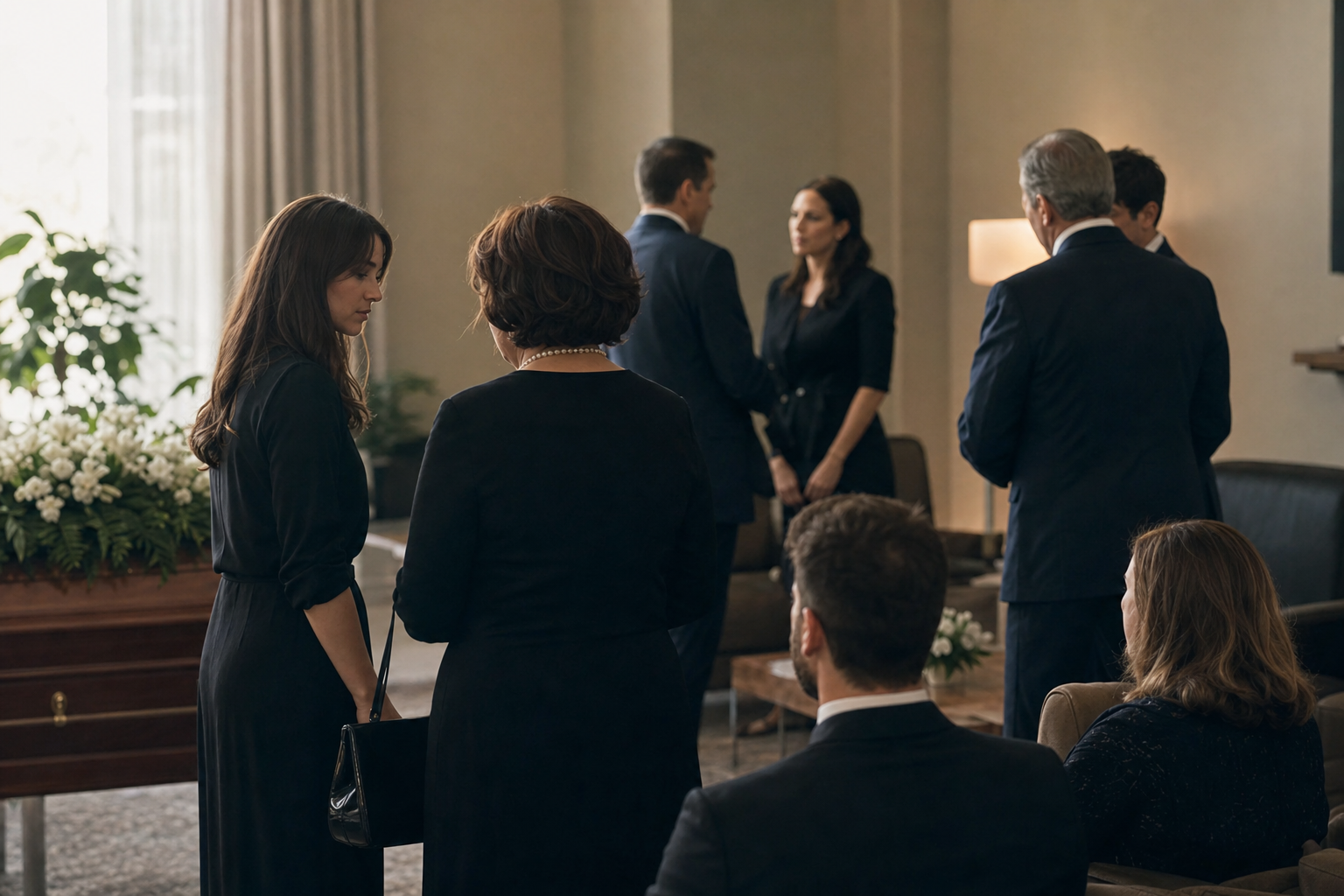
Viewings tend to be more relaxed in dress expectations than the funeral service itself, but that doesn't mean anything goes. The general standard is smart casual to semi-formal, with an emphasis on muted, conservative colors and clothing that doesn't draw attention away from the occasion.
Most guests interpret this as dark or neutral tones: navy, charcoal, grey, deep burgundy, forest green, and of course black. Bright colors, loud patterns, and anything overly casual or festive tend to feel out of place, even if no one says anything directly. The goal is to look pulled together and respectful without appearing to have made the event about you.
A few principles apply across genders and seasons:
- Err on the side of being slightly more dressed up than you think you need to be. You can always remove a blazer or cardigan, but you can't add formality you didn't bring.
- Comfort matters because viewings can run longer than expected, especially when the family is receiving a steady stream of guests.
- Fit and condition of your clothing often matters more than the specific pieces. Clean, well-fitting clothes in subdued tones read as respectful even if they aren't expensive.
- Religious and cultural context shapes what's appropriate. Some services have specific expectations around head coverings, modesty, or color symbolism that override general Western dress norms.
Viewing vs. Funeral: Is There a Dress Difference?
This is one of the more common questions people ask, and the honest answer is yes, but not dramatically so. A funeral service, particularly one held in a house of worship or followed by a graveside ceremony, typically calls for more formal attire. A viewing or visitation is a more informal gathering by design, which gives you slightly more flexibility.
In practice, what would feel slightly underdressed for a funeral might be perfectly acceptable at a viewing. A tailored pair of dark trousers with a blouse or button-down, for example, would read appropriately at a visitation even if you'd want to add a jacket or dress for the service itself.
That said, if you are attending both the viewing and the funeral service, dress for the funeral.
What to Wear to a Viewing for Men
A full suit is not required for a viewing, though it remains the safest default if you own one that fits well. The range runs from a dark suit with a tie down to dress trousers and a collared shirt, and any point along that range can work depending on the family's preferences and the formality of the occasion.
Suits and Sport Coats
A dark suit in navy, charcoal, or black covers you in almost any setting. Pair it with a white or pale blue dress shirt and you are set. A tie is a thoughtful touch but not strictly expected at a viewing the way it might be at the funeral service itself.
If a full suit feels like more than the occasion calls for, a blazer or sport coat with tailored dark trousers is a solid alternative. The pieces should look like they belong together. A mismatched jacket grabbed on the way out reads as an afterthought.
Shirt and Tie
Solid shirts in white, light blue, or light grey are the right call. Subtle patterns are fine; bold stripes or bright colors are not. If you wear a tie, keep it simple. A dark or muted solid, or a quiet pattern, works well. Novelty ties should stay in the closet.
Footwear and Casual Options
Dark leather shoes or dress boots in black or brown are appropriate with any of the above. If you go the blazer route without a tie, clean leather or suede loafers can work too. Sneakers and athletic shoes are not appropriate regardless of how dressed up the rest of your outfit is.
If the family has indicated the gathering is casual or if a suit genuinely is not available, dark dress trousers or chinos in navy, grey, or black paired with a button-down shirt will read as respectful. Jeans are a last resort, and if you do wear them, they should be dark wash, clean, and free of distressing or decorative details. Pair them with a collared shirt and dress shoes so the overall look stays pulled together.
What to Wear to a Viewing for Women
Women have somewhat more options at a viewing than men do, which can actually make the decision harder. The flexibility is real, but the underlying principle stays consistent: composed, respectful, and not drawing attention.
Dresses and Skirt Combinations
A midi or tea-length dress in a solid, muted color is one of the most reliable choices. Knee-length works too, as long as it does not feel short when you sit down. A-line and wrap dress cuts tend to feel appropriately modest without being stiff or uncomfortable over a longer gathering.
Skirt-and-blouse pairings offer similar range. A pencil skirt or A-line skirt in black, navy, or grey with a simple blouse in a complementary tone reads as clean and put-together. Fabrics that are sheer, overly fitted, or too flowing can undercut the tone you are going for. The blouse neckline should be modest, particularly one that stays in place when you lean forward.
Dress Pants and Blouses
Tailored wide-leg trousers work here too, provided the overall look feels intentional and pulled together.
The blouse carries a lot of the weight in this combination. A simple woven or silk top in a neutral tone pulls it together. Avoid anything that reads as distractingly trendy, such as very fashion-forward cuts or anything that needs constant adjustment.
Footwear, Hosiery, and Jewelry
Low to mid heels are the standard choice, though block heels and dressy flats are equally appropriate and often more practical if the venue requires standing for long stretches. Avoid open-toe sandals, wedges, or anything with heavy embellishment.
Hosiery is not required, but sheer or opaque tights in black or nude can help pull a look together, particularly in cooler months or if the dress is on the shorter side.
Keep jewelry understated. Small earrings, a simple necklace, or a delicate bracelet are all appropriate. Avoid statement pieces that draw the eye or make noise when you move.
- A clutch or small structured bag in black, grey, or dark navy works well. Leave anything oversized or brightly colored at home.
- Avoid strong fragrance. Funeral homes and viewing spaces are often small and enclosed, and scent can be overwhelming for grieving family members nearby.
- If you are wearing a cardigan or blazer over your outfit, make sure it reads as intentional, not casual. A fitted blazer in a dark neutral tone tends to work better than a draped knit.
Can You Wear Jeans to a Viewing?
One of the most common questions people ask before heading to a viewing is whether jeans are acceptable. The short answer is: it depends, but leaning toward more polished choices is almost always the safer call.
Jeans can work at a viewing under the right circumstances. Many viewings, especially casual ones held at a family home or community space, have a relaxed dress code where dark, well-fitted jeans paired with a neat blouse, button-down shirt, or blazer would be perfectly appropriate. If the family has specifically noted that attire is informal,
clean dark jeans read as respectful and considered.
That said, there are situations where jeans are likely to feel out of place:
- If the viewing is held at a funeral home or place of worship, the setting typically calls for something slightly more formal, and jeans may feel underdressed regardless of how well they fit.
- If you did not know the deceased well, dressing more conservatively signals respect and avoids putting the family in an awkward position.
- Distressed, ripped, faded, or light-wash jeans are not appropriate at any viewing. If you wear jeans, they should be dark, clean, and free of any visible wear or embellishment.
- In summer, the temptation to dress down is real, but the occasion should still drive the decision, not the temperature.
What to Pair With Jeans if You Choose to Wear Them
If jeans are your only option or the situation genuinely calls for casual dress, how you style the rest of your outfit carries the weight of showing respect. For women, a dark or muted-tone blouse, a fitted cardigan, or a simple wrap top works well. For men, a collared shirt, a subtle button-down, or a lightweight blazer over a plain shirt brings the look up a level.
Avoid overly casual elements like graphic tees, athletic shoes, or loud accessories. The goal is to look considered and put-together, even if the clothes themselves are casual.
When in doubt, err toward something slightly more formal. Overdressing at a viewing is rarely noticed; underdressing sometimes is, and that moment of discomfort is worth avoiding on a day when the focus should be on the people grieving in the room.
What to Wear to a Viewing in the Summer
Summer viewings call for a different kind of problem-solving. Heat, humidity, and the formality of grief don't always pair naturally, but the goal stays the same: dress in a way that shows respect without making yourself miserable.
The general rule is to lean toward dark, muted, or neutral tones in lightweight fabrics. Black, navy, charcoal, and deep grey all read appropriately somber while working well in warmer weather. If the service is held outdoors or in a venue with limited air conditioning, fabric choice matters as much as color.

What Women Should Wear to a Summer Viewing
A knee-length or midi dress in a breathable fabric like linen, cotton, or a light crepe is one of the most practical choices. Pair it with low-heeled sandals or flats if you'll be standing or walking on grass. A lightweight cardigan or wrap is worth bringing along, since many funeral homes and churches run their air conditioning cold regardless of the season.
Other options that work well:
- A flowy blouse in black, navy, or muted grey with tailored trousers or dress pants in a breathable fabric
- A modest wrap dress that covers the shoulders, since sleeveless styles are fine as long as they aren't cut like casual summer wear
- Dressy dark capri pants paired with a structured blouse, which reads more polished than it might sound and keeps you cooler than full-length trousers
What Men Should Wear to a Summer Viewing
The traditional expectation for men is dress pants, a collared shirt, and dress shoes. A suit is appropriate but not required for a viewing specifically. In summer, a well-fitted pair of dark slacks with a tucked-in dress shirt in white, light blue, or pale grey reads respectful without the full weight of a jacket.
Options that work for men in warm weather:
- Dark chinos or dress pants with a button-down shirt, sleeves left long or rolled once at the cuff
- A sport coat in a lighter fabric like linen or cotton blend if you want to carry more formality without overheating
- Loafers or oxford shoes in dark brown or black instead of sandals or athletic footwear
Can You Wear Jeans to a Summer Viewing?
This comes up often, and the honest answer is: it depends. Dark wash, clean, well-fitted jeans without distressing or fading can pass in casual or informal settings, particularly if the family has not specified a dress code. Pairing dark jeans with a blazer and polished shoes for men, or dark jeans with a dressy blouse and heeled sandals for women, pushes the look toward appropriate. Lighter wash jeans, ripped jeans, or jeans worn with a casual t-shirt do not meet the standard most families expect, even in summer heat.
When in doubt, choose slightly more formal than you think is necessary. No one has ever been turned away from a viewing for being overdressed.
What Not to Wear to a Viewing
Even well-intentioned outfit choices can feel out of place at a viewing. The items below tend to pull focus or quietly signal that the occasion wasn't treated with the weight it deserves, even when there's no disrespect intended.
- Shorts of any length. Even tailored bermuda shorts in a dark fabric feel out of place in a funeral home setting, where the expectation is that you've dressed with some care.
- Flip-flops, slide sandals, or beach footwear. These read as casual outdoor attire regardless of what else you're wearing, and they tend to undercut an otherwise decent outfit.
- Athletic wear of any kind. Running shoes, leggings, hoodies, joggers, and gym-adjacent clothing signal the occasion was an afterthought, even when the pieces are clean and brand new.
- Graphic tees or shirts with visible text, logos, or imagery. Even a small chest logo can pull focus in a way that feels inconsistent with the setting.
- Revealing cuts. Very low necklines, hemlines that ride up when seated, backless styles, or anything that needs frequent adjustment can draw uncomfortable attention during a moment that belongs to the grieving family.
- Loud patterns and bright colors. Bold florals, neons, and festive prints clash with the quiet, subdued tone that most families expect and appreciate.
- Anything that reads as a deliberate fashion statement. A floor-length couture gown, a heavily accessorized look, or an outfit that would turn heads at a party moves attention toward you and away from the family you're there to support.
The underlying principle across all of these is the same: your clothing should help you fade into the background in the best possible sense, making the people who are grieving feel surrounded by care rather than distracted by what you've chosen to wear.
Cultural and Religious Considerations for Viewing Attire
Dress expectations at a viewing vary more than most people realize, and getting this wrong can feel disrespectful even when the intention is good. Before settling on an outfit, it helps to know whether the service follows a particular religious or cultural tradition, because some communities have specific expectations that go well beyond the general "dark and conservative" rule.
Here is a quick reference for some of the most common traditions you may encounter:
| Tradition | Color Guidance | Other Notes |
|---|---|---|
| Christian (general) | Black, navy, grey, or dark tones | Conservative cuts; avoid anything flashy or revealing |
| Jewish | Black or dark muted tones | Dress modestly; men typically wear a kippah if provided |
| Muslim | Modest, muted colors; avoid black if specified | Women should cover hair and limbs; men dress conservatively |
| Hindu | White is traditional mourning color; avoid bright colors | Guests may also wear white to show respect |
| Buddhist | White or pale tones are common | Quiet, modest dress is expected; remove shoes if asked |
| West African / African diaspora | Bright colors or specific hues may be requested | Follow the family's lead; joy and celebration are often honored |
| Irish Catholic wake | Dark tones are standard, but atmosphere may be informal | Comfortable, respectful clothing is generally fine |
A Few Things Worth Knowing Before You Dress
The table above covers broad strokes, but traditions vary widely within each group depending on the family, the region, and the generation. A Hindu family that has lived in the United States for several decades may have different expectations than one that recently immigrated. An African American family may request all white, all black, or a color tied to the deceased's personality or affiliations.
When in doubt, the most respectful thing you can do is ask someone close to the family or check the obituary. Many families now include dress guidance directly in the service announcement, and it is completely appropriate to reach out if you are unsure.
If you receive an invitation that specifies a color or style, follow it exactly. A request for white is not unusual, and a request for bright colors at a celebration-of-life style viewing is increasingly common. Ignoring those requests, even unintentionally, can distract from what the family has planned.
One consistent rule across almost every tradition: err toward modesty in fit and coverage. Regardless of color, clothing that is loose, well-fitted, and not attention-grabbing tends to be the right call.
Estate Settlement After the Viewing
After the viewing, there is still a long road of estate settlement ahead. Grief does not pause for paperwork, and the administrative work of settling an estate often catches executors off guard in both its scope and complexity.
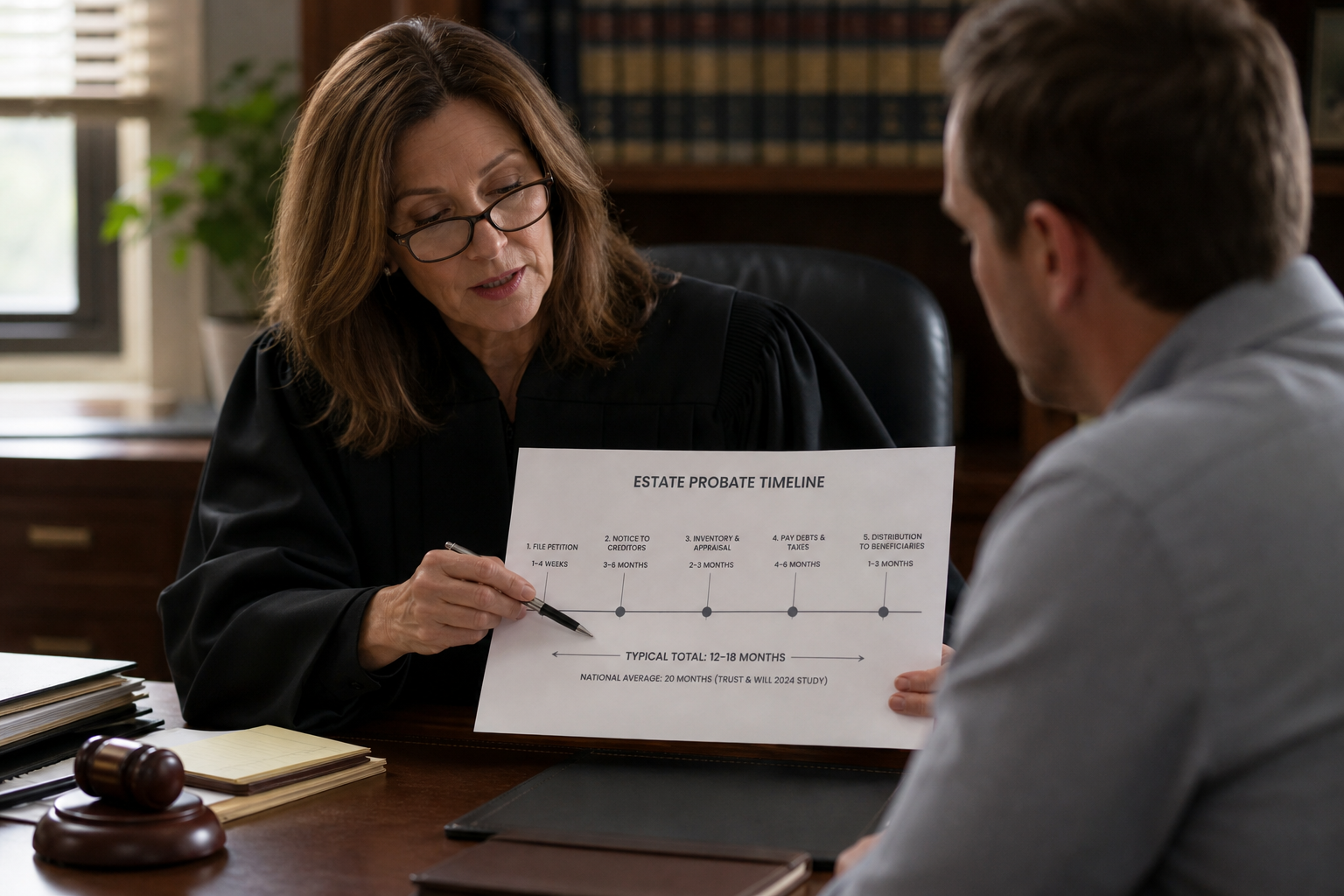
Most executors assume the hardest part is showing up. Then they find out about probate, asset transfers, creditor notifications, and the dozens of accounts that need to be closed or retitled. The average probate timeline is 20 months, and California routinely extends well beyond that.
Here is a quick look at what the settlement process typically involves:
| Task | What It Requires |
|---|---|
| Probate filing | Court appointment, legal documentation, jurisdiction-specific rules |
| Asset inventory | Locating financial accounts, property, vehicles, and personal property |
| Creditor notifications | Formal notice periods, claim review, and debt resolution |
| Tax filings | Final individual return, possible estate return, IRS coordination |
| Beneficiary distributions | Cannot begin until creditor claim deadlines expire |
| Account closures | Each institution has its own process and documentation requirements |
The executor role touches every one of these areas, and each one has real consequences if handled incorrectly. Distributing assets before the creditor claim period closes, for example, can expose an executor to personal liability.
Where Alix Fits In
Alix is a technology-backed service that handles the non-legal administrative side of estate settlement, the work that surrounds and supports what an attorney does. Attorneys handle licensed legal work: court filings, creditor notices, hearings, and formal accountings. Alix coordinates everything else, including asset discovery, document organization, account closures, property coordination, creditor management, tax coordination, and beneficiary communication across more than 100 administrative tasks.
If you are currently managing an estate alongside a full-time job, caregiving responsibilities, and your own grief, Alix gives you a dedicated specialist who takes on the weight of that process so you are not figuring it out alone.
Final Thoughts on Viewing Attire
Choosing what to wear to a viewing gets easier when you remember the goal is to blend in respectfully, not stand out. Clean, dark, well-fitted clothing in conservative cuts will carry you through almost any setting. If you're stepping into the executor role after the service, Alix takes the administrative side of estate settlement off your plate so you can focus on supporting your family instead of managing paperwork alone.
FAQ
What to wear to a viewing vs funeral?
A viewing allows slightly more flexibility than a funeral service. Dark trousers with a collared shirt or a modest dress in muted tones work well at a viewing, while a funeral typically calls for a suit or more formal attire, especially if held in a house of worship or followed by a graveside ceremony.
Can I wear jeans to a viewing?
Yes, but only dark wash, well-fitted jeans without distressing or embellishment, and only in casual or informal settings. Pair them with a blazer and polished shoes for men, or a dressy blouse and heeled flats for women to bring the look up to a respectful level.
What to wear to a viewing in the summer female?
A knee-length or midi dress in breathable fabric like linen or cotton in black, navy, or dark grey works well. Pair it with low-heeled sandals or flats and bring a lightweight cardigan since many funeral homes run their air conditioning cold.
What to wear to a viewing male casual?
Dark dress pants or chinos in navy, grey, or black paired with a button-down shirt in white, light blue, or pale grey read as respectful. Add a blazer or sport coat if you want to carry more formality, and stick with dark leather shoes or loafers rather than sneakers.
Can I wear white to a viewing?
In most Western Christian services, white is not traditional and may feel out of place. However, some cultural and religious traditions, including Hindu and Buddhist services, consider white the appropriate mourning color, so check the family's guidance or the obituary before deciding.
.png)
Related resources