Alix vs ClearEstate: Which Estate Settlement Service Is Right for You? (June 2026)
Most executors start by assuming estate settlement is manageable with the right tools and a good checklist. Then they get into it and realize the volume of coordination involved outpaces what a self-guided workflow can absorb.
That's the practical difference between Alix and ClearEstate. ClearEstate gives you an organized way to work through settlement yourself with advisor guidance and software tools.
Alix takes on the work directly, coordinating asset discovery, creditor claims, probate filings, property management, and tax coordination, with an attorney from Alix's network when the state requires one. The distinction that matters isn't features. It's whether the estate you're managing needs help with organization or help with execution.
Key Takeaways:
- ClearEstate offers guided software and checklists for estate settlement, but you handle most tasks yourself.
- Alix conducts active asset searches and manages creditor claims, real estate, and tax filing directly for you.
- ClearEstate's professional support is strong in Canada; U.S. executors get less hands-on coordination.
- Probate can stretch well beyond a year, and Alix coordinates that work alongside an attorney from their network, when required.
- Alix is built for multi-asset estates with complexity, including situations with trusts or small-estate affidavit eligibility
What Is ClearEstate?
ClearEstate is a Canadian estate settlement service that helps executors work through the administrative and legal steps involved in closing an estate. Founded in Montreal, the company serves both Canadian and U.S. estates, offering a mix of guided software tools and access to legal professionals depending on the jurisdiction and plan selected.
The service is built around a digital dashboard where executors can track tasks, store documents, and follow step-by-step checklists. In Canada, ClearEstate offers more hands-on legal support, including access to notaries and lawyers who can handle filings directly. In the U.S., the offering leans more toward self-guided software, with professional support available as an add-on rather than a core part of the service.
What ClearEstate Covers
ClearEstate's tools are designed to walk executors through the process in a structured way. Depending on the plan and location, the service can include:
- A task-based dashboard that organizes the settlement process into sequential steps, giving executors a checklist view of what needs to happen and when. The dashboard breaks settlement into phases — initial notifications, asset gathering, creditor management, tax preparation, and final distribution — so you can see where you are in the process at any given point.
- Document storage and organization, so that wills, account statements, death certificates, beneficiary designations, and other key records are accessible in one place throughout the process. You upload documents as you gather them, and the vault keeps them organized by category, not scattered across email folders and physical files.
- Access to legal professionals for filings, probate petitions, and creditor notices, primarily in Canadian provinces where notarial services are part of the offering. In Quebec and other provinces, this includes direct access to notaries who can handle filings on your behalf. In the U.S., legal access is more limited and typically means a referral or consultation rather than direct representation.
- Guidance on asset inventory, beneficiary communication, and final distributions, though the depth of hands-on support varies by plan. The service walks you through what to look for and how to document it, but the outreach to financial institutions and the follow-up work generally fall to you.
- An estate advisor who serves as your point of contact for questions throughout the process. The advisor can flag next steps, clarify what a particular task requires, and connect you to relevant professionals, though the coordination itself remains largely in your hands.
The overall model is structured self-service: ClearEstate provides the framework and guidance, and you work through the process with that support behind you. For executors who want more active help over a structured workflow, that distinction matters.
Where ClearEstate Is Positioned
ClearEstate tends to appeal to executors who want a structured, self-paced process with optional professional support instead of a fully managed service. The software-forward approach works well for estates that are relatively straightforward or for executors who are comfortable doing a meaningful portion of the administrative work themselves with guided help. For more complex estates involving real property, business interests, multiple financial accounts, or cross-border assets, the level of coordination the software provides may not be enough on its own.
ClearEstate's strongest service depth is in Canada, where notarial and legal support are built into the offering. U.S. executors using the service are likely to encounter a more software-forward experience, with professional support available as an add-on instead of a core part of the service, a distinction that may matter in states with detailed, jurisdiction-specific probate requirements.
What Is Alix?
Alix is an estate settlement service built for executors. Where most executors cobble together help from attorneys, accountants, and various online resources, Alix brings the full scope of settlement work into a coordinated process, supported by a dedicated specialist.
When you take on the executor role, the work ahead includes far more than signing a few forms. There are assets to locate and document, accounts to close, property to coordinate, creditors to contact and manage, tax filings to handle, and beneficiaries to keep informed, a sprawling administrative workload that must be handled in the right sequence. Alix handles that entire layer with the help of the legal and tax experts in their network.
The service is built around a few core capabilities:
- A dedicated estate specialist works with you directly throughout the settlement, so you are not bouncing between different representatives or re-explaining your situation each time you need help.
- Alix coordinates the full administrative workload, including asset discovery, document organization, account closures, property coordination, creditor management, fraud protection, transfers, tax coordination, and beneficiary communication.
- The process is designed to keep you in control. Alix does the heavy lifting, but you retain visibility and decision-making authority over every step.
- Alix works with attorneys, not as a replacement for them. Licensed legal work stays either with the attorneys in their network or your attorney if you bring your own; Alix takes on everything that surrounds it.
It is worth being direct about fit: Alix is built for estates with real complexity. If you are dealing with a straightforward situation that can be resolved with a single small-estate affidavit and one attorney meeting, it may not be the right match. For executors managing multi-asset estates, property, business interests, or drawn-out timelines, the coordination Alix provides is where the service earns its value.
Scope of Service and Who Does the Work
Both Alix and ClearEstate assign a dedicated specialist to guide you through the settlement process, but the scope of what each service actually handles differs in ways that matter once you're deep in the work.
ClearEstate pairs you with an estate advisor and provides access to a software dashboard where you can track tasks, upload documents, and coordinate with third parties. The advisor is there to guide you, answer questions, and flag next steps. The underlying model leans toward coaching and facilitation: you get structured direction and tools, but the outreach to financial institutions, creditor correspondence, property coordination, and document gathering still fall to you.
Alix operates as a full-service executor support layer. Your dedicated estate specialist handles the work directly alongside you, instead of advising you on how to complete it yourself. That includes:
- Asset discovery and document organization
- Account closures and creditor management
- Property coordination and beneficiary communication
- The full administrative workload that builds up during estate settlement
| Service Area | ClearEstate | Alix |
|---|---|---|
| Service Model | Advisor-guided software with checklists and a task dashboard for self-directed execution | Dedicated estate specialist handles administrative work directly alongside legal counsel |
| Asset Discovery | Structured checklist and document vault for you to track down assets yourself | Active searches conducted on your behalf, including outreach to institutions to uncover dormant accounts |
| Probate Coordination | Document templates and guided support with legal professional access in select jurisdictions | Coordinates full administrative process, utilizing an attorney from the Alix network when required, tracking deadlines and organizing required documentation |
| Creditor Management | Helps you track and organize creditor correspondence, but claim review and disputes fall to you | Handles outreach, documentation, claim review, dispute flagging, and payoff sequencing directly |
| Real Estate Handling | Guidance on what steps need to happen, but listing, repairs, and vendor management fall to you | Coordinates appraisals, listing timeline, sale management, and folds proceeds into estate accounting |
| Tax Coordination | Provides tax guidance and document organization to support the process | Works with CPAs to handle final returns, fiduciary returns, and federal estate tax returns where applicable |
What "Done For You" Actually Looks Like
The distinction between guidance and execution plays out in a few concrete areas:
- Creditor management: Alix handles the outreach, documentation, and follow-up required to resolve outstanding debts, including
fraud monitoring to detect identity theft targeting the estate. With a coaching model, you typically manage the correspondence yourself with guidance on what to do. - Property and asset transfers: Alix coordinates vehicle titles, financial account closures, real estate prep, and transfers as part of the settlement workflow. With ClearEstate, the advisor walks you through the steps, but the coordination is generally your responsibility.
- Tax coordination: Alix works alongside CPAs and tax professionals to organize and prepare the documentation the estate requires. ClearEstate offers guidance on what filings are needed and when.
- Beneficiary communication: Alix takes on the direct coordination with beneficiaries, including fielding questions about distribution timelines, explaining what each person is set to receive, and relaying status updates throughout the probate process — so you're not fielding every question yourself during an already demanding period.
Who This Is Right For
If your estate is relatively contained and you're comfortable managing the process with structured support and good software tools, ClearEstate's advisor-guided approach can work well. The coaching model suits executors who want clarity and organization more than hands-on help.
If the estate involves real property, multiple financial accounts, active creditor claims, or any meaningful complexity, the volume of coordination quickly outpaces what a guidance model can absorb. That's where Alix's direct involvement in the work makes a practical difference: the tasks get handled instead of assigned.
Asset Discovery and Estate Inventory
Finding every asset a decedent owned is often where executors stall first. Accounts go undiscovered, property gets overlooked, and the longer the search takes, the more complicated everything downstream becomes.

How ClearEstate Handles Asset Discovery
ClearEstate gives executors a structured checklist and document vault to track down what they can find. The process is largely self-directed: you follow the guidance, gather the paperwork, and upload what you locate. For executors who already have a clear sense of what the estate contains — a single checking account, a home, and a brokerage account the deceased managed actively — this approach works reasonably well. Where it falls short is when assets are hidden in plain sight, like old employer retirement accounts, forgotten brokerage holdings, or dormant bank accounts the executor never knew existed.
ClearEstate does not proactively search for unknown assets. If you don't know how to look for something, the checklist won't surface it for you.
How Alix Handles Asset Discovery
Alix conducts active asset searches on your behalf. Instead of handing you a list of questions and waiting for answers, Alix's specialists reach out to institutions directly, cross-reference records, and work to uncover accounts and property you may not have known to look for. This includes employer retirement accounts, old brokerage holdings at smaller institutions, insurance policies, safe deposit boxes, uncashed checks, digital assets, and financial accounts that may have gone dormant over years or decades.
The practical consequence of this difference is real. Estates often hold more than executors initially realize, and assets that go undiscovered don't just delay distribution; they can create personal liability for the executor if the estate is later found to have been distributed incompletely.
Beyond discovery, Alix organizes the full estate inventory into a structured format that feeds directly into downstream tasks: creditor notification, tax filings, and beneficiary distribution. You're not managing a loose stack of documents and hoping nothing slips through; the inventory becomes a working foundation for the rest of the settlement process.
For executors dealing with estates that include multiple financial accounts, real property, a business interest, retirement accounts from prior employers, or assets accumulated over decades, the difference between a passive checklist and an active search can be the difference between a complete settlement and a missed obligation.
Probate Coordination and Legal Filing Support
Probate is where estate settlement gets genuinely complicated. The filings are time-sensitive, the court requirements vary by county, and a missed step can delay distribution by months or expose you to personal liability. How each service handles this work is one of the most meaningful points of comparison between Alix and ClearEstate.

ClearEstate's Approach
ClearEstate provides guided probate support through a mix of document templates, checklist tools, and access to legal professionals in select jurisdictions. For executors who are comfortable doing much of the legwork themselves, this can be a workable starting point. The service helps you understand what needs to be filed and when, and connects you to attorneys for the licensed legal work.
That said, the depth of hands-on coordination varies depending on where the estate is located and the complexity of the filing requirements. In states or provinces with more involved probate procedures, you may find yourself doing more of the coordination than you expected.
How Alix Handles Probate
Alix provides a probate attorney from their network as part of their fee, or you can bring your own. The attorney handles the licensed legal work: court filings, creditor notices, formal hearings, and the accounting the court requires. The rest of your team at Alix handles the rest of the process that an individual lawyer doesn't do, that would otherwise fall on you. This includes coordinating directly with legal counsel so nothing falls through the cracks between legal work and execution.
In practice, this includes:
- Tracking probate deadlines and keeping the executor informed of what's coming and when, so filings don't get missed during an already demanding period.
- Organizing the documentation your attorney needs, from asset inventories to account statements, so legal counsel can move quickly without chasing paperwork.
- Managing creditor communications and claims during the probate window matters because distributing assets before the creditor-claim deadline expires can create personal liability for the executor.
- Coordinating with financial institutions, government agencies, and property holders in parallel with the legal process, instead of waiting for probate to close before starting that work.
The distinction worth noting is one of scope. ClearEstate gives you tools and access to help you manage probate. Alix coordinates the full process around it, including incorporating an attorney as a part of their fee when it's required.
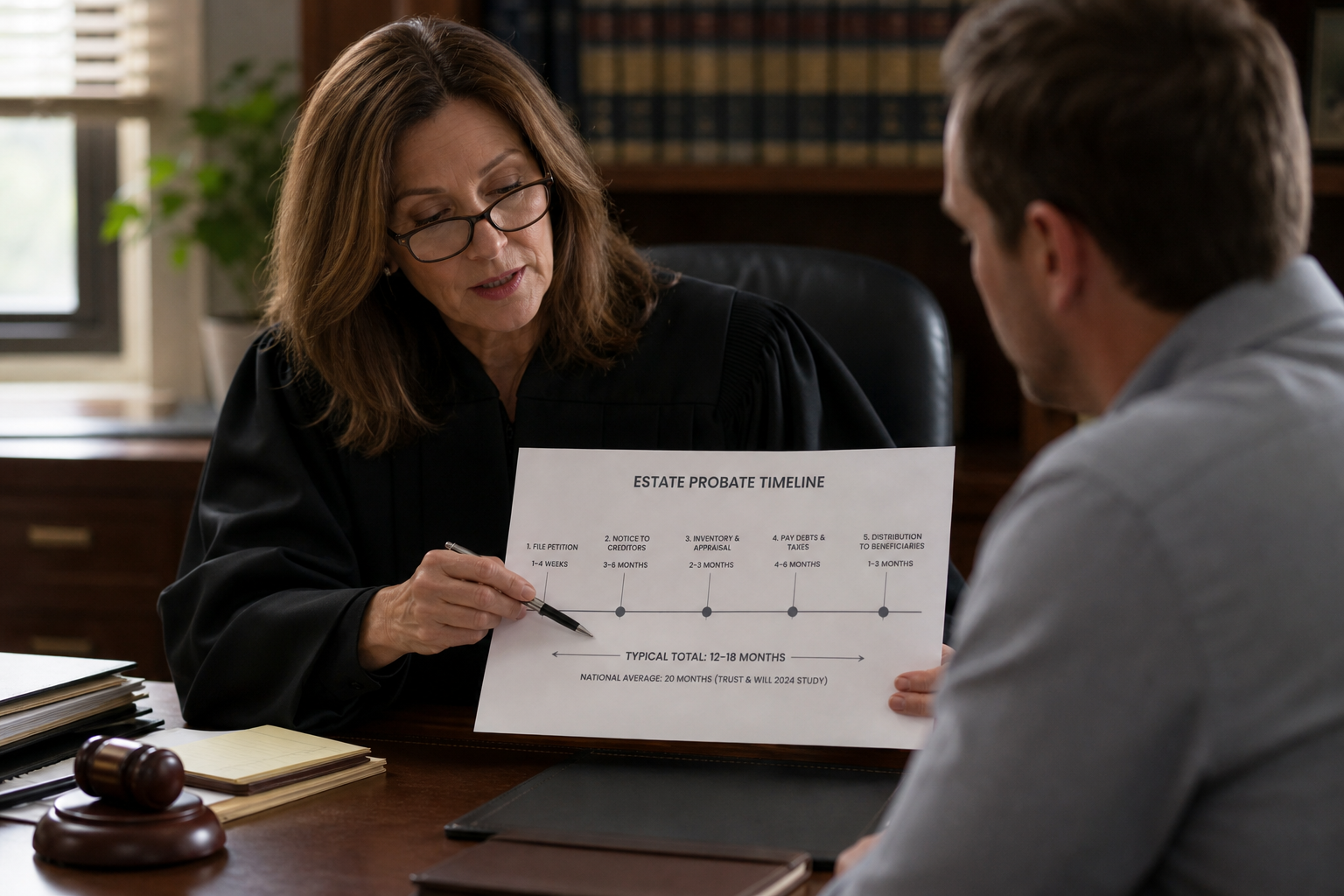
For estates going through formal probate, where timelines commonly run 12 to 18 months, and mistakes can cause lengthy delays, having expert help matters.
Real Estate, Creditor Management, and Tax Coordination
Three of the most demanding parts of any estate settlement are selling or transferring real property, managing creditor claims, and coordinating taxes. How each service handles these responsibilities says a lot about where it can genuinely help and where it falls short.
Real Estate Coordination
ClearEstate offers guidance on what steps need to happen with real property, but the actual execution, including listing the home, coordinating repairs, negotiating offers, and closing the sale, sits outside its scope. You are largely responsible for finding and managing the professionals involved.
Alix handles real estate coordination during settlement. That includes coordinating appraisals, managing the listing and sale timelines, working with real estate professionals, and integrating proceeds into the broader estate accounting. It also covers locksmith access, utility transfers, insurance continuation, and routine maintenance for the property during the settlement period. If the estate includes a home, you are not handed a checklist and left to figure out the vendors.
Creditor Management
Creditor management is one of the most legally exposed parts of an executor's responsibility. Notifying creditors, reviewing claims, disputing invalid debts, and managing the payoff sequence all carry personal liability risk if handled incorrectly.
ClearEstate helps you track and organize creditor correspondence, but the determination of which claims are valid, how to sequence payment, and how to respond to disputes falls to you or your attorney.
Alix manages the creditor process directly. That means organizing and tracking medical bills, credit card balances, mortgage servicer notices, and utility arrears, then reviewing incoming claims, flagging disputes, coordinating with legal counsel when claims require a formal response, and handling the payoff workflow to confirm the sequencing is correct before any distributions go out.
Tax Coordination
Most estates require at least a final income tax return for the decedent, and many require a fiduciary income tax return for the estate itself. Larger estates may also require a federal estate tax return, due nine months after the date of death.
ClearEstate provides some tax guidance and document organization to support the process, but tax preparation and filing is not included in the service.
Alix coordinates tax filing as part of the settlement, organizing prior-year returns, 1099s, cost-basis records, and account statements, then working with CPAs to handle the decedent's final return, the estate's fiduciary return, and, where applicable, the federal estate tax return due nine months after the date of death. The goal is to keep anything from falling through the gap between estate administration and tax work, because that is where estates tend to stall.
Why Alix Is the Better Choice
Alix falls into a different category than ClearEstate. Where ClearEstate gives you a structured workflow and a document library to work through on your own, Alix assigns you a dedicated estate specialist who coordinates the full scope of settlement on your behalf.
That distinction matters because most executors aren't short on information. They're short on time, bandwidth, and confidence that nothing is falling through the cracks. Having a real person who knows your file, tracks every open item, and takes action without you needing to prompt them is a meaningfully different experience from logging into a checklist.
Here's what that looks like in practice:
- Your specialist handles asset discovery across financial accounts, real property, vehicles, and digital accounts, including the ones you don't yet know about.
- Creditor outreach and negotiation are managed for you, which protects you from inadvertently distributing assets before outstanding claims are resolved and triggering personal liability.
- Probate coordination happens with licensed legal counsel, and Alix's experts handling the administrative side.
- Beneficiary communication is handled so everyone stays informed without putting you in the middle of every question and follow-up.
- Tax coordination, account closures, property management, and transfers are all folded into one process instead of scattered across vendors you have to manage separately.
Alix is worth considering seriously if the estate you're settling has real complexity: multiple assets, property in more than one state, a surviving spouse, or beneficiaries who need careful coordination. That's the situation where a managed, end-to-end service pays off versus a self-guided workflow.
Final Thoughts on Finding the Right Fit for Your Estate
ClearEstate is a solid option if you're settling a smaller estate and are comfortable handling most tasks with software support and occasional guidance. Alix is designed for the estates that look manageable at first and turn out to have layers: property sales, creditor negotiations, probate timelines, tax coordination, and beneficiaries who need updates without you in the middle of every conversation. Connect with an Alix specialist to talk through what you're dealing with and whether the service makes sense for your situation.
FAQ
How do I decide between Alix and ClearEstate for my estate?
The decision comes down to how much hands-on work you want to manage yourself. If the estate is relatively straightforward and you're comfortable coordinating with structured guidance and software tools, ClearEstate's advisor-led model can work. If the estate involves real property, multiple financial accounts, creditor claims, or meaningful complexity, and you want someone to handle the work directly, Alix is the better fit.
What's the main difference in how each service handles asset discovery?
ClearEstate provides a checklist and document vault to help you track down assets yourself, which works if you already know what the estate contains. Alix conducts active searches on your behalf, reaching out to institutions directly to uncover accounts and property you may not know exist, including dormant accounts, old employer retirement plans, forgotten brokerage holdings, safe deposit boxes, uncashed checks, and digital assets.
Who is each service best for?
ClearEstate works well for executors managing simpler estates who prefer a self-guided process with coaching support and don't mind doing much of the administrative work themselves. Alix is built for executors dealing with multi-asset estates, real property, business interests, or drawn-out timelines who need a dedicated specialist to handle the full administrative workload alongside legal counsel.
Can ClearEstate's U.S. service provide the same level of support as its Canadian offering?
ClearEstate's strongest service depth is in Canada, where the company offers more hands-on legal support, including access to notaries and lawyers who handle filings directly. In the U.S., the service is more software-forward, with professional support available as an add-on instead of a core part of the offering, a distinction that may matter in states with detailed, jurisdiction-specific probate requirements.
What happens if I start with one service and realize I need more support?
If you begin with a guided model and later find the volume of coordination outpacing what you can manage, you can switch to a full-service option, though you may lose time restarting the process with a new specialist. For estates with any real complexity, starting with the level of support you'll need at the most demanding phase saves you from making decisions you can't walk back later.
.png)
Related resources