After a Death: What to Do First
Someone you love has died, and there is a list of things you are supposed to do, except no one handed you the list. You are not sure what is urgent, what can wait, or whether you are even allowed to act.
After a Death: What to Do First and What Comes Next
Someone you love has died, and there is a list of things you are supposed to do, except no one handed you the list. You are not sure what is urgent, what can wait, or whether you are even allowed to act.
The first days after a death are a small set of concrete tasks: pronounce the death, freeze credit, secure the home, notify family, and find any will or trust. The longer work, like probate and debts, comes after and runs for months. You do not have to do it all this week.
The First Days: Immediate Steps
Work through these in roughly this order, at your own pace:
- Get the legal pronouncement, then start the death certificate. In a hospital, hospice, or facility, staff handle the pronouncement, and the funeral home requests the certificate. At home or somewhere unexpected, call 911 first; a medical examiner may need to pronounce it. A certified copy is your proof of death for banks, insurers, and courts.
- Tell immediate family and close contacts. Reach the people who need to hear it from you directly, then loop in extended family and an employer.
- Freeze credit with all three bureaus. Contact Experian, Equifax, and TransUnion. Identity thieves target people who have just died, and a freeze is fast, free, and closes that door.
- Secure the home and property. Lock the home, bring in mail and valuables, and keep insurance and utilities active so nothing lapses into a bill for the estate. Arrange care for any children or pets who depended on your loved one.
- Find any will, trust, or estate documents. Check a home safe, a filing cabinet, a safe deposit box, or their attorney. The will names the executor; a trust names a trustee.
- Order certified copies of the death certificate. We recommend 10 to 15, depending on the estate's complexity, since institutions often keep whatever copy you hand over. Ask first if a scan works instead; more accept that now.
- Notify Social Security and other key institutions. Contact the Social Security Administration and any employer or pension plan soon. The bank can wait, since notifying it locks the family out until probate is established.
- Hold off on distributing anything. You may want to hand a sibling their father's watch, but nothing should move yet. The court must confirm who is in charge, and the debts must be settled first.
If there is no will, the court usually appoints someone first. See what to do when there is no will.
Documents You Will Need
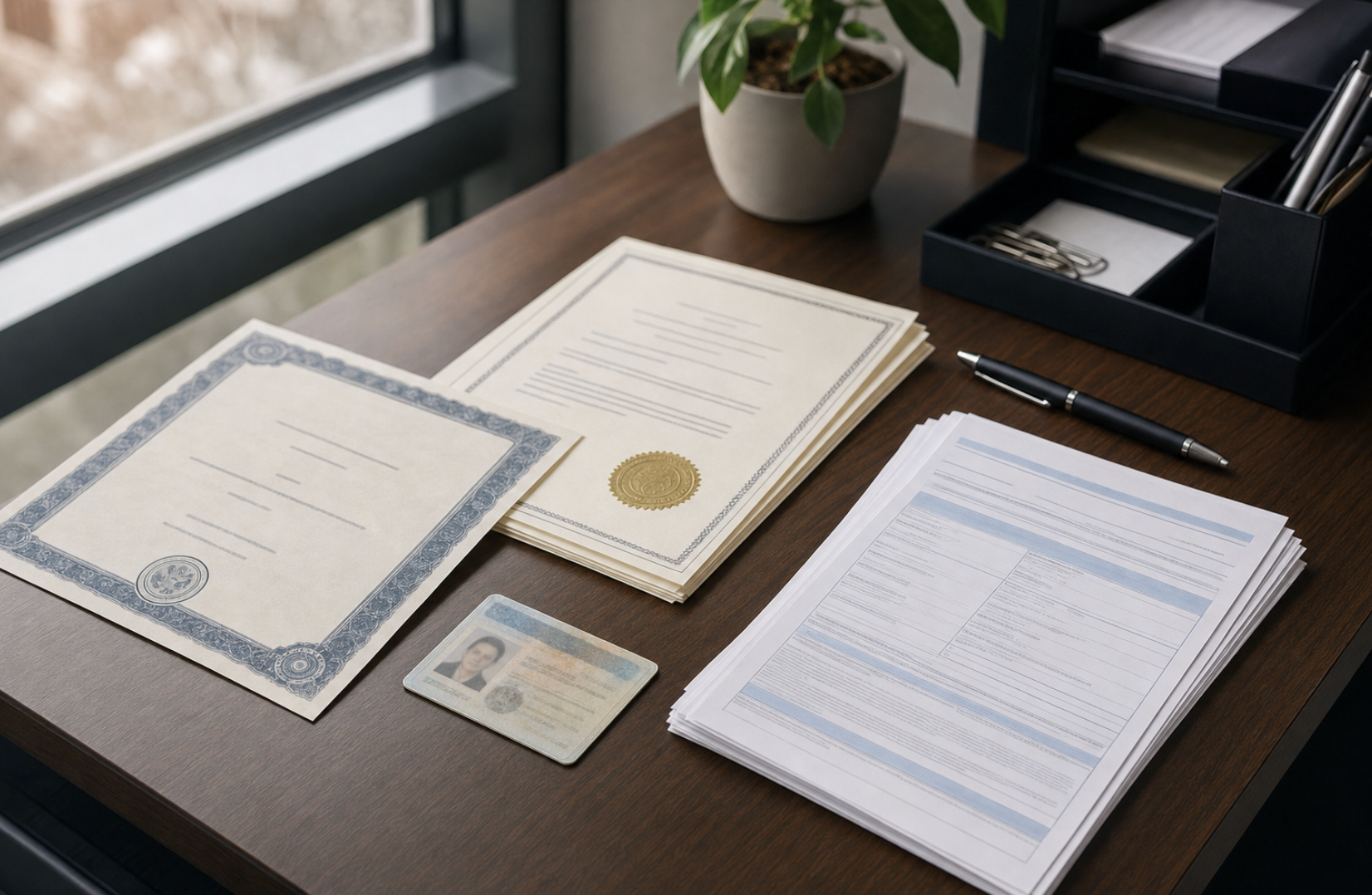
Gather these early so you are not chasing them later:
- Certified death certificates (originals, though some institutions now accept scans)
- The will, which names the executor and how assets pass
- Account statements for banks, brokerages, and retirement accounts
- Your loved one's Social Security number and government ID
- Property deeds, vehicle titles, and insurance policies
Banks want the certificate plus proof of your authority. Social Security wants the number, and the court wants the original will. Keep one folder for all of it.
Powers That End at Death
A power of attorney lets you act for someone living; it does not survive their death, in any state.
What replaces it is the authority of an executor or administrator. The court grants that authority through appointment papers, with one version used when there is a will and another when there is not. Until then, no one can close accounts or transfer assets. See what happens to power of attorney after death.
When There Is a Trust
If your loved one held assets in a living trust, the trustee usually settles those, often without probate court, paying valid debts and distributing what remains under its terms.
A trust rarely covers everything. Accounts opened after the trust was set up, jointly held accounts, life insurance without an updated beneficiary, and anything only in your loved one's name usually sit outside it. Those pieces may still need probate, so many estates run both at once. See how to settle a trust.
The Longer Settlement
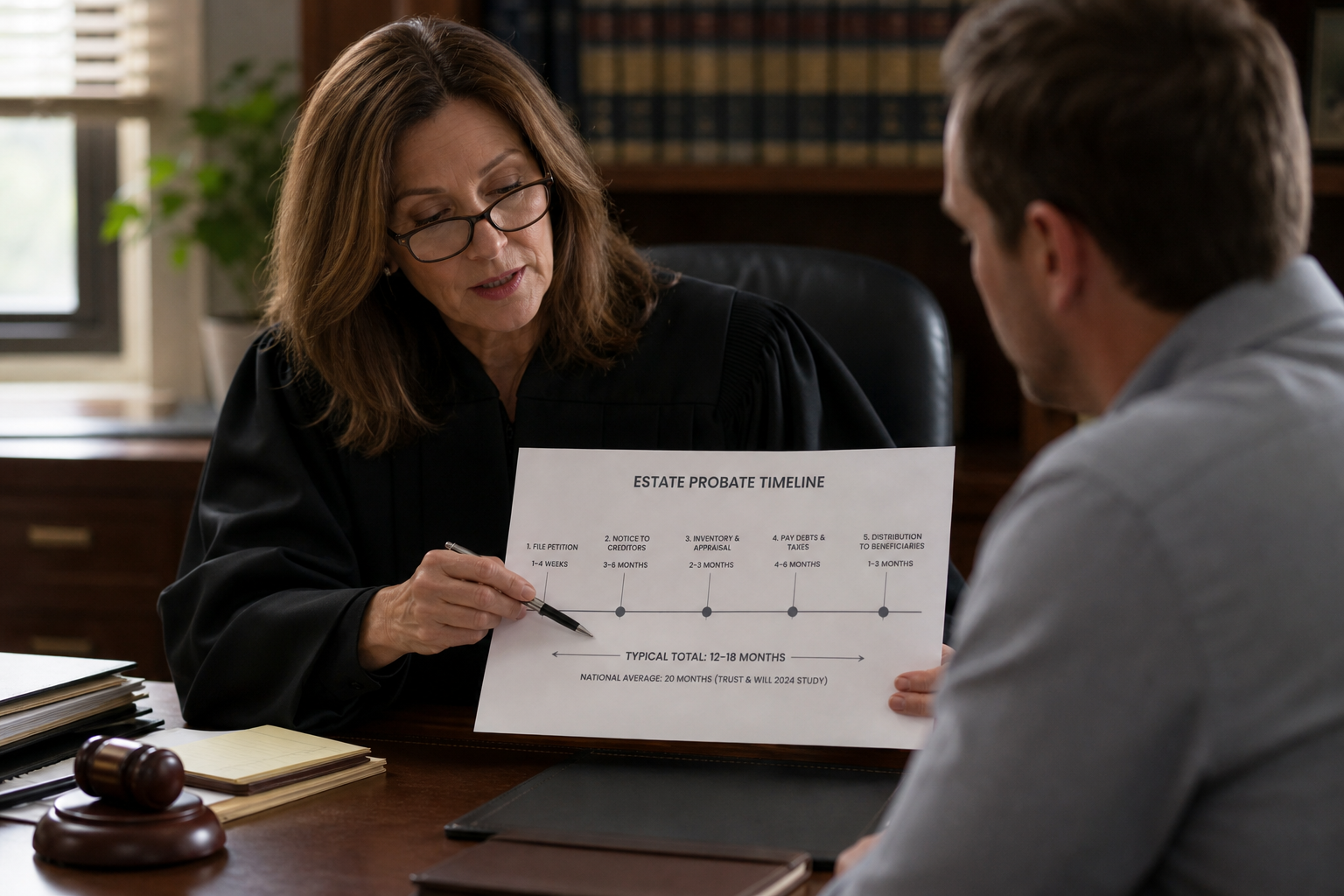
Once the immediate steps are done, the estate enters a longer phase, typically 12 to 18 months, sometimes longer for contested estates. The executor or administrator:
- Opens probate if required
- Inventories and values the assets
- Notifies creditors and pays valid debts
- Files final income and estate tax returns
- Transfers what remains to the beneficiaries
This depends on the estate's size and your state's rules; small estates often qualify for simplified procedures. Start with the estate settlement overview and the probate guide.
How Alix Helps
Alix is a comprehensive estate settlement service that works with legal counsel to do the heavy lifting. An Alix Estate Settlement Specialist handles non-legal operational work such as document organization, account closures, creditor management, fraud protection, tax coordination, transfers, and family updates. The funeral home, medical examiner, or responsible government office handles the death-certificate process.
Licensed attorneys handle court filings, creditor notices, hearings, and formal accountings. You can use your own attorney, or an attorney from Alix's network is included in Alix's one transparent fee. Alix does not practice law or make your decisions for you.
If you do not want to manage all of those moving parts alone, Alix takes on the settlement work from start to finish.
Related Guides
- What to do when there is no will
- What happens to power of attorney after death
- How to settle a trust after a death
- The estate settlement process
Frequently Asked Questions
What is the first step in settling an estate after someone dies?
Get the legal pronouncement, then start the death certificate through the funeral home or medical examiner. Almost every later step in settling the estate needs a certified copy.
How many certified death certificates should I order?
We recommend 10 to 15, depending on the estate's complexity. Institutions often keep the copy you give them, so ordering extra now beats going back later. Ask first: many now accept a scan instead of an original.
Can I use power of attorney to handle things after the death?
No. A power of attorney ends when the person dies, in every state. Authority then comes from court appointment papers proving that you can act as executor or administrator.
Do I have to go through probate if there is a trust?
Often not for the trust assets, which the trustee usually settles outside court. Accounts that were never moved into the trust may still require probate.
Who can act if there is no will?
The court usually appoints an administrator, with priority in many states to the surviving spouse, then adult children, then other close relatives. Until then, no one can transfer the estate's assets.
How long does settling an estate take?
A straightforward estate often closes in six to nine months; larger or contested estates can run 18 months or more. First-days tasks are quick; probate and taxes take the time.
---
.png)
Related resources