Estate Settlement: How to Settle a Loved One's Estate
Someone close to you has died, and you are the one left to settle everything they owned and everything they owed. There are accounts to close, a home to secure, bills still arriving, and family members already asking when things will be sor
Estate Settlement: How to Settle a Loved One's Estate
Someone close to you has died, and you are the one left to settle everything they owned and everything they owed. There are accounts to close, a home to secure, bills still arriving, and family members already asking when things will be sorted out. You may not even know whether you are allowed to act yet, or whether a court has to be involved.
Estate settlement means identifying and valuing your loved one's assets, paying what they owed, and transferring what's left, in or out of court. Some estates are settled almost entirely through paperwork; others need a judge to appoint someone first.
To be specific: assets are the bank and investment accounts, real estate, retirement funds, life insurance, vehicles, and personal property your loved one owned. Debts are the mortgage, credit cards, medical bills, and unpaid taxes they owed. Both get valued before anyone receives an inheritance, since debts get paid first.
Estate settlement vs probate
These two terms aren't the same. Settlement is the whole job: finding assets and debts, valuing them, paying what's owed, and getting property to the right people. Probate is the court-supervised part of that job, and only some estates need it.
Asset ownership determines whether the court must be involved. Accounts with a named beneficiary, or property owned together with survivorship rights, can pass outside court. A house in only your loved one's name, or an account with no beneficiary, may need court authority. Smaller estates may qualify for a simplified path, called a small estate affidavit.
To work out whether the court must be involved, start with probate and when probate is required.
The estate settlement process
Here's roughly what most estates go through. Your state might name or order a step differently, and that's normal. Follow whatever your court or bank tells you, and use this list to see what's still ahead.
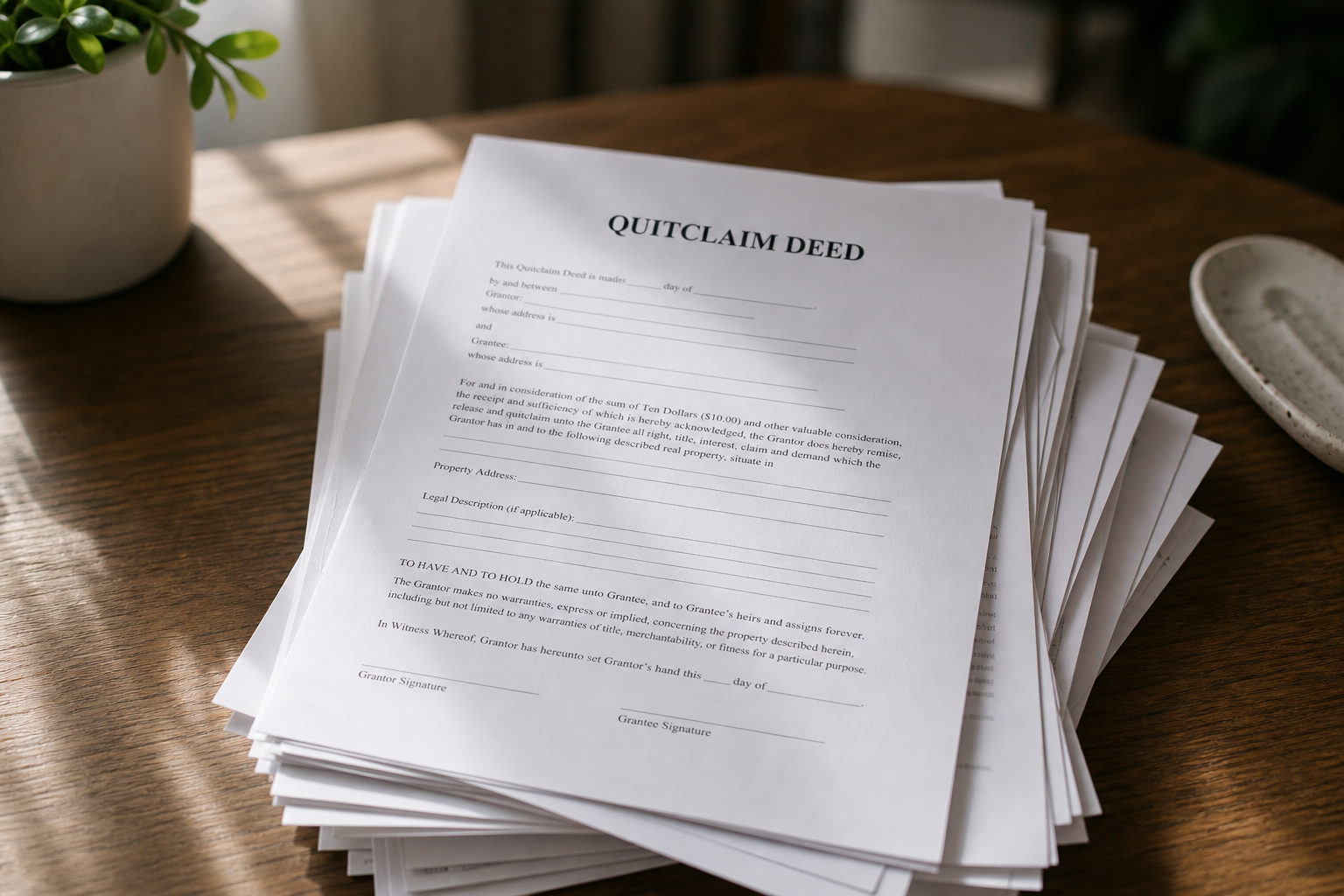
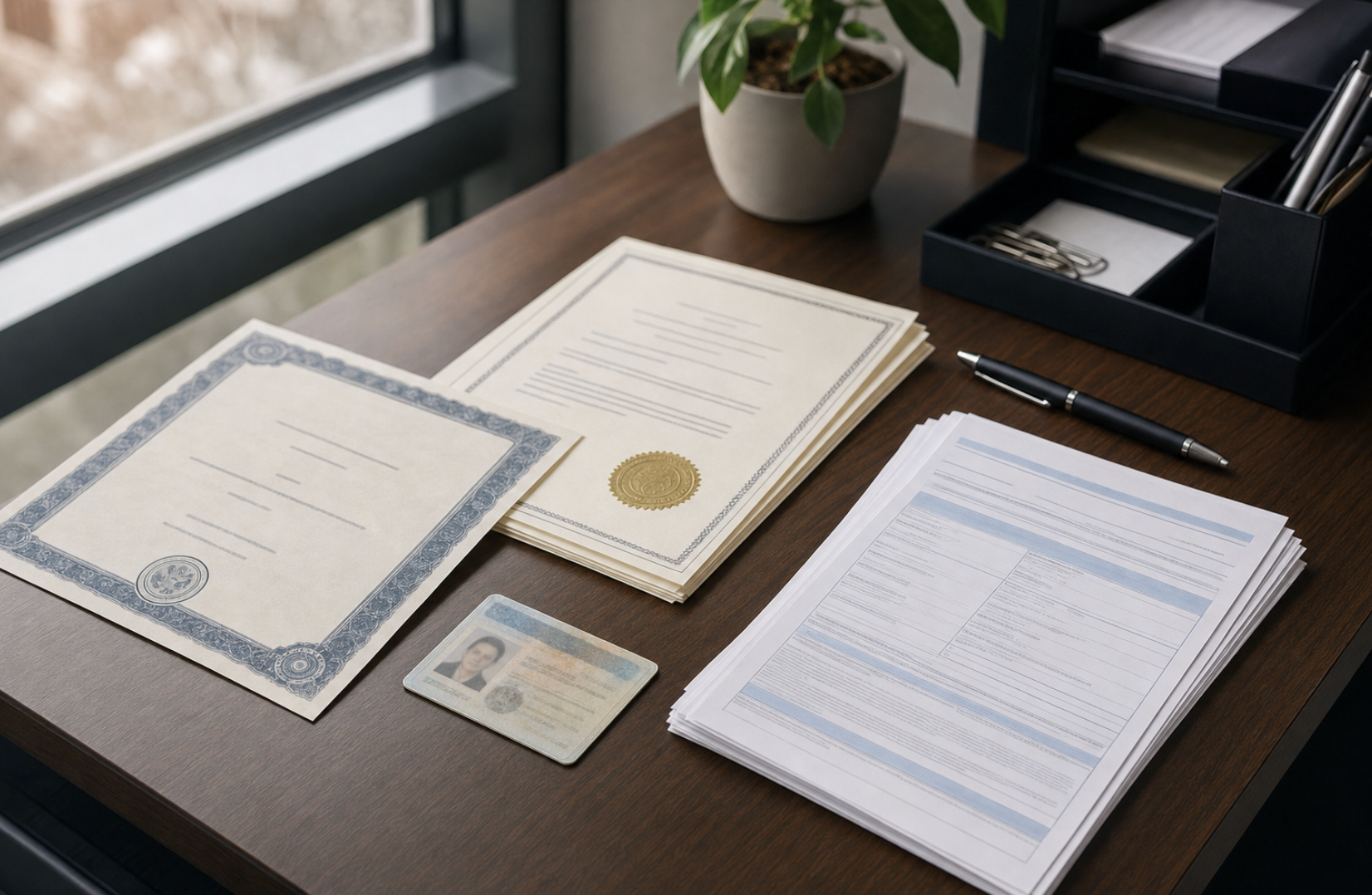
- Secure documents and property. Lock the home, keep insurance active, and collect the will, statements, and deeds. Order several certified death certificates; banks require originals.
- Find the will. Check home files, a safe deposit box, and any attorney your loved one used. With no will, the state's default inheritance rules decide who receives the estate, and the court appoints an administrator.
- Identify the assets and whose name is on each. List accounts, real estate, retirement funds, insurance, vehicles, and personal property, noting the name and beneficiary on each.
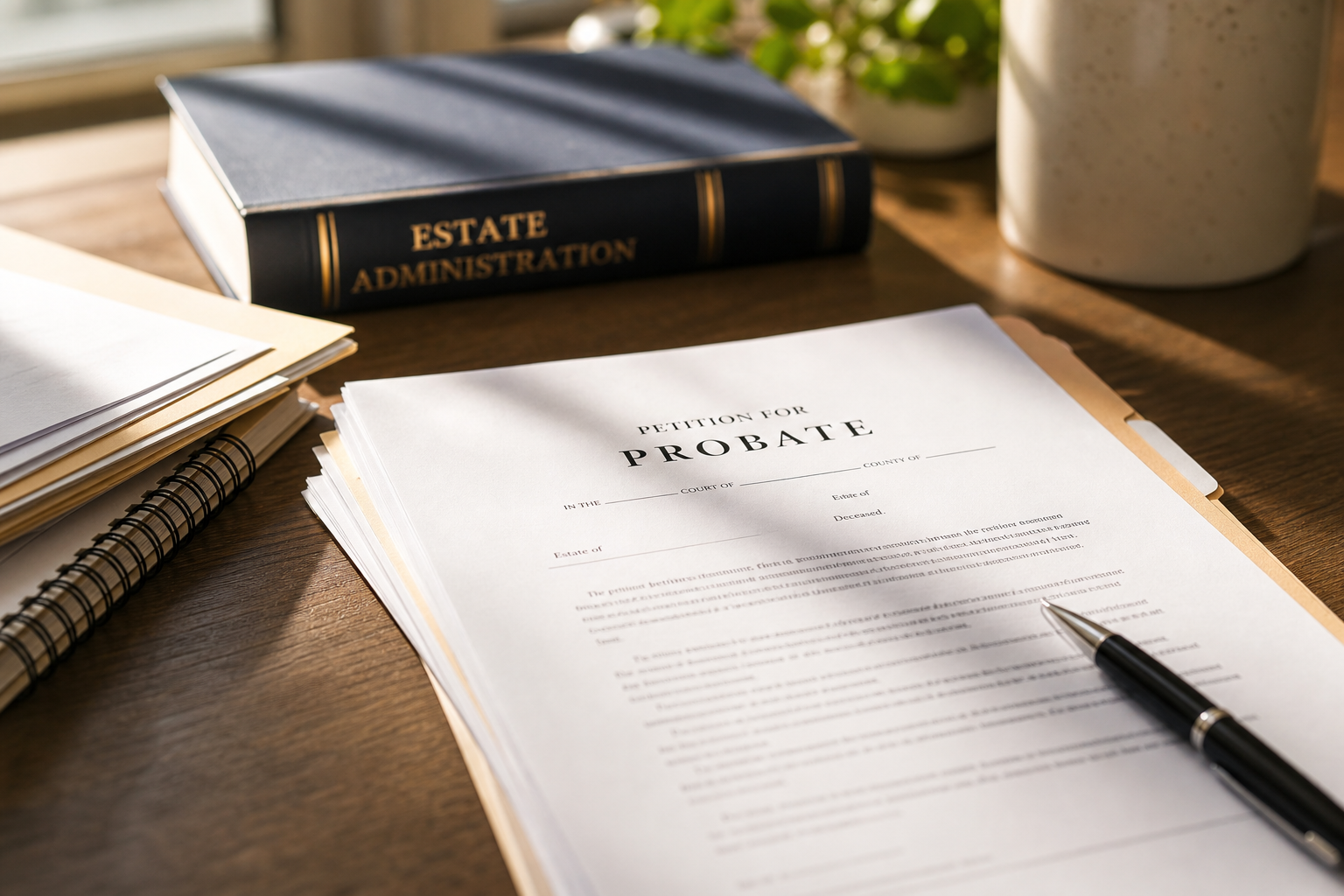
- Get authority if needed. The court issues appointment papers for an executor (with a will) or an administrator (without one). Institutions require this proof before releasing assets.
- Notify institutions and creditors. Tell banks, insurers, agencies, and creditors. Many states require a published notice, opening a claims window.
- Pay debts and taxes. Pay valid claims in the priority your state requires, then file the final personal and, if applicable, estate return.
- Distribute what remains. Transfer assets to the beneficiaries named in the will, or the legal heirs if none, with a signed receipt for each.
- Keep records and close. Keep a record of every dollar in and out. File a closing report if the court is involved, then ask the court to formally release you from the role.
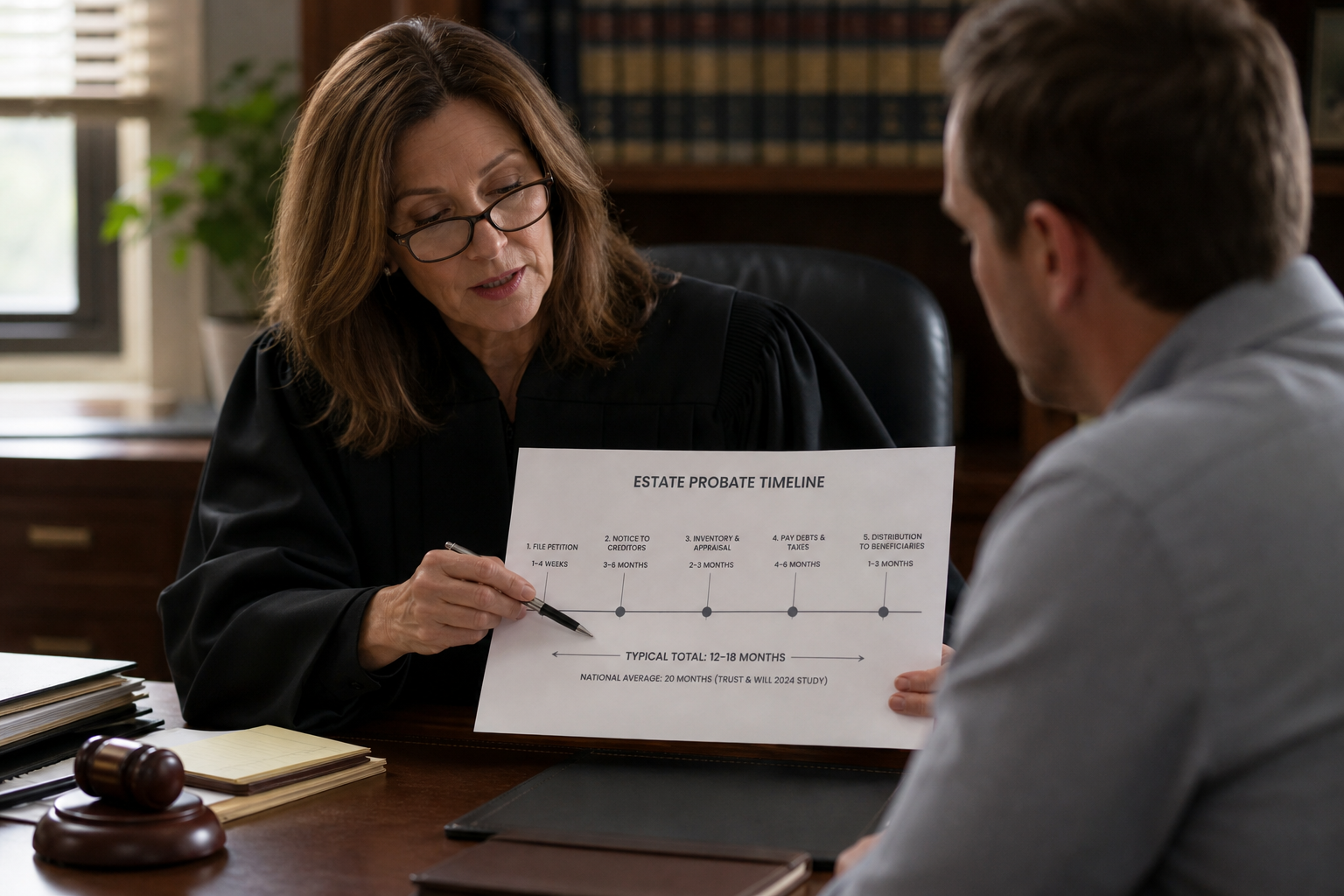
A rough timeline, at a glance
Phase: Protect and secure
Typical timing: 1-2 weeks
Phase: Find the will, list assets
Typical timing: Weeks 2-6
Phase: Get court authority
Typical timing: 4-8 weeks, longer if contested
Phase: Notify creditors, pay claims
Typical timing: Often 3-6 months
Phase: Distribute and close
Typical timing: Final months
A simplified placeholder; our design team is building the full visual version next.
How long it takes and what it costs
Most estates take several months to well over a year. The creditor-claim period, a property sale, tax filings, and any dispute can all extend the schedule. Use the timeline above as a planning view, then confirm the controlling deadlines with the local court.
Cost follows the same pattern. Simple estates often run a few thousand dollars in filing and professional fees; complex or contested ones can run into the tens of thousands. These come from the estate, not your pocket. See probate cost and probate legal fees.
Who does the work
The person responsible is the executor named in the will or the administrator appointed when there is no executor. Either way, that person has a legal duty to act in the estate's best interest and keep careful records.
Licensed counsel handles legal work when a will is contested, property spans more than one state, or the court requires formal filings. A tax professional handles unfamiliar individual, estate-income, or estate-tax returns. See the executor hub and executor checklist.
Common mistakes
- Distributing too early. Paying beneficiaries before debts and taxes clear can leave you personally liable.
- Missing a deadline. Creditor windows and tax filings run on their own clocks, often at once; missing one can mean penalties or a reopened estate.
- Mixing estate and personal money. Pay estate expenses from a dedicated account, never your own.
How Alix helps
Alix is a comprehensive estate settlement service that works with legal counsel to do the heavy lifting. An Alix Estate Settlement Specialist handles non-legal operational work such as asset discovery, document organization, account closures, creditor management, tax coordination, transfers, and beneficiary communication.
Licensed attorneys handle court filings, creditor notices, hearings, and formal accountings. You can use your own attorney, or an attorney from Alix's network is included in Alix's one transparent fee.
If you do not want to manage all of those moving parts alone, Alix takes on the settlement work from start to finish.
Related guides
- Estate administration, the step-by-step process
- Probate, when it applies
- Executor, the role and what to do first
- After a death, the first tasks
Frequently asked questions
Do all estates have to go through probate?
No. Assets with a named beneficiary, payable-on-death accounts, and jointly held property often transfer outside court, and many states offer a simplified process for smaller estates. Confirm with your local court, since rules vary.
Do I need a lawyer to settle an estate?
Not always. Licensed counsel is especially important for a contested will, property in another state, or legal questions the court will not let a non-lawyer handle. A tax professional can review an unfamiliar return. See do I need a lawyer for probate.
Who is responsible for settling an estate?
The executor named in the will is generally responsible. If there is no will, the court appoints an administrator. Both take on the same core job, with a duty to act carefully and keep records.
What happens if there is no will?
The estate still has to be settled, but the state's default inheritance rules decide who receives it instead of the person's own wishes. The court appoints an administrator. See after a death without a will.
.png)
Related resources