What Is Probate? How the Probate Process Works
Probate is the court-supervised process for handling assets that were still in your loved one's name when they died. It provides a route for transferring those assets to the people who inherit them. In its strict...
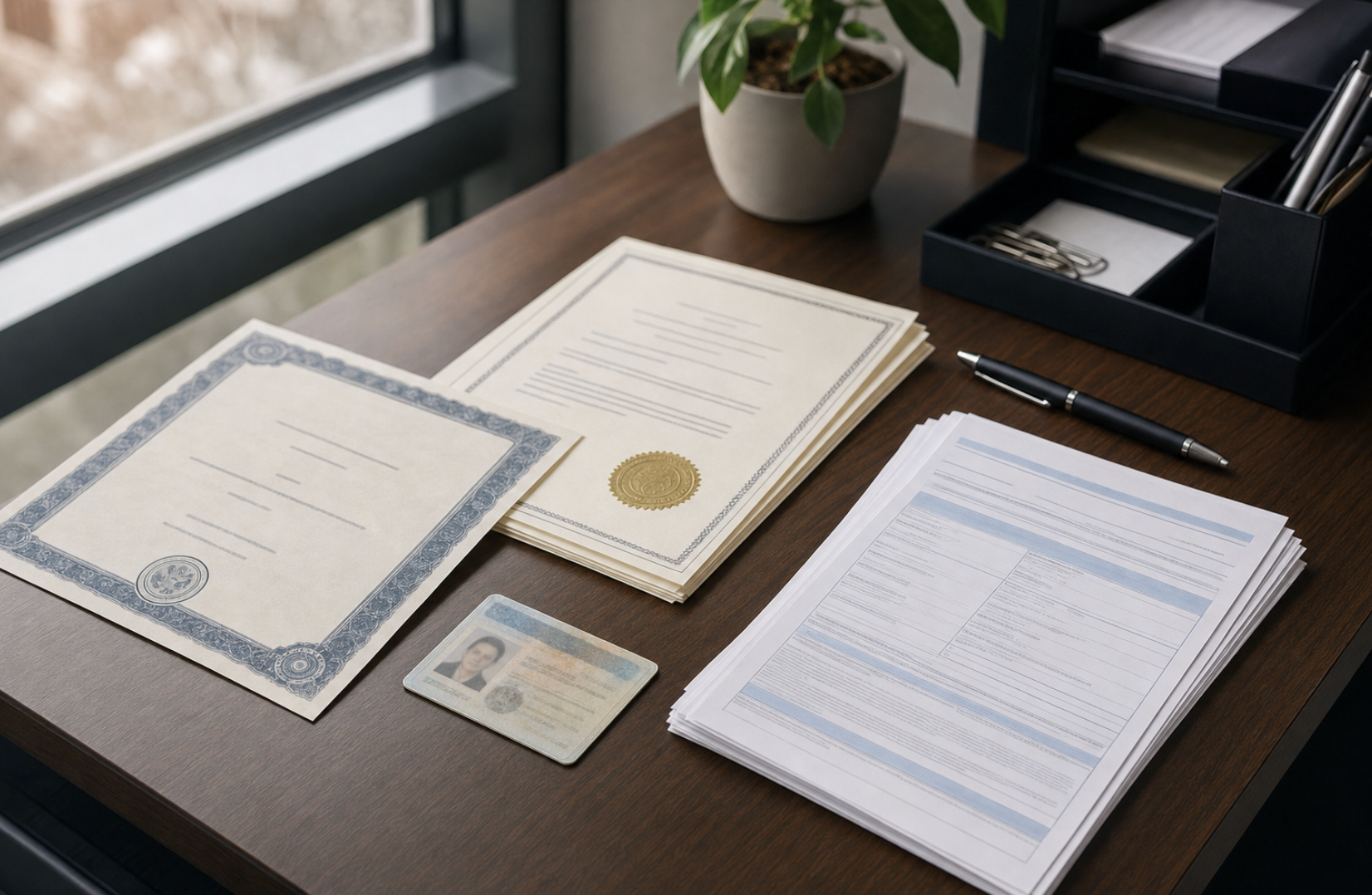
Probate is the court-supervised process for handling assets that were still in your loved one's name when they died. It provides a route for transferring those assets to the people who inherit them. In its strict sense, probate means proving that a will is valid. In everyday use, the word often describes the wider court case, from appointing someone to act through closing the estate.
Probate can happen with or without a will, and not every asset goes through it. That distinction matters when you are also protecting a home, answering questions from relatives, and trying to learn what authority a bank or court needs.
Start by asking one question about each asset. Can it transfer through a joint owner, named beneficiary, trust, or simplified state procedure, or is court authority required? This page gives you that map and routes timing, cost, court, lawyer, and asset questions to the right Alix guide.
What does probate mean in simple terms?
Probate gives a court-authorized person the power to handle property that cannot otherwise be collected, sold, or transferred after a death. The case may also establish whether a will is valid, notify people who may inherit, address valid bills and taxes, review records, and approve distributions.
The estate means the property, money, rights, and obligations being handled after death. Probate controls only the part of that estate that needs court authority. It does not automatically control assets that pass under a beneficiary form, survivorship rule, or trust. That distinction leads to the practical question of which assets actually require probate.
When may probate be needed, and which assets go through it?
Probate may be needed when an asset was owned only by your loved one and no valid document or state procedure provides another transfer route. Ownership records and contracts matter more than whether the asset appears in a will.
| Asset situation | Common route | What you need to verify |
|---|---|---|
| Bank or brokerage account in one name with no beneficiary | May require probate | Account registration, beneficiary record, and small-estate rules |
| Account with a valid POD or TOD beneficiary | Usually transfers to the named person | Current designation and the institution's claim requirements |
| Joint property with survivorship rights | Usually transfers to the surviving owner | Deed or account agreement |
| Property held in a properly funded trust | Managed under the trust | Ownership record, trust terms, and trustee authority |
| Retirement account or life insurance with a living beneficiary | Usually transfers by contract | Beneficiary status and claim documents |
| House, vehicle, or business interest owned individually | May require probate or an asset-specific procedure | Deed, title, ownership agreement, location, and state rules |
These are routes to investigate, not guaranteed outcomes. Build an asset list, attach the ownership or beneficiary record to each item, and confirm the transfer instructions. Use the probate and non-probate assets guide for a deeper asset-by-asset review. After identifying the assets that may need probate, the next distinction is whether a will supplies the distribution instructions.
What changes when there is or is not a will?
A will changes the source of the distribution instructions, but it does not decide whether every asset needs probate. Without a valid will, state inheritance law decides who receives probate property.
| Question | With a valid will | Without a valid will |
|---|---|---|
| Who may manage the case? | The will usually nominates an executor; the court decides whether to appoint them | The court appoints an administrator under state rules |
| Who receives probate property? | The will provides instructions, subject to debts, taxes, family protections, and other law | State inheritance law determines the heirs and shares |
| What does not change? | Court authority may still be required | Beneficiary, joint-owner, trust, and simplified transfer routes may still apply |
An executor is the person usually named in a will and appointed by the court. An administrator performs a similar court-authorized role when no executor is available, often because there is no will. The exact titles and procedures vary by state. Once the will status and appointment route are clear, the probate process moves through the court stages themselves.
How does the probate process work?
A full probate commonly moves through eight connected stages. The probate court guide explains the court's role in more detail.
1. Identify the court and procedure
Confirm the state and county with authority over the case. Then check whether the estate qualifies for formal, informal, supervised, summary, or other local procedures.
2. File the opening documents
The opening packet may include a petition, death certificate, original will, family information, and an initial asset estimate. Local forms, filing charges, hearings, bonds, and original-document rules differ.
3. Receive authority to act
The court appoints the executor or administrator and issues papers proving that person's authority. Being named in a will alone may not give a bank, title office, or other institution enough authority to accept instructions.
4. Give required notices
The representative follows local rules for notifying people who may inherit and creditors, meaning people or organizations claiming the estate owes them money. Keep proof of every mailed, delivered, or published notice.
5. Identify, value, and protect property
Find accounts, houses, vehicles, belongings, business interests, refunds, and digital assets. Confirm which items belong in the court case, protect them, keep insurance current, and obtain supported values where required.
6. Review expenses, claims, and taxes
Record bills such as medical charges, credit cards, mortgages, utilities, and taxes. Pay only valid obligations in the order state law requires. The final personal income-tax return is separate from any return required for income the estate earns.
7. Prepare records and distributions
Show what came into the estate, what was paid, and what remains. Giving property to beneficiaries too early can leave the executor personally responsible if a later bill, tax, or valid claim creates a shortfall.
8. Transfer property and close the case
After approval when required, transfer the remaining money and property, collect receipts, complete closing filings, and retain the final records. Follow the executor settlement guide for the work that continues outside the court case. This sequence explains what happens; the next distinction is who handles each part of probate.
Who handles what during probate?
Probate involves different people because court decisions, legal work, tax work, and operational estate tasks are not the same job.
| Role | Primary responsibility |
|---|---|
| Executor or administrator | Makes estate decisions and fulfills the duties assigned by the court and state law |
| Probate court | Confirms authority and supervises the parts of the case that require court action |
| Licensed attorney | Handles legal advice, filings, representation, hearings, and disputes |
| Tax professional | Determines which returns apply and handles tax advice and preparation |
| Estate Settlement Specialist | Handles the broader operational workload across documents, accounts, property, bills, records, transfers, and beneficiary updates |
Alix is a Done-for-You estate settlement company that manages the complete process from start to finish, with legal support included. Your Estate Settlement Specialist handles more than 150 operational tasks. Licensed attorneys handle the work that requires a lawyer. You can use an attorney from Alix's network, included in one transparent fee, or your own attorney. The procedure, property, and professionals involved then determine how long probate takes and what it costs.
How long does probate take, and what can it cost?
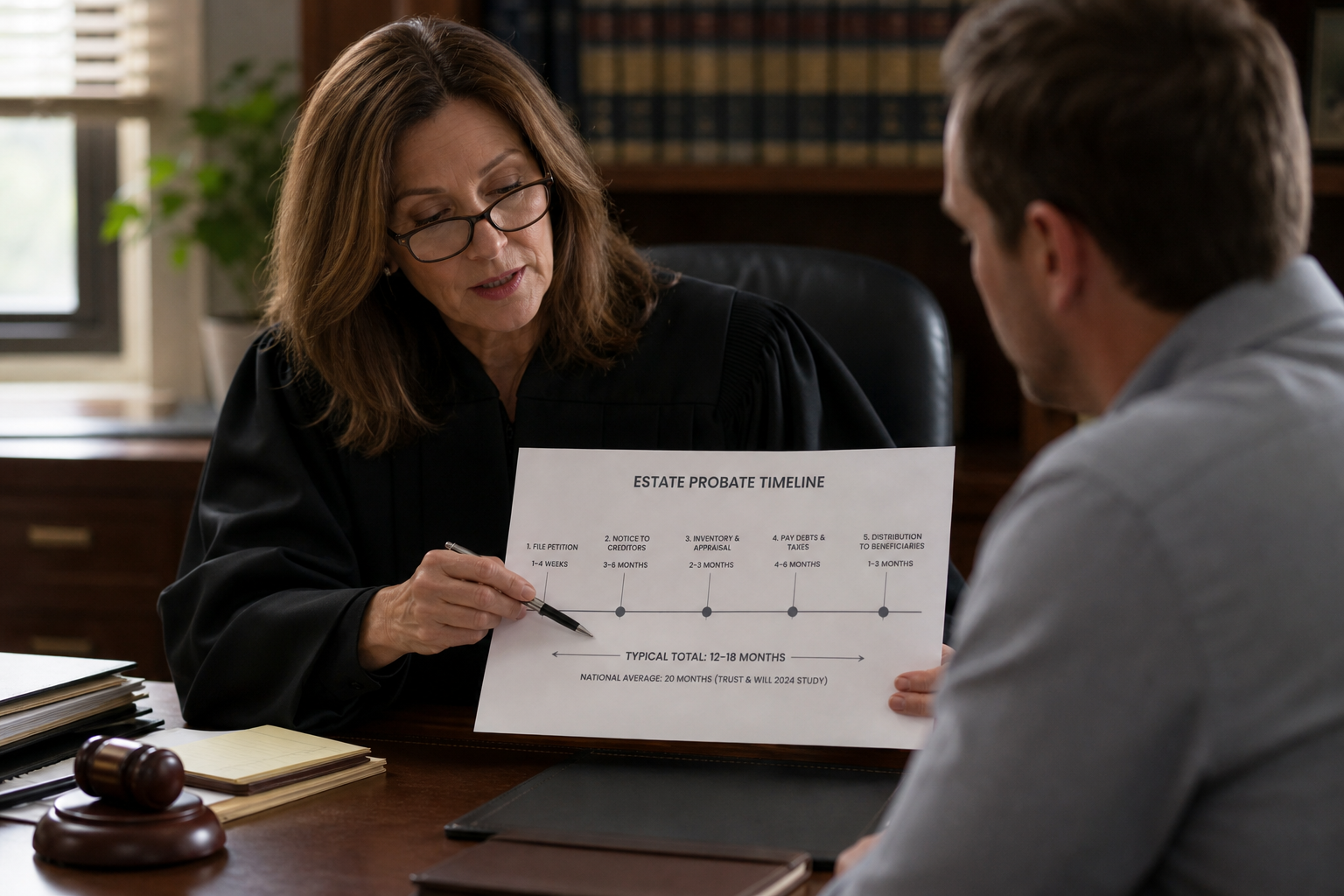
There is no single national timeline or price. The useful answer is to identify which stage creates the wait and which category creates the cost.
| Question | Main drivers | Detailed Alix guide |
|---|---|---|
| How long can it take? | Required notice periods, court availability, missing records, property sales, tax work, disputes, and assets in more than one state | Probate timeline |
| What can it cost? | Court and certification charges, notices, bonds, valuations, property care, legal work, tax preparation, accounting, and approved executor compensation | Probate costs |
A rejected filing can delay every stage after it. A property that needs months of insurance, utilities, or maintenance can also create more expense than the opening court charge. Use the actual court instructions and written professional scopes instead of treating an online average as a promise. Those drivers become easier to place once probate is separated from the broader administration and settlement work.
How are probate, estate administration, and estate settlement different?
These terms overlap, but they describe different scopes of work.
| Term | What it covers | When it matters |
|---|---|---|
| Probate | The court process for property that needs court authority | When an institution or ownership record does not provide another transfer route |
| Estate administration | The duties of identifying, protecting, recording, paying, transferring, and reporting on estate property | Whenever an executor, administrator, or trustee is carrying out the after-death work |
| Estate settlement | The complete project of handling court, trust, tax, account, property, debt, document, and beneficiary work and closing your loved one's affairs | From the first protective steps through final transfer and closure |
Read what estate administration means when you need the role and duty map. Use the complete estate-settlement guide when you are ready for the full action sequence. With those boundaries established, the remaining probate questions are easier to answer directly.
Frequently asked questions
These probate questions address the most common boundaries around assets, wills, trusts, authority, and legal help.
Does every estate go through probate?
No. An estate may have no property that needs court authority. Joint ownership with survivorship rights, valid beneficiary designations, properly funded trusts, and state simplified procedures may provide other routes. Review every asset's ownership and beneficiary records before deciding that the entire estate either does or does not require probate.
Does having a will avoid probate?
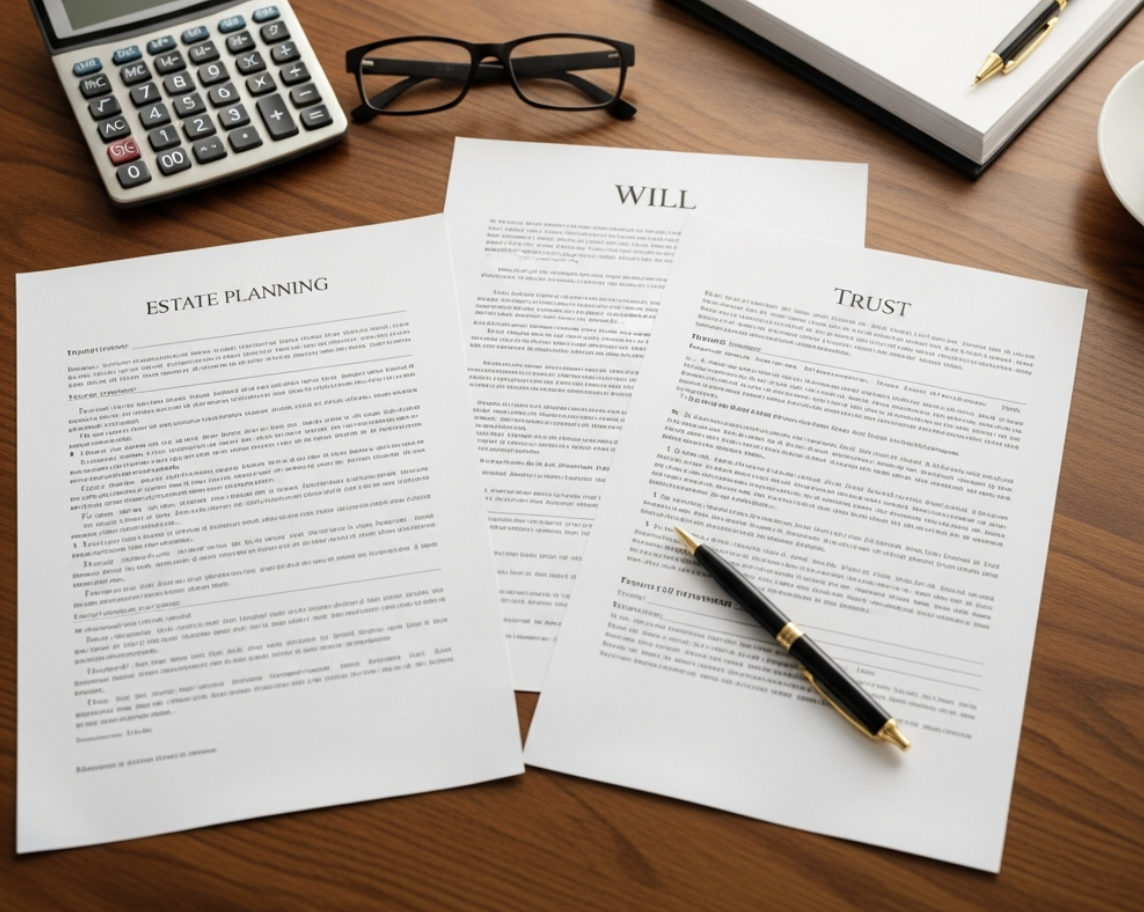
No. A will provides instructions for probate property and can nominate an executor, but it does not move property outside court by itself. An account beneficiary, survivorship provision, trust, or simplified state procedure may create another route. The correct answer comes from the asset's documents, not from the will alone.
Is probate required when there is a trust?
Not always. A trust can avoid probate for property that was properly transferred into it. A house, bank account, or other asset left only in your loved one's name may still require probate. Compare the trust schedule with deeds and account records before assuming that every asset follows the trust.
Can an executor act before receiving court authority?
An executor can usually protect property, locate records, identify accounts, and prepare the filing. They should not assume they can sell, transfer, distribute, or use estate property before the required authority exists. Ask each institution what proof it needs, and follow the current rules for the state and county handling the estate.
Do you always need a probate lawyer?
Not every case requires the same level of legal help. Counsel becomes especially important when a will is disputed or obligations may exceed available money. It also matters when property sits in multiple states, court representation is required, or a deadline is unclear. Use the probate lawyer decision guide to assess the situation.
References
These official sources support the court, notice, tax, and estate-administration framework used on this page.
- Formal Probate, California Courts Self-Help Guide
- When Someone Dies, New York State Unified Court System
- Probate, Oregon Judicial Department
- Publication 559: Survivors, Executors, and Administrators, Internal Revenue Service
Together, these sources support the next-step probate checklist below.
What should you do next if probate may be needed?
If probate may be needed, protect the property, gather the governing documents, map each asset's transfer route, and confirm the court procedure before moving or distributing anything.
- Protect the home, vehicles, records, and other property.
- Locate the will, trust, deeds, account statements, and beneficiary forms.
- List every asset and record how it was owned.
- Do not sell or distribute property before authority is confirmed.
- Identify the current state and county procedure.
- Keep one record of notices, bills, payments, decisions, and transfers.
What can wait: selling or giving away property, paying uncertain claims, and making beneficiary distributions before the right authority and payment order are clear.
You do not have to determine every probate route or manage every institution alone. When you are ready, talk with Alix about the facts you have and the work that still needs to be handled.
.png)
Related resources