Probate Without a Lawyer: When DIY Works
You can handle probate without a lawyer in some states when the estate is simple, everyone agrees, and the court offers a clear self-help path. The harder question is whether you should carry the probate process, bank calls, creditor claims
Probate Without a Lawyer
You can handle probate without a lawyer in some states when the estate is simple, everyone agrees, and the court offers a clear self-help path. The harder question is whether you should carry the probate process, bank calls, creditor claims, tax paperwork, and family updates yourself while settling your loved one's affairs.
Probate is the court process for giving someone legal authority to act for the estate, meaning the money, property, debts, and accounts left behind. A will helps, but banks, title offices, and courts usually need proof that you are allowed to act.
If the estate needs legal work, that work belongs with licensed counsel. Alix is different: its Estate Settlement Specialists handle the non-legal operational workload and work with counsel, either from Alix's network or your own attorney.
Probate without a lawyer works best in narrow cases
DIY probate is most realistic when the estate has few assets, no disputes, no unpaid tax issues, and no property in another state. It also helps when your court has forms written for non-lawyers.
Use this as a first-pass check:
| Question | DIY is more realistic when | You likely need help when |
|---|---|---|
| Is everyone cooperating? | Heirs agree on who should handle the estate | A beneficiary objects, threatens court action, or questions your decisions |
| Are the assets simple? | One bank account, one car, or a small amount of personal property | Real estate, a business, brokerage account, safe deposit box, or missing account is involved |
| Are the debts clear? | Bills are limited and easy to verify | Credit cards, medical bills, mortgages, taxes, or collection notices are arriving |
| Does the court offer a shortcut? | The estate qualifies for a small-estate affidavit or informal probate | Formal probate, a hearing, or attorney representation is required |
If two or more items fall in the right column, DIY probate can still be possible, but it is no longer a simple probate process.
You may not need full probate
Before filing anything, check whether probate is required at all. Some assets transfer outside probate, such as accounts with a payable-on-death beneficiary, life insurance with a named beneficiary, real estate held in a trust, or property owned jointly with another person.
Some states also offer a small-estate affidavit. That is a simpler probate process for estates under a state-specific value limit. California Courts, for example, explains its small-estate affidavit process for qualifying personal property. The limit and waiting period depend on the state.
Estate planning documents can change the path. A trust, beneficiary form, or transfer-on-death deed may keep an asset out of probate. A will is different. A will says who should receive property, but it usually does not avoid the probate process by itself.
For a broader explanation, see Alix's live guide to when probate is required and the guide to small estate affidavits.
What you have to do yourself
Probate without a lawyer means you are responsible for the sequence. A court clerk may give you forms, but the clerk cannot give legal advice or decide whether your filing strategy is right.
Find the right court
File in the county where your loved one lived or where property is located
Gather documents
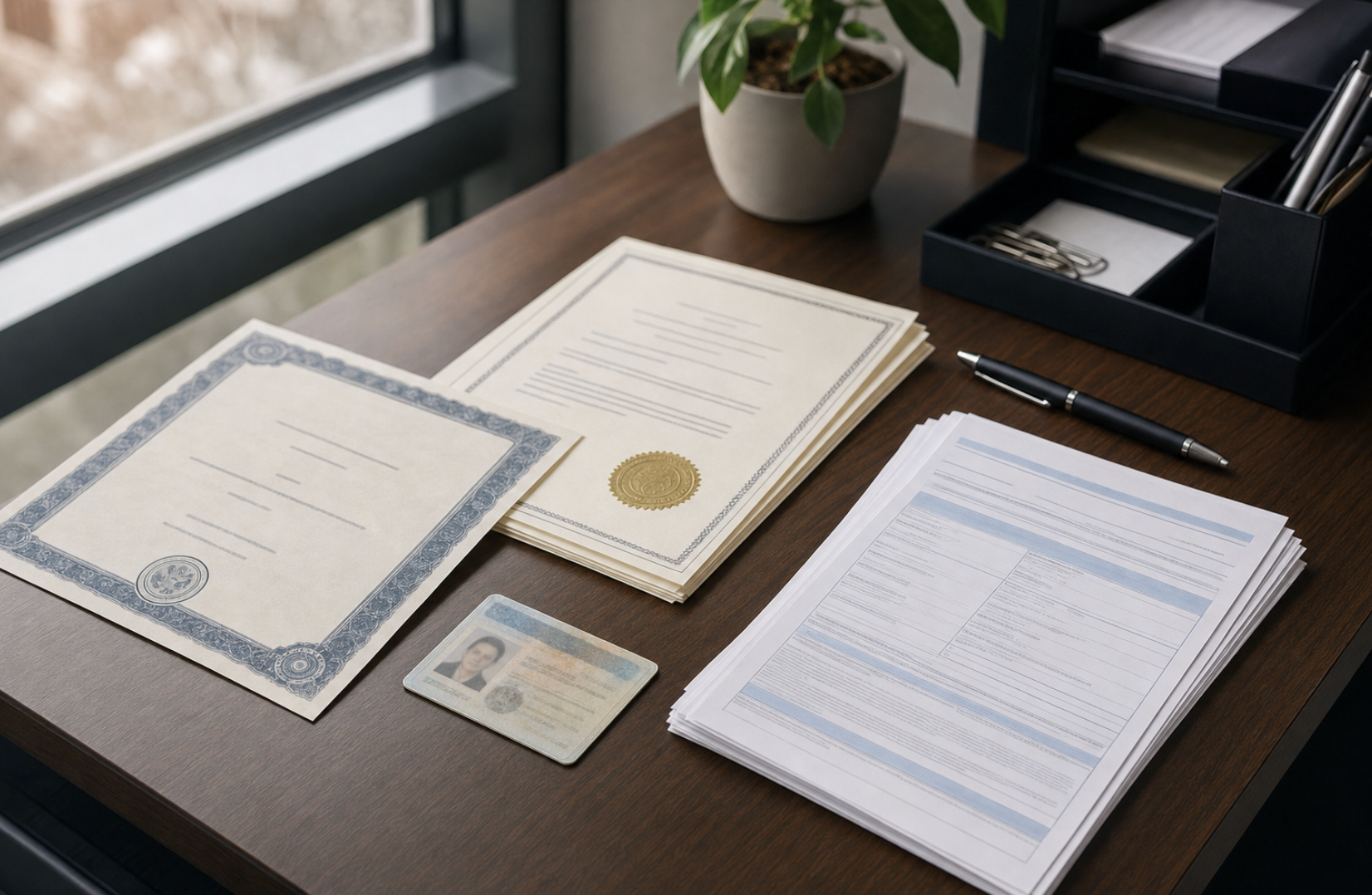
Death certificates, the will if there is one, asset statements, bills, and names of heirs
Ask for authority
File a petition asking the court to name you executor or estate administrator
Get proof of authority
Courts may issue papers proving you can act for the estate, which banks and institutions usually ask for
Notify people
Tell heirs, beneficiaries, and creditors when the law requires it
Make an inventory
List bank accounts, vehicles, investments, property, debts, and personal items with value
Handle debts and taxes
Pay valid claims in the right order before distributing money
Close the estate
Report what happened, distribute what remains, and ask the court to close the case if required
Utah Courts describes informal probate as a path for cases where heirs and beneficiaries agree and cooperate. That is the kind of probate process most suited to DIY.
The biggest risk in the probate process is paying too early
The most expensive DIY mistake is giving money to beneficiaries before debts, creditor claims, and taxes are settled. If the estate runs short later, the executor may have to explain the shortfall or repay money personally.
The IRS warns in Publication 559 that the person handling an estate can become personally responsible for certain unpaid federal tax liabilities if estate assets are distributed first. That is why sequencing matters.
Do not distribute money just because a sibling asks, a bill feels urgent, or the will names someone as a beneficiary. First confirm what the estate owns, what it owes, which heirs or beneficiaries must receive notice, and what your state requires.
Where a probate lawyer, Alix, and DIY each fit
This is not a choice between “lawyer good” and “DIY bad.” It is a scope question.
When the law is unclear, disputes are active, fees are hard to estimate, or the estate value changes which court requirements apply, the legal questions should go to counsel. A probate lawyer can explain the law, the filing requirements, and the risks in that case. Alix can work with counsel while its specialists handle the estate administration work that does not require legal advice.
| Need | DIY | Probate lawyer | Alix |
|---|---|---|---|
| Court forms and hearings | You prepare and track them | Attorney handles licensed legal work | Counsel handles legal work while Alix keeps the broader settlement moving |
| Asset discovery | You search accounts and records | Often limited unless separately requested | Alix specialists look for accounts, statements, real estate records, and overlooked assets |
| Creditor claims | You track bills and deadlines | Attorney handles legal notices and disputes | Alix handles the non-legal debt workload and works with counsel when needed |
| Family updates | You answer every question | Usually still on you | Alix helps keep beneficiaries informed |
| Tax paperwork | You gather records and find tax help | Attorney may not handle tax filings | Alix organizes records and works with tax professionals |
Alix is not a law firm and does not give legal advice. Attorneys, not Alix itself, handle licensed legal work. Alix Estate Settlement Specialists handle the non-legal operational workload: asset discovery, account closures, document organization, creditor management, tax records, property tasks, transfers, and 150+ administrative steps. If you use an attorney from Alix's network, that counsel is included in Alix's one transparent fee.
If you want to understand the lawyer side first, read Alix's guide to what a probate attorney does and the guide to probate attorney fees.
Estate planning can reduce probate later, but it does not complete estate administration after someone dies. Estate planning names wishes in advance. Probate administration is the after-death process of proving authority, handling creditors, protecting assets, and making distributions under the law.
When DIY stops being the right path
Get qualified support when the will is disputed, no will exists and relatives disagree, real estate needs to be sold, the estate has meaningful debt, assets are missing, a business is involved, or property sits in more than one state. Counsel should handle the legal questions. Estate-settlement support can handle the operational work around accounts, records, property, creditors, taxes, and beneficiaries. Those situations are complex because one wrong step can affect heirs, creditors, taxes, fees, or the court timeline.
You should also pause before filing if the court rejects your forms, a creditor threatens action, or you are unsure whether a tax return is required. Alix's guides to managing debts and creditor claims, discovering assets, and how long probate takes explain the 150+ administrative tasks that can sit outside the initial court filing.
Laws vary by state. Read your local court requirements before you file, and do not treat a complete form packet as legal advice. The essential question is whether your case is simple enough to handle alone or complex enough that probate lawyer assistance and estate administration support will save time and prevent mistakes.
FAQ
Can I really do probate without a lawyer?
Yes, in some states and some estates. DIY probate works best when the estate is small, the assets are easy to identify, the debts are clear, and everyone agrees. Check your state and county court rules first because some proceedings require an attorney or become risky without one.
How do I go through probate without an attorney?
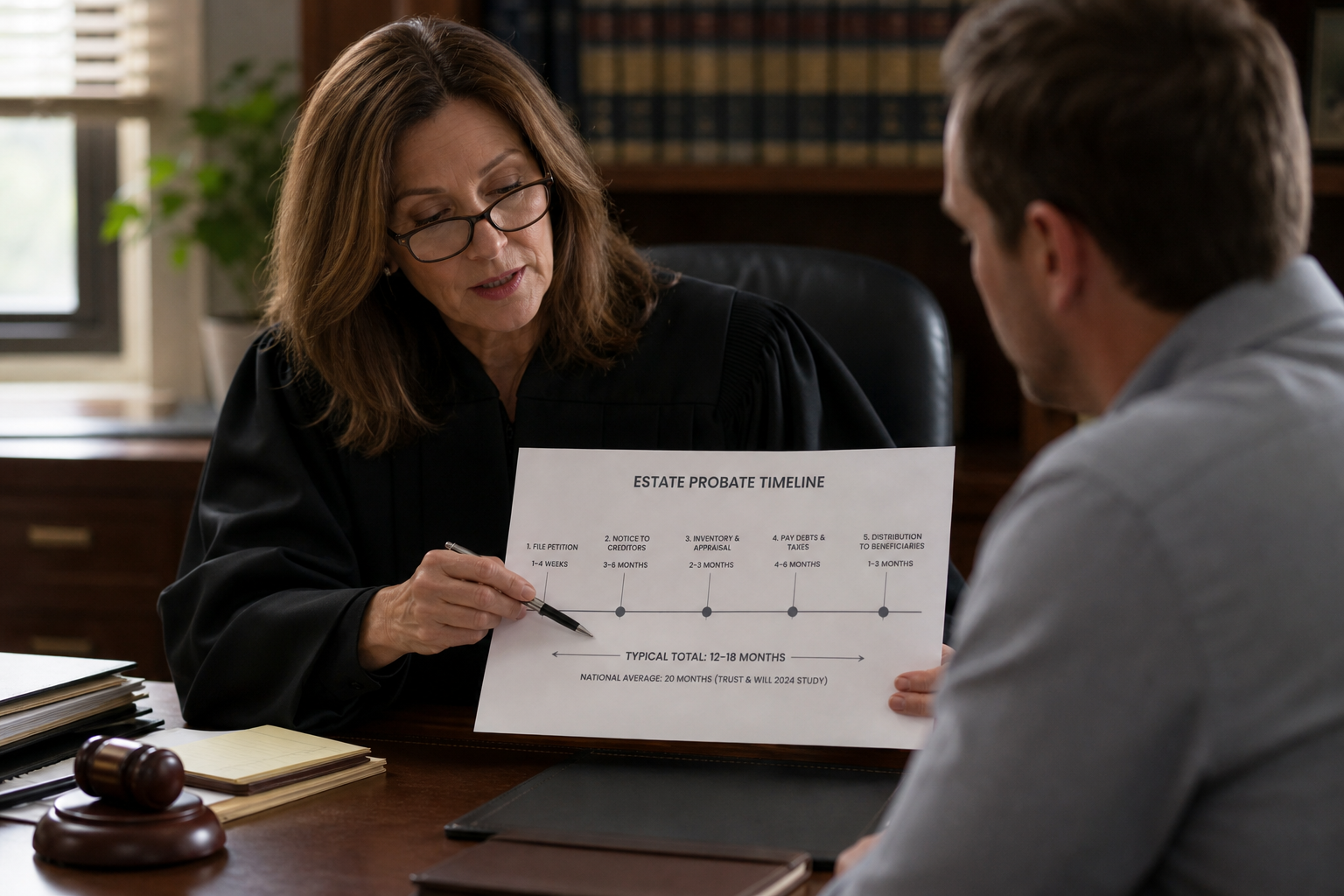
Start by checking whether probate is required. Then find the right court, gather the will and death certificates, file the petition, ask for authority to act, notify required people, inventory assets, handle valid debts and taxes, and distribute what remains only after the estate is ready.
What paper proves I can talk to banks?
Banks often ask for court papers showing you have authority to act for the estate. Some institutions may also ask for a death certificate, tax ID number for the estate, account statements, proof of insurance for real estate, and their own transfer or closure forms.
Do I need a probate lawyer if there is no will?
Not always, but no-will estates are easier to mishandle. State law decides who inherits and who can serve. If relatives disagree, assets are unclear, or the estate includes real estate or meaningful debt, probate lawyer assistance can help with the legal questions while Alix handles the operational workload.
Can Alix help if I already started probate myself?
Yes. Alix can step in after you have started, organize the records, help with asset discovery, track creditor and account work, support beneficiary updates, and work with counsel wherever legal filings or legal advice are needed. You stay in control, but you do not carry the process alone.
.png)
Related resources