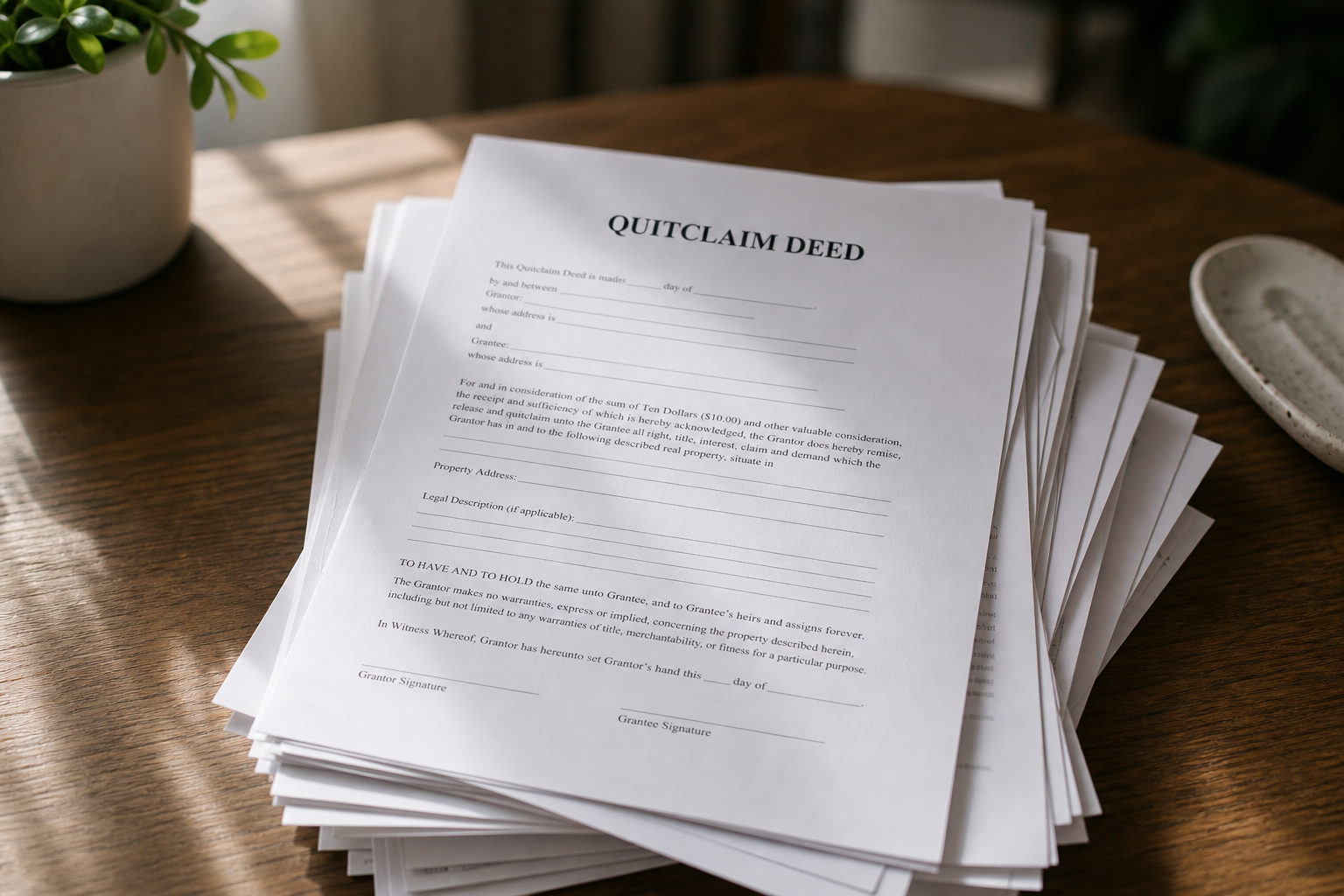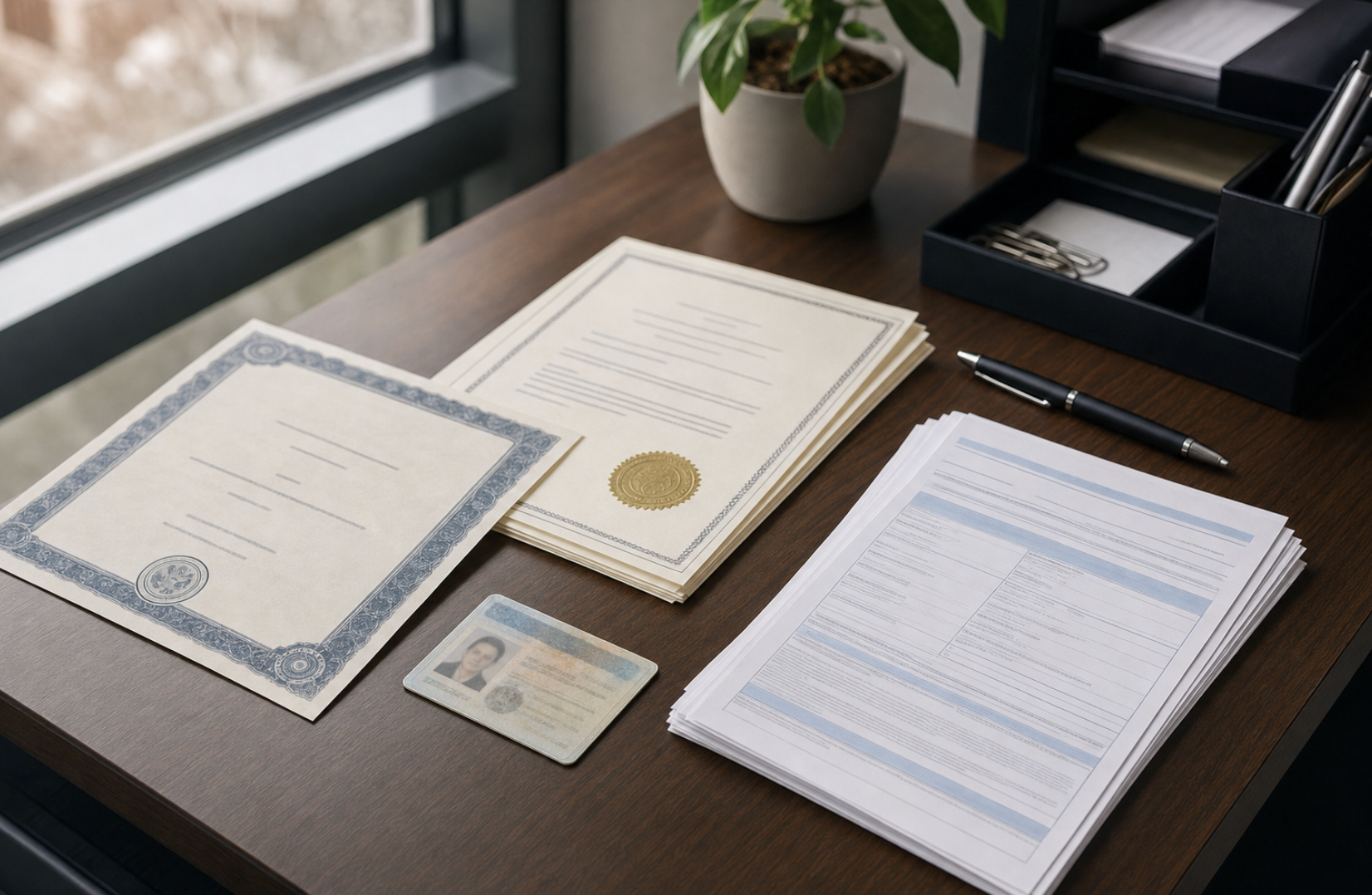
You might be surprised to learn that a power of attorney is no good after the person passes. The authority transfers, the documents change, and the bank has its own requirements before it'll release anything. Once you know which accounts need probate and which ones don't, the whole process gets a lot more manageable.
Key Takeaways:
- A power of attorney expires at death; only an executor, administrator, joint owner, or POD beneficiary can close a deceased person's account
- POD and joint accounts skip probate entirely; sole individual accounts typically require Letters Testamentary before the bank will act
- Waiting to close an account creates real risk: auto-payments keep drawing, fees accrue, and dormant accounts transfer to the state after 3-5 years
- Withdrawing from a deceased account without legal authority is treated as theft, regardless of your relationship to the deceased
- Alix is a human-led estate settlement service that coordinates account closures alongside more than 150 administrative tasks under one estate-funded fee
What Happens to a Bank Account When Someone Dies
When someone dies, their bank accounts don't simply transfer to whoever shows up first. The bank freezes the account once notified of the death, blocking withdrawals, transfers, and new charges. Automatic payments tied to that account will typically fail, and direct deposits stop getting processed.
The account sits in legal limbo until someone with proper authority steps in. According to U.S. News & World Report, only those with documented legal standing can access a deceased person's account (see who can access a deceased person's account); everyone else is locked out regardless of their relationship to the deceased.
Accounts without a named beneficiary, joint owner, or trust designation generally have to pass through probate first. Learn more about probate vs. non-probate assets to understand why. That process can take months and carry substantial court and attorney fees.
Who Has the Legal Authority to Close the Account
Not everyone who loved the deceased gets legal access to their accounts. The bank doesn't care about emotional closeness or family rank. It cares about documented legal authority.
Here's who actually has it:

- Executor named in the will: If the deceased left a will, the person named as executor has authority to close accounts once the probate court issues Letters Testamentary. This document is what the bank needs to confirm the executor's role.
- Court-appointed administrator: When there's no will, a probate court appoints an administrator, usually a close family member, who receives Letters of Administration granting equivalent authority.
- Joint account holders: If the account was held jointly with rights of survivorship, the surviving owner already owns the account outright. No probate required.
- Named POD beneficiaries: A payable-on-death designation lets a named beneficiary claim the funds directly with a death certificate and valid ID. The account skips probate entirely.
Next of kin don't automatically have access. Being a spouse, adult child, or sibling gives you no legal standing at the bank on its own. Without a formal appointment or account-level designation, the bank cannot release funds to you regardless of your relationship to the deceased.
Why a Power of Attorney Cannot Close a Bank Account After Death
A power of attorney ends the moment the principal dies. It doesn't matter how broad the document was, whether it was durable, or how long the agent had been acting under it. (For context on what a POA agent can do while the principal is alive, see signing checks as power of attorney.) As Formula Wealth explains, the agent's authority over bank accounts, investments, and property immediately stops at death, and control passes to the executor named in the will or an administrator appointed by probate court.
If you were managing a parent's finances under a POA before they passed, that authority is gone. You cannot use it to close accounts, withdraw funds, or sign anything on the deceased's behalf. The POA expires at death and the executor or personal representative steps in from that point forward, armed with Letters Testamentary or Letters of Administration issued by a probate court.
Documents You Need to Close a Deceased Person's Bank Account
Most institutions ask for the same core set of items before releasing or closing a deceased person's account, though requirements vary by bank and by state, so calling ahead before your visit saves a wasted trip.
- Certified copy of the death certificate (most banks want at least one, sometimes two)
- Letters Testamentary or Letters of Administration issued by the probate court, confirming your authority as executor or administrator
- Your own valid, government-issued photo ID
- Small estate affidavit, in states where this replaces the formal probate process for estates below a certain threshold
Some banks may also request the account number, a completed closure form, or a copy of the will.
How Account Type Determines the Closing Process
The account type matters more than almost anything else in this process. It determines whether you need a probate court at all.
| Account Type | Who Can Close It | Probate Required? |
|---|---|---|
| Sole individual account | Executor or court-appointed administrator | Yes, typically |
| Joint account with right of survivorship | Surviving joint owner | No |
| Payable-on-death (POD) or TOD account | Named beneficiary | No |
| Trust account | Successor trustee | No (governed by trust terms) |
For a sole individual account, the estate usually goes through probate before the bank releases anything. The executor presents Letters Testamentary, though in states with small-estate thresholds, a signed affidavit may substitute for the full probate process.
Joint accounts with survivorship rights skip probate entirely. Ownership transfers automatically to the surviving account holder, who presents a death certificate and their own ID to have the deceased's name removed.
Payable-on-death accounts and transfer-on-death accounts work similarly. The named beneficiary contacts the bank, shows a certified death certificate and valid photo ID, and the funds transfer without any court involvement. Trust accounts follow the terms of the trust document, with the successor trustee managing or closing the account accordingly.
Step-by-Step: How to Close a Bank Account After Death
Notify the bank as soon as you have a certified death certificate in hand. Call, visit a branch, or check whether the bank has an online estate services portal. Some institutions, including Bank of America, offer dedicated estate departments that can speed things along. Get this done early so the bank can note the death before anything else moves forward.

From there, gather your documents:
- A certified death certificate
- Your government-issued photo ID
- Proof of legal authority, typically Letters Testamentary or Letters of Administration issued by the probate court, or a small-estate affidavit if your state allows one
If the account has no payable-on-death beneficiary or joint owner, you will need the probate court to formally appoint you before the bank will act. That appointment produces the Letters Testamentary you present at the next step.
Presenting Your Credentials and Closing the Account
Bring everything in person or submit by certified mail if the bank permits it. Ask whether the bank routes estate requests through a separate department, as many larger institutions do, which can cut down on back-and-forth.
Once your authority is confirmed, instruct the bank to transfer the balance to the estate's dedicated account or issue a check payable to the estate. Before you leave or end the call, request written confirmation that the account is fully closed. You will need that record for your estate files and for any final accounting the probate court requires.
How to Close an Account Without a Will
When there's no will, the court fills the gap. A probate court appoints an administrator, typically the closest living relative, who then receives Letters of Administration. Those letters carry the same legal weight as Letters Testamentary do for an executor, and the bank closing process runs the same way from that point forward.
The complication is time. Getting appointed administrator requires filing a petition with the probate court, waiting for a hearing, and then waiting again for the court to issue the paperwork. That process can take weeks or months before you can walk into a bank with valid authority.
For smaller estates, some states allow a small estate affidavit as a shortcut around full probate. The threshold varies by state, so whether you qualify depends on where the deceased lived and the total value of the assets involved. If the account balance falls below your state's limit, a signed affidavit may be enough for the bank to release funds without a court appointment, though even this takes longer than closing a payable-on-death or joint account, where no court involvement is needed.
How to Write a Letter to the Bank for a Deceased Account Holder
Some banks handle estate requests entirely in person or through an online portal. Others require a formal written letter before they will act, particularly for larger accounts or when the request is submitted by mail. A letter creates a clear paper trail and moves the request forward without ambiguity.
The letter does not need to be long. It needs to be accurate and complete. Every closure letter should include:
- The deceased's full legal name and account number(s) being closed, along with the date of death
- Your name and legal role (executor, court-appointed administrator, or named beneficiary)
- A clear statement requesting account closure and transfer of the remaining balance to the estate account, or a check payable to the estate
- A list of enclosed documents, such as a certified death certificate, Letters Testamentary or Letters of Administration, your photo ID, or a small estate affidavit
A straightforward opening looks like this:
"I am writing as the executor of the estate of [Full Legal Name of Deceased], who passed away on [Date of Death]. I am requesting the closure of account number [XXXX] and transfer of the remaining balance to the estate. Enclosed are a certified copy of the death certificate and Letters Testamentary issued by [County] Probate Court on [Date]."
Address the letter to the bank's estate services department if one exists. Send it by certified mail with return receipt so you have proof of delivery, and keep a copy for your estate records.
What Happens to Money in a Deceased Person's Account
Where the money goes depends entirely on how the account was set up.
POD accounts pay out directly to the named beneficiary, bypassing the estate and any creditor claims against it. Joint accounts with survivorship rights pass to the surviving owner the same way. Neither type touches probate.
Sole individual accounts work differently. The balance becomes part of the probate estate, meaning creditors get first access. Outstanding medical bills, credit card balances, and other valid debts are paid from estate assets before heirs receive anything.
If no one claims the account, state law takes over. Most states require banks to turn dormant accounts over to the state as unclaimed property after a set dormancy period. That window typically runs three to five years. The funds don't disappear, but recovering them adds another layer to an already long settlement.
How Long You Have to Close a Deceased Person's Bank Account
There is no federal deadline for closing a deceased person's bank account, and most banks will not force the issue on a fixed schedule. But waiting creates real problems.
Automatic payments can keep drawing from the account after death, quietly reducing what the estate is owed. Monthly fees continue accruing. And if the account sits untouched long enough, the bank is required by state law to turn it over to the state as unclaimed property, typically after three to five years of dormancy, per Bankrate. Recovering those funds from the state adds work to an already long process. Fraud risk compounds this: an open, unmonitored account is a target, so notifying the bank early to get the account flagged protects the balance while you work through the legal steps.
The broader probate process sets the real clock. A Trust & Will 2024 study found the national average probate timeline is 20 months. Bank account closure should happen well before settlement wraps up. Creditors need to be paid from estate assets, and you cannot make accurate distributions to beneficiaries with open, unreconciled accounts still in the mix.
The Legal Risk of Withdrawing Money From a Deceased Account Without Authority
Unauthorized withdrawal from a deceased person's account is generally treated as theft, regardless of your relationship to the deceased or any informal arrangement that existed while they were alive. Having a PIN, knowing the online login, or being told verbally to "take the money" does not create legal authority after death.
According to Ascent Law Firm, penalties can include fines, restitution, and potential imprisonment, with severity proportional to the amount taken. If the account was part of a probate estate, the exposure compounds further. Civil liability runs alongside any criminal risk, and courts regularly order repayment even when the person taking the money believed they were entitled to it.
The right path is to secure legal authority first, then act. Get appointed as executor or administrator, obtain your Letters Testamentary or Letters of Administration, and close the account through the bank's formal process. This is one step in a broader executor checklist you'll need to work through.
How Alix Supports Executors With Bank Account Closure and Beyond
Bank account closure is one task inside a much larger job. As executor, you are also responsible for closing other financial accounts, coordinating with creditors, managing real estate, filing taxes, and distributing assets to beneficiaries, all as part of settling an estate while probate runs its course.
Alix is a human-led estate settlement service that handles 150+ administrative tasks on your behalf. That includes institution outreach, requesting account statements, obtaining account freeze or closure forms, and following up on pending transfers that stall without a dedicated point of contact. A probate attorney from Alix's network is included in its one transparent, estate-funded fee, whether or not your state legally requires one, handling court filings and formal legal work while Alix's estate settlement specialists coordinate everything else.
Based on Alix's data across client cases, settling an estate involves 600+ hours of work over 18 months. Bank account closure is one piece of that. Managing it alone, alongside dozens of other responsibilities, is where things slip. If you are ready to hand off the administrative work, visit meetalix.com to get started.
Start your Alix onboarding to hand off the coordination to a dedicated estate settlement team.
FAQ
How to close a bank account after death when there is no will?
When there is no will, a probate court appoints an administrator (typically the closest living relative) who receives Letters of Administration. Those letters carry the same legal weight as Letters Testamentary, and the bank closing process runs identically from that point: present the letters, your photo ID, and a certified death certificate. For smaller estates, some states allow a small estate affidavit as a shortcut around full court appointment, though whether you qualify depends on where the deceased lived and the total asset value involved.
Can a power of attorney close a bank account after death?
No. A power of attorney ends the moment the principal dies, regardless of how broad the document was or whether it was durable. The agent's authority over bank accounts stops at death, and control passes to the executor named in the will or a court-appointed administrator. If you were managing a parent's finances under a POA before they passed, that authority is gone. You cannot use it to close accounts, withdraw funds, or sign anything on the deceased's behalf.
What is the punishment for taking money from a deceased account without authority?
Unauthorized withdrawal is generally treated as theft, carrying criminal and civil penalties. See "The Legal Risk of Withdrawing Money From a Deceased Account Without Authority" above for full detail. The right path is to get formally appointed as executor or administrator first, obtain Letters Testamentary or Letters of Administration, and close the account through the bank's documented process.
How long can you keep a deceased person's bank account open before the funds are turned over to the state?
There is no federal deadline forcing account closure, but most states require banks to turn dormant accounts over to the state as unclaimed property after three to five years of inactivity. Waiting also creates practical problems: automatic payments keep drawing from the account, monthly fees keep accruing, and an open unmonitored account is a fraud target. In practice, account closure should happen well before estate settlement wraps up, since creditors need to be paid from estate assets and you cannot make accurate distributions to beneficiaries with open, unreconciled accounts still in the mix.
What should a sample letter to a bank for the death of an account holder include?
A closure letter needs the deceased's full legal name, account number, and date of death; your name and legal role (executor, administrator, or named beneficiary); a clear request to close the account and transfer the balance to the estate account or issue a check payable to the estate; and a list of enclosed documents such as a certified death certificate, Letters Testamentary or Letters of Administration, and your photo ID. Address it to the bank's estate services department if one exists, send it by certified mail with return receipt, and keep a copy for your estate records and any final accounting the probate court requires.
.png)
Related resources