A lot of executor checklists treat digital assets after death like an afterthought. But a PayPal account with a linked bank card and years of transaction history won't simply sit there safely once someone passes. Getting these accounts closed, and any remaining balances claimed, is part of your fiduciary duty, and the process is more straightforward than it looks once you know where to start.
Key Takeaways:
- Close a PayPal account by emailing deceasedaccounts@paypal.com with a death certificate, executor ID, legal proof of your authority, and a W-9.
- Venmo and PayPal have separate bereavement processes, so submit closure requests to each.
- Logging into a decedent's account without legal authority can expose you to liability under federal law.
- Dormant accounts with saved payment methods are identity theft targets, and closing them is part of your fiduciary duty.
- Alix is a human-led estate settlement service that coordinates digital asset discovery, creditor management, and account closures under one transparent, estate-funded fee.
What Counts as a Digital Asset
A digital asset is any account, file, or record that exists online or on a device where the decedent had a right or interest.
- Payment apps like PayPal, Venmo, Cash App, and Apple Cash
- Email, cloud storage, social media profiles, domain names, online businesses, and digital media libraries
- Cryptocurrency wallets and exchanges
- Subscription services with stored value or credits
- Airline miles, hotel points, and loyalty rewards
Why Digital Assets Create Unique Challenges for Executors

Unlike a house or a brokerage account, digital assets leave no paper trail, no deed, no statement in the mail. Most online accounts aren't owned outright by the user: under the Terms of Service governing PayPal, Venmo, and similar services, the provider owns the account, so you may inherit the balance without the account itself transferring.
Logging in without authorization creates its own risk. The Stored Communications Act and the Computer Fraud and Abuse Act can expose even well-intentioned family members to liability for accessing an account without legal authority, and what an executor does depends on where you file probate, since each state adopts its own version of RUFADAA, with variations.
The Law Behind Executor Access: RUFADAA Explained
RUFADAA, the Revised Uniform Fiduciary Access to Digital Assets Act, is the primary legal framework for what an executor can access. Adoption and specific rules vary by state.
It sets a priority order:
- A service tool, like Google's Inactive Account Manager or Facebook's Legacy Contact, comes first.
- A will, trust, or power of attorney applies next, if no tool was used.
- The company's Terms of Service apply last, when neither exists.
Executors typically get a catalog of accounts and basic metadata, but not message content, unless the decedent granted that permission through a tool or the will. Providers can still limit access under their own policies even with executor authority.
How to Close a PayPal Account After Death
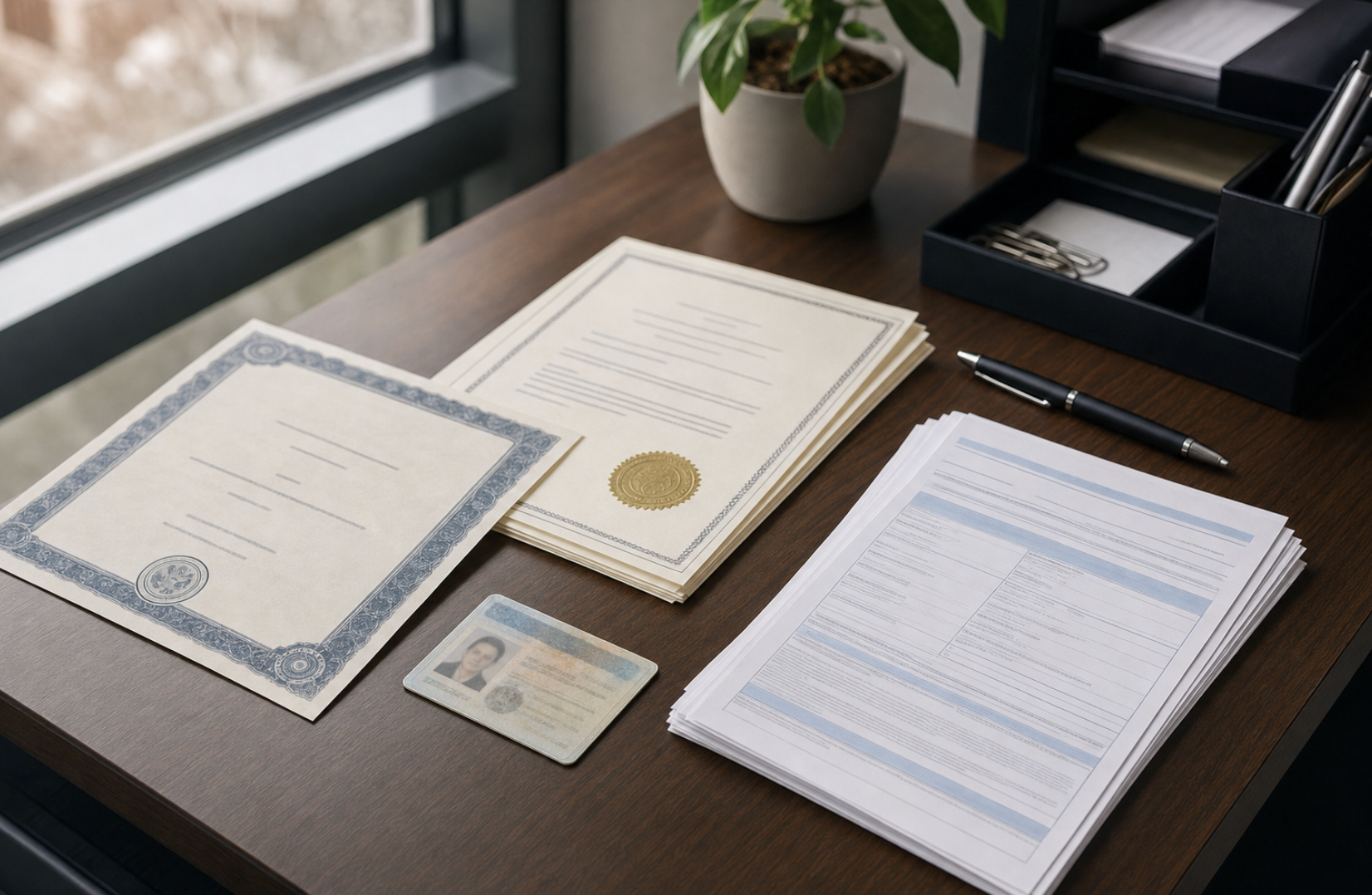
PayPal generally accepts closure requests only from the appointed executor or administrator. PayPal's official guidance asks you to email these to deceasedaccounts@paypal.com:
- A cover sheet with the account email, closure request, and your contact info
- A certified death certificate
- A government-issued photo ID of the executor
- Legal documentation or a copy of the will identifying you as executor (or state-issued documentation if there is no will)
- A W-9 for the estate
- Your email address, so PayPal's Deceased Account Team can reach you
PayPal typically issues any remaining balance as a check made out in the name of the deceased account holder, which does not change ownership of the funds, or transfers it to the linked bank account, which requires access to that account, so submit a complete package the first time.
How to Close a Venmo Account After Death
Venmo is owned by PayPal but runs its own bereavement process, so you cannot reuse your PayPal submission.
Per Venmo's official help documentation, start with Venmo Support through the in-app chat, using the decedent's full name and the email or phone number tied to the account. Venmo asks for a death certificate at minimum and, if the account holds money or crypto, may also request:
- A government-issued photo ID
- Proof of address, so Venmo can mail a check
- Legal documentation of your authority, such as a probate court order or letters of administration
- An IRS Form W-9 for the estate
Quick-Reference: Closing Major Payment Accounts After Death
| Service | How to Submit | Key Documents Required | W-9 Required? | Notes |
|---|---|---|---|---|
| PayPal | Email deceasedaccounts@paypal.com | Death certificate, executor ID, legal proof of authority (such as letters testamentary or a copy of the will), cover sheet | Yes | Paid by check or transferred to the linked bank account after review |
| Venmo | Venmo Support chat in the app; documents go through a secure upload link, not email | Death certificate; if money is involved, also ID, proof of address, and proof of authority | If the account holds money | Separate process from PayPal |
| Cash App | Cash App Support chat or phone, following its Deceased Customer & Estate Services page | Death certificate, photo ID, and a small estate affidavit or probate letters | Not listed | Documentation varies by state |
| Apple Cash | Contact Green Dot Bank directly | Standard estate documentation | Not listed | Held by Green Dot Bank; does not pass to heirs automatically |
Other Online Payment and Financial Accounts to Address
Cash App
Cash App (Block, Inc.) maintains a Cash App's estate services page covering Deceased Customer & Estate Services. Requirements vary by state, so contact Cash App Support directly.
Apple Cash
Apple Cash balances are held through a third-party partner, Green Dot Bank, and the balance in Apple Wallet does not transfer automatically to heirs.
Online Banking Portals
An online-managed bank account is still a standard bank account governed by the institution's own policies. Most major banks route estate work through a dedicated estate services department, but letters testamentary and a death certificate remain the baseline requirement almost everywhere.
Cryptocurrency
Crypto deserves its own warning: legal authority alone cannot recover funds in a self-custody wallet. Without the private key or seed phrase, the holdings stay inaccessible regardless of what the will or court documents say. Exchange accounts, like Coinbase or Kraken, follow a more standard estate claim process.
Across all of these accounts, the core document package is consistent: a certified death certificate, letters testamentary or letters of administration, and a government-issued photo ID for the executor, one more item on the broader executor checklist.
What Happens to Social Media Accounts After Death
Each site handles death differently, and closing an account differs from accessing its content.
Facebook and Instagram
Facebook memorializes an account once someone reports the death, with proof such as an obituary or death certificate; a Legacy Contact is someone the decedent chose in advance to manage the account afterward, but that person does not trigger memorialization. Removal requires immediate family or executor verification and a death certificate through Facebook's Special Request for Medically Incapacitated or Deceased Person's Account form. Instagram memorializes a profile on a valid request with proof of death, such as an obituary link, and lets immediate family request removal, but it won't grant login access to the account.
X (formerly Twitter)
X will deactivate an account for an authorized estate representative or a verified immediate family member who submits a death certificate and government ID. No memorialization option exists.
LinkedIn lets you request memorialization or closure of a deceased member's account, and closure requests require a death certificate plus a legal document showing your authority to act, per LinkedIn's deceased member guidance.
How to Find All of a Decedent's Online Accounts
Start with the email inbox, usually the best map of a decedent's digital life. Search "welcome," "confirm your account," "subscription," or "receipt" to surface registered services.
Check the browser next. Chrome, Safari, and Firefox store saved passwords under account settings, as do password managers like 1Password or LastPass.
Review 12 months of bank and credit card statements for recurring charges, a step that overlaps with how to cancel credit cards after a death. Check phone apps and safe deposit boxes for handwritten credential lists.
As with finding someone's assets generally, gaps are common; tools for estate asset discovery and inventory prepared before death compress weeks of searching into one document.
The Identity Theft Risk of Dormant Accounts
An open PayPal account with a saved card and transaction history gives anyone who gains access a usable identity profile. Fraudsters scan obituaries, and takeover attempts can happen before anyone works through what to do after a death and gets to closing them.

The risks:
- Unauthorized charges through saved payment methods
- Tax refund fraud filed under the decedent's Social Security number
- New credit lines opened under the decedent's identity
When You Cannot Access a Decedent's Device or Account
Without passwords or pre-authorized access, your options narrow but remain open. Start with the service's official estate or bereavement process: PayPal, Google, Apple, and most major services have documented paths for executors presenting a death certificate and letters testamentary.
For locked devices, a licensed forensics specialist can sometimes recover data, though costs vary and recovery isn't guaranteed.
As a last resort, an attorney can seek a court order compelling a provider to release data, though providers don't always comply fully even then.
One Hard Boundary
Guessing passwords, using found credentials, or asking someone else to log in on your behalf can expose you to liability under the Computer Fraud and Abuse Act and the Stored Communications Act. Official channels are always the safer path.
How Digital Assets Fit into the Probate and Estate Process
Digital accounts with balances are estate assets, inventoried and distributed like a savings account in an estate account.
- You cannot move funds until you get an EIN for the estate, which requires court appointment first.
- Zero-value accounts, like social media profiles, still need closure or memorialization.
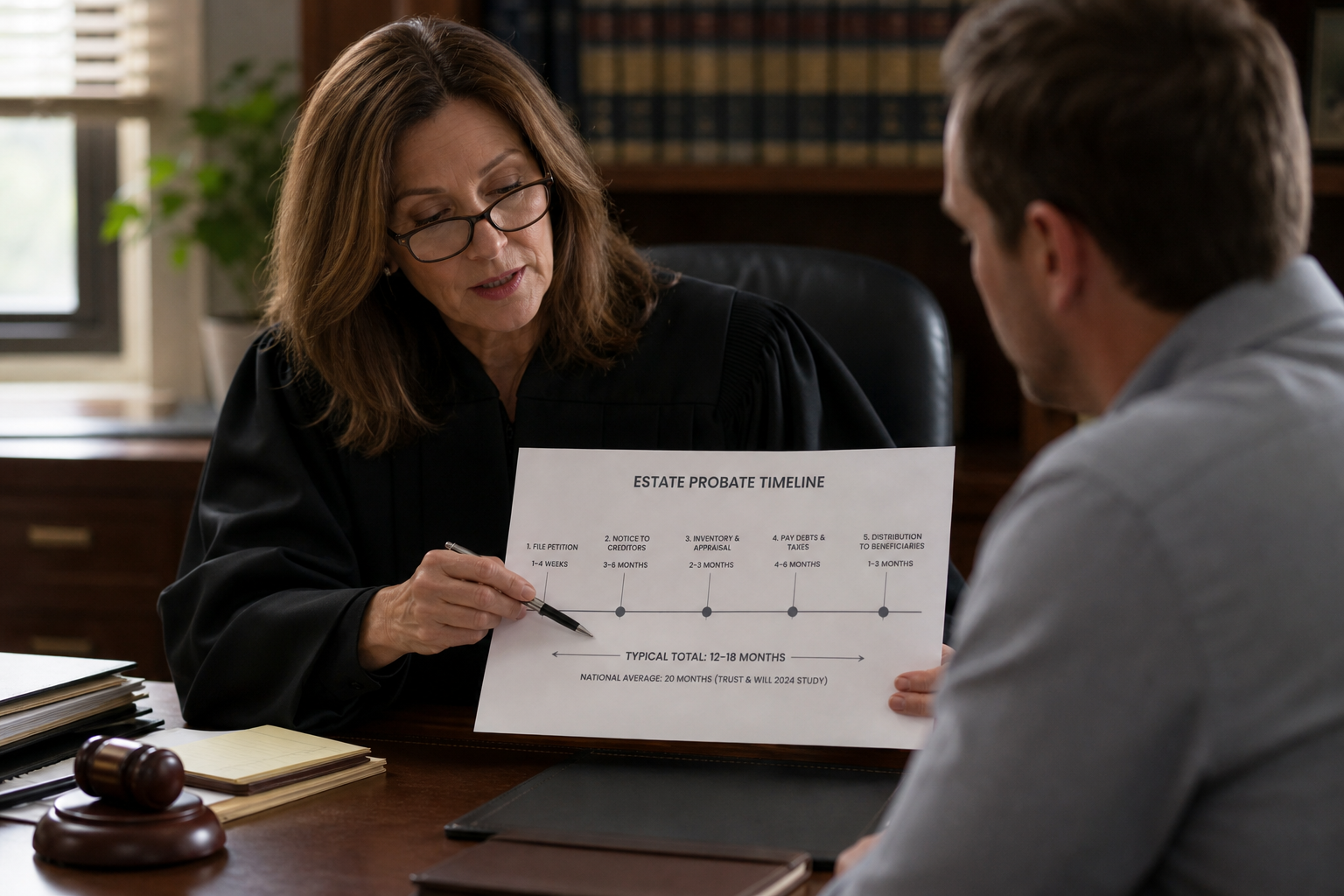
- Settlement typically runs 12 to 18 months (per a Trust & Will 2024 study, the national average is 20 months), with digital work running alongside creditor claims, transfers, and tax filings.
This work runs alongside everything else in a full guide to settling an estate.
How Alix Approaches Digital Asset Discovery and Account Coordination
Alix is a human-led estate settlement service. Our asset discovery process finds what executors commonly overlook: uncashed checks, brokerage accounts at smaller institutions, safe deposit boxes, and digital balances with no paper trail. From there, specialists handle institution outreach directly, requesting statements, obtaining closure forms, and following up on stalled transfers.
Your specialist coordinates that alongside creditor management (medical bills, credit card balances, mortgage servicer notices, utility arrears), property coordination (locksmith access, utility transfers, insurance continuation, routine maintenance), tax filing coordination, and beneficiary communication, across 150+ administrative tasks.
Alix's one transparent, estate-funded fee includes a probate attorney from our network regardless of whether your state requires one. If you already have your own attorney, those fees are handled separately from Alix's fee.
FAQs
PayPal vs. Venmo: how does closing each account differ?
Venmo is owned by PayPal but runs its own bereavement process, so submissions aren't interchangeable. PayPal wants documents, including a W-9, emailed to deceasedaccounts@paypal.com. Venmo starts with a Support chat, asks for a death certificate at minimum, and may also request a W-9 and proof of authority if the account holds money.
Can I recover funds without going through probate first?
Usually you need court-issued authority first. PayPal and Venmo typically ask for court-issued proof of your authority before releasing a balance, while Cash App also accepts a small estate affidavit where your state offers one. Requirements vary by provider and state, so confirm each before you submit; providers generally will not release funds otherwise.
When should I notify institutions, and what about dormant accounts?
Notify institutions as soon as you have letters testamentary, typically your first move after court appointment. Dormant accounts carry risk: open PayPal or Venmo accounts with saved payment methods can become identity theft targets before closure. Your fiduciary duty covers digital accounts the same as physical property.
Final Thoughts on Recovering Digital Assets and Closing Online Accounts After Death
Recovering digital assets after death follows a repeatable sequence: confirm your authority with letters testamentary, find the accounts, submit each provider's closure request separately, and close dormant accounts before they become an identity theft risk. Alix is a human-led estate settlement service, and your specialist coordinates asset discovery, institution outreach, and account closures across 150+ administrative tasks, all under one transparent, estate-funded fee that includes a probate attorney from our network. Start your Alix onboarding to hand off the work.
.png)
Related resources