Documents Needed for Probate: A Stage-by-Stage Checklist
Use this stage-by-stage probate document checklist to gather, file, and track the records executors need. Requirements vary by state and county.
The documents needed for probate fall into three distinct buckets, and mixing up your probate paperwork is one of the fastest ways to stall your timeline. There's what you gather before filing, what the court gives you after your appointment, and what you create during administration. Getting those straight from the start saves you a lot of backtracking later.
Key Takeaways
Your probate document work splits into three phases: records you gather before filing, court-issued documents you receive after your appointment, and documents you create during administration.
The number of certified death certificates you need varies by how many institutions and assets are involved and whether each one requires a certified original.
Your estate generally needs its own EIN from the IRS, which is separate from any court document. IRS Publication 559 lists applying for one among a personal representative's early tasks; confirm timing with the IRS or a tax professional.
Creditor claim periods and the consequences of distributing early depend on state law and your estate's facts, so confirm timing with the local court or a probate attorney before you distribute.
Alix is an estate settlement service that can help coordinate the administrative document work around your probate process.
What Probate Actually Requires of You as Executor
Your executor documents fall into three distinct phases, shifting as probate requirements move from gathering to court-issued authority to administration. First, there are the records you gather before you ever step foot in a courthouse: the will, death certificates, financial statements, property deeds, and tax returns. Second, there are the court-issued documents you receive after the court appoints you, like letters testamentary or letters of administration, that give you legal authority to act on the estate's behalf. Third, there are the documents you create during administration, such as the inventory, creditor notices, estate accounting, and beneficiary receipts.
The sections below walk through each category in order, so you know what to gather, what to file, and what the court sends back to you. For the broader sequence of duties beyond documents, see our executor checklist.
Documents to Gather Before You File
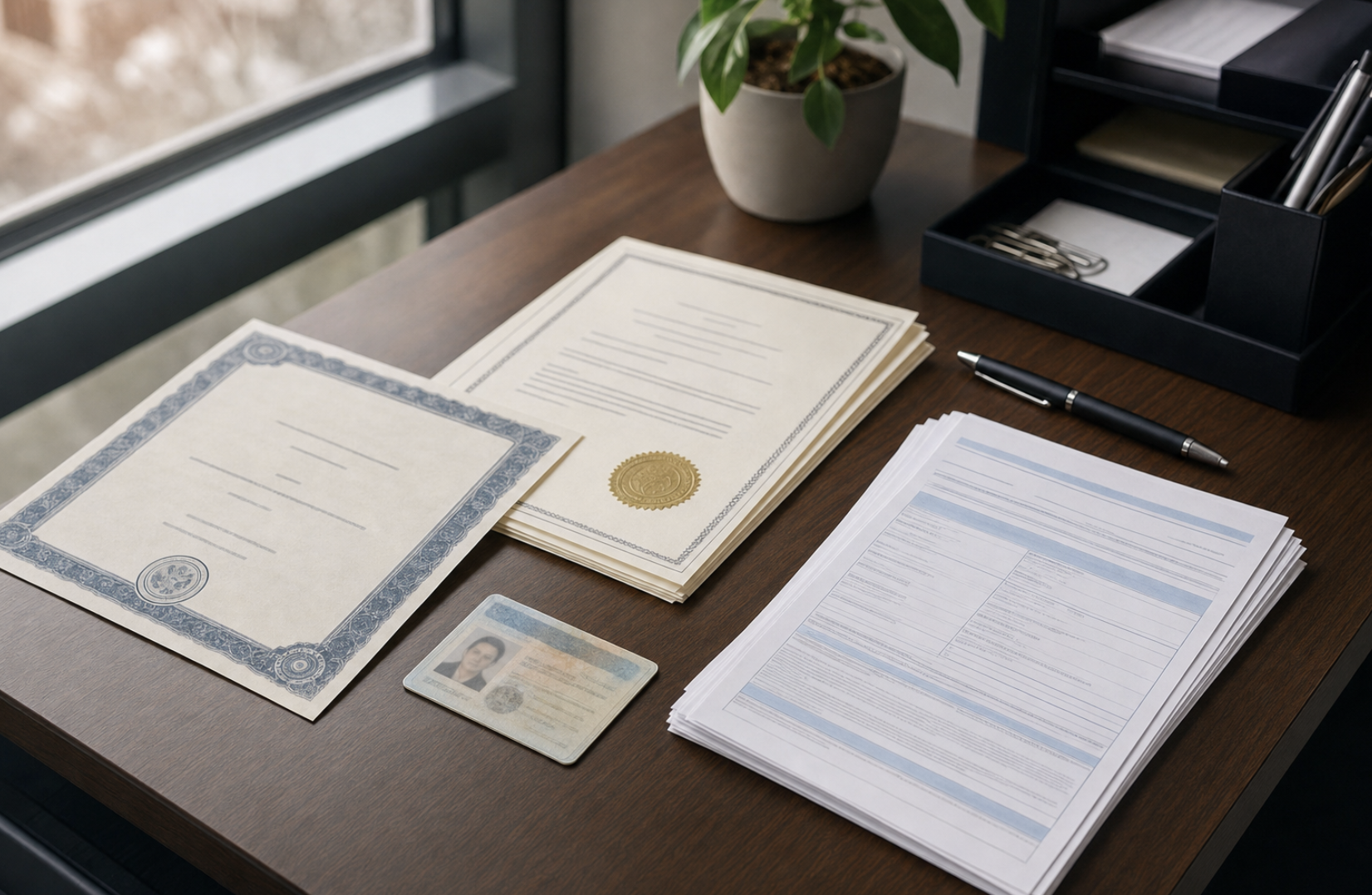
What documents do I need for probate? Start with four documents that anchor everything else you file. Gather them before you contact the court.
The Original Will
Locate the original signed will and keep it safe, since many courts expect the original to be filed. Texas offers one sourced example of how this works: under Texas Estates Code Chapter 256, an applicant files the will with the application if it is in the applicant's control, and an application for a will that cannot be produced must state why and what the will contained. Lost-will procedures vary by state and court, and a missing original does not automatically mean the estate passes without a will. Ask the probate court or a probate attorney before filing.
One exception worth knowing is a holographic (handwritten) will, written and signed entirely in the testator's own handwriting. Some states accept these and others do not, and witness rules vary. If the will you found is handwritten, check your state's probate rules with the court or a probate attorney before assuming it's valid.
Certified Death Certificates
There's no single right number of certified copies to order. How many you need depends on how many institutions and assets are involved, such as banks, brokerages, insurers, property transfers, and the court, and on whether each one requires a certified original or will accept a photocopy. Call each institution ahead of time to ask which they require before you place your order. Families often order copies through the funeral home at the time of death, and extra certified copies are typically available later from the state vital records office where the death occurred.
Your Government-Issued Photo ID
Courts and financial institutions commonly ask to verify your identity, though requirements differ, so confirm what each court or institution needs and keep a copy of your ID accessible throughout the process.
A List of Heirs and Beneficiaries
Write out every beneficiary named in the will, plus any legal heirs under state law, with contact information and their relationship to the decedent. Petition forms such as California's Petition for Probate (form DE-111) ask for the names and relationships of heirs and beneficiaries, so check what your own court's petition asks for. Either way, you will need this list to send required notices.
Financial and Asset Records
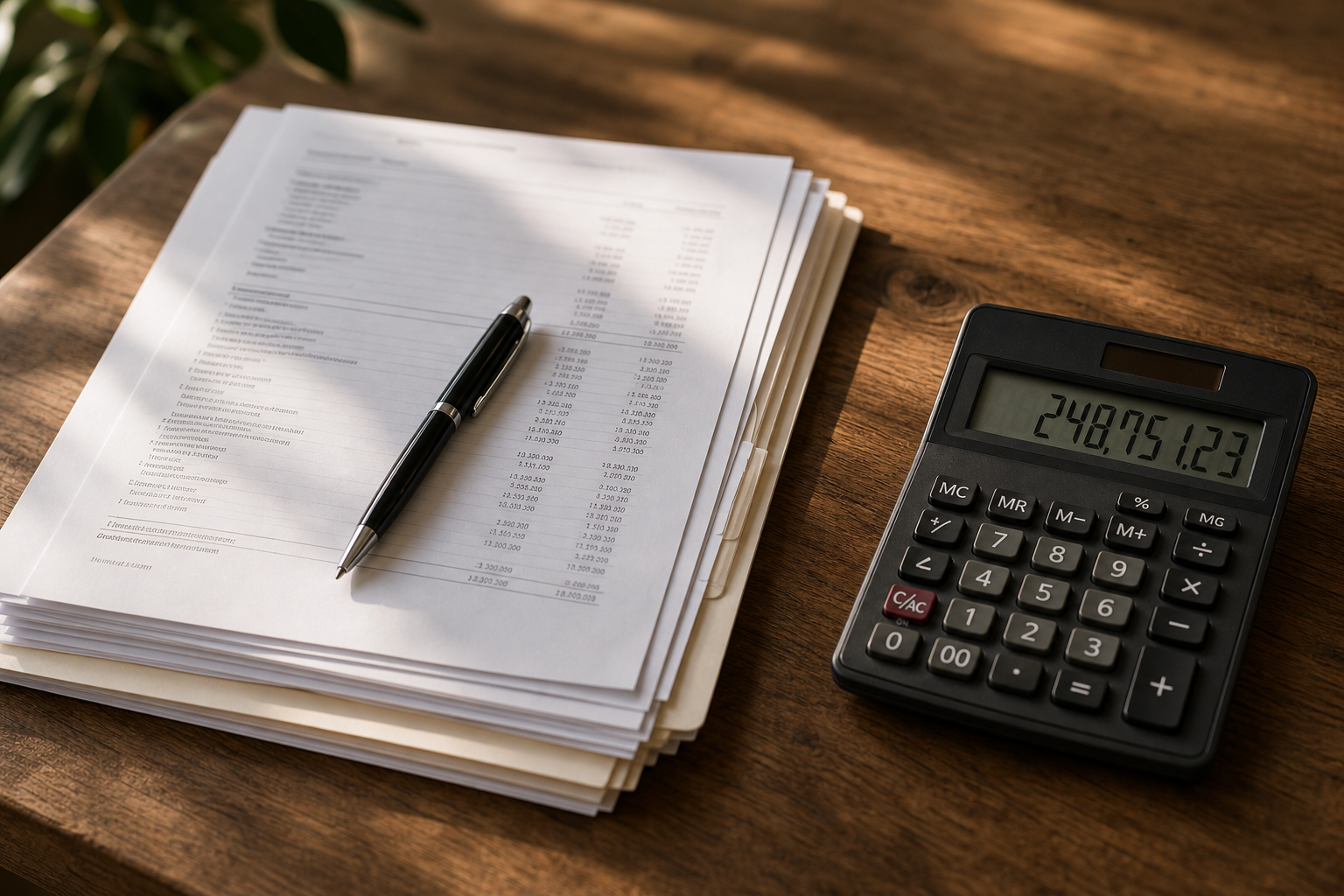
Courts, creditors, and beneficiaries all need the same thing from you: a clear accounting of what the decedent owned and owed. Start pulling these records as soon as you have death certificates in hand.
Recent bank and brokerage account statements from every institution
Property deeds for any real estate the decedent owned, plus mortgage statements, property tax records, and any existing appraisals
Vehicle titles
Life insurance policies
Beneficiary designation forms on IRAs, 401(k)s, and other retirement accounts
Recent prior-year tax returns; ask your tax professional how many years to pull
Outstanding loan and mortgage documents, including any home equity lines
If you're unsure what the decedent owned, our guide on how to find someone's assets can help you build this list.
One thing worth clarifying: accounts with named beneficiaries, like IRAs and jointly titled property, generally pass outside of probate entirely, transferring directly to the named beneficiary without going through the court. That does not mean you can ignore them. You still need to confirm and document those designations to notify the right people and to accurately report what the estate holds versus what passes separately. A beneficiary designation that names a deceased person, or carries no designation at all, may pull that account back into the probate estate, which changes the picture considerably.
Many states ask for date-of-death values in the probate inventory, so confirm with the court whether real property needs a formal valuation.
Court Filing Documents: What You Submit to Open Probate
If you are wondering how to start probate, it generally begins with a petition or application filed with the probate court in the county where the decedent lived, though venue rules vary. In California, the formal probate overview from the California courts explains that you file a Petition for Probate (form DE-111) along with other required court forms. In Texas, an application must include the facts listed in Texas Estates Code Chapter 256. The specific probate court documents vary by state and county, but the core set stays consistent.
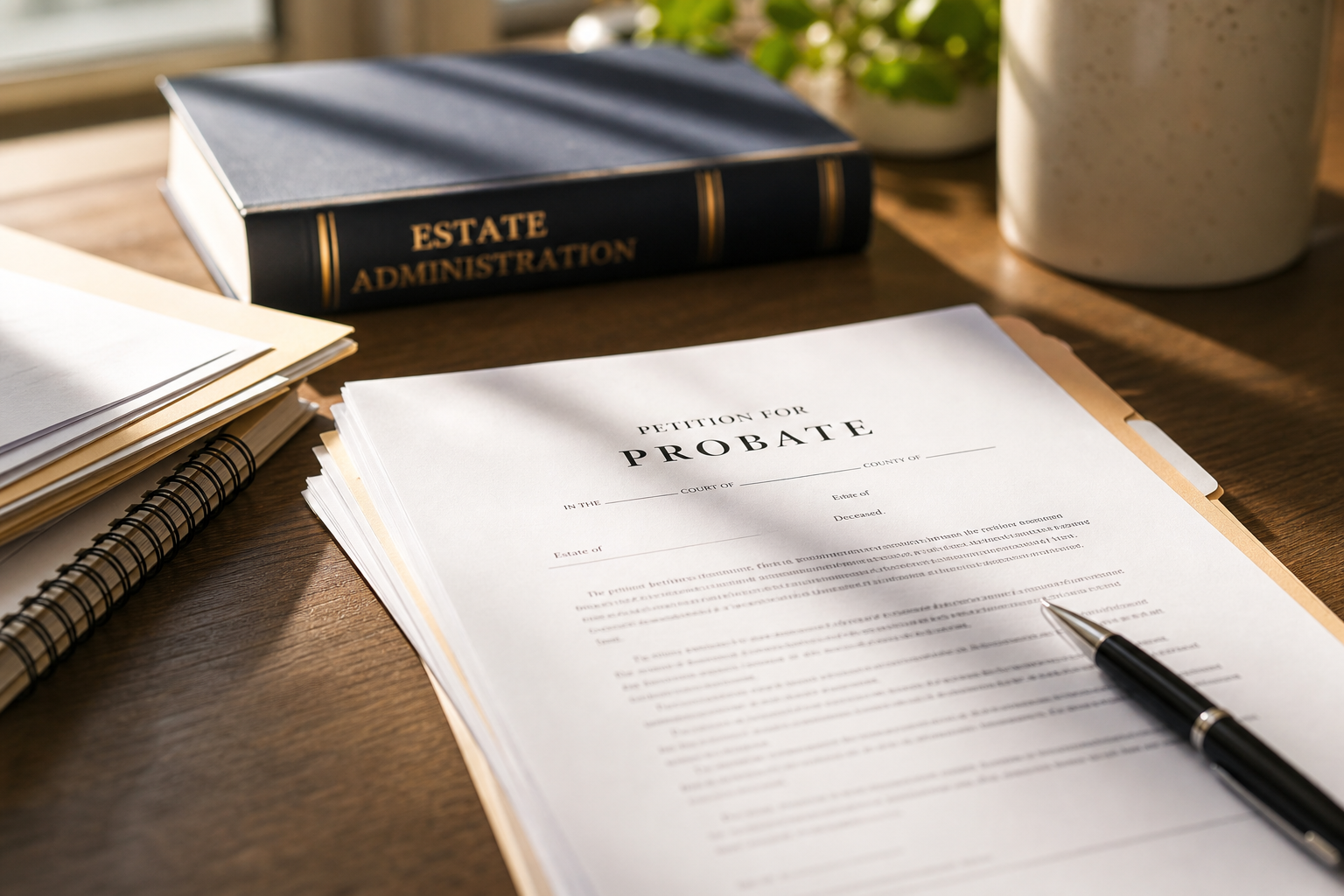
The Petition for Probate (if there is a will) or Petition for Letters of Administration (if there is no will)
A certified death certificate
The original will, which the court typically retains once filed
A Notice of Petition to Creditors and Heirs, or a similar notice to heirs and interested parties, where your state requires one
An executor's bond, if the will does not waive it or the court requires one regardless
The bond functions as insurance protecting beneficiaries from executor mismanagement. Many wills waive it, but courts in some states retain discretion to require one anyway, particularly for larger estates or when beneficiaries are minors.
State and county forms differ, so always confirm current forms and local rules with the specific court handling the estate.
An attorney often prepares and files the petition on the executor's behalf. Many institutions ask to see court-issued authority before acting for the estate, so ask each one what it needs.
Documents You Receive from the Court
Once the court accepts your petition and formally appoints you, it issues documents that give you authority to move. Banks, title companies, and other institutions typically ask for these before they will act on the estate's behalf, though each sets its own requirements.
There are two core court-issued documents to track here.
Letters Testamentary and Letters of Administration
If the decedent left a valid will naming you executor, the court issues Letters Testamentary. If there was no valid will, the court appoints an administrator and issues Letters of Administration instead. Both documents give the holder the same authority to act for the estate, with the key difference, explained further in our comparison of letters testamentary vs. letters of administration, being whether asset distribution follows a will or state intestacy law.
Many institutions ask for a certified copy, and some keep it, so ask each one what it needs. Consider requesting several certified copies when the letters issue, since ordering more later can add time and cost.
Order for Probate
Some states issue a separate court order alongside your letters. California's Order for Probate (form DE-140) is one example, and the form itself notes that the appointment is not effective until letters have issued. In Texas, the court signs an order admitting the will to probate rather than issuing a separate Order for Probate. Ask the court which orders it issues in your case, and ask each institution whether it wants a copy alongside your letters.
Documents You Create During Probate
Unlike the documents you gather or receive, the ones below are produced during administration, often with attorney or appraiser involvement.
Estate EIN Application
The EIN comes from the IRS, not the court. The estate generally needs its own EIN for the estate account, kept separate from your personal Social Security number for any account you open or tax filing you handle on the estate's behalf. IRS Publication 559 lists applying for an EIN among a personal representative's early tasks. The IRS information for executors page notes that you apply for the estate's EIN using Form SS-4, free of charge on IRS.gov. Confirm the timing with the IRS or a tax professional before you apply.
Inventory and Appraisal
Many states require a formal probate inventory of all probate assets, valued as of the date of death. Whether one is required, when it's due, who may value each asset, and whether an appraiser is needed all vary by state and court. Assets with easy-to-confirm values, like bank account balances, are often simpler to report than real estate or collectibles. Confirm the deadline and valuation rules with the court handling the estate or with a probate attorney before you file.
Notice to Creditors
In many states this notice is published in a local newspaper and may also need to be mailed to known creditors. It typically starts a creditor claim period. For example, under Texas Estates Code Chapter 308, a personal representative must publish a notice to claimants in a newspaper of general circulation in the county within one month after receiving letters. How long the claim period runs, and how late claims are treated, depend on state law and the estate's facts, so confirm the timing with the local probate court or a probate attorney.
Estate Accounting and Receipts
Many courts or beneficiaries expect a formal accounting of all estate income received and disbursements made during administration before distribution, though requirements vary by state and by whether the administration is supervised. Courts and beneficiaries use this to verify that assets were handled correctly. Once the accounting is approved and the creditor claim period under your state's law has ended, beneficiaries commonly sign a receipt confirming they received their distribution. Some attorneys also use a release, which may help limit later claims related to your administration, depending on state law. Distributing before then can expose you to personal liability in many states, depending on state law and the estate's facts, so check with the court or a probate attorney before distributing.
Special Circumstances That Require Additional Documents
Not every estate fits the standard checklist. A few circumstances pull in documents that most executors never think about until they run into a wall.
Revocable Living Trusts
If the decedent held assets in a revocable living trust, those assets typically pass outside of probate. You will still need a copy of the full trust instrument and, for most financial institutions, a certificate of trust. The certificate summarizes the trust's key terms without exposing every provision. Many financial institutions accept a certificate of trust, while some ask for the full trust instrument, so ask each institution what it requires. Any assets that were never transferred into the trust, like a bank account left in the decedent's name alone, still require probate, regardless of what the trust document says.
Marriage, Divorce, and Prior Relationship Records
When the decedent was previously married or had children from multiple relationships, the court may require divorce decrees, foreign marriage certificates, or paternity documentation to confirm who the legal heirs are. A prenuptial or postnuptial agreement can also affect how assets are distributed and should be located early.
Guardianship or Conservatorship Orders
If the decedent was under a guardianship or conservatorship at the time of death, gather those court orders. They often affect how assets were titled and whether any accounts require additional court approval to close.
Veterans' Benefits
For veterans, the DD-214 military discharge form is commonly needed to claim applicable benefits. Veterans and next of kin can request a copy from the National Archives military service records office, where most basic requests are free. Request it as soon as possible, since it can take time to arrive if the family does not already have a copy.
Digital Assets
Online brokerage accounts, cryptocurrency wallets, and digital payment accounts all require documentation. Start an inventory of known accounts and any access credentials the decedent left behind. Some states have adopted laws governing digital asset access by executors, so confirm what your state permits before accessing accounts directly.
How Probate Document Requirements Vary by State
The documents required for probate are largely consistent across the country. What changes state to state are the specific court forms, filing deadlines, fees, and procedural rules around each of them.
A couple of states are worth knowing in detail:
California: review California probate forms by case stage, and confirm current Judicial Council forms and county local rules before you file.
Texas: under Texas Estates Code Chapter 309, a personal representative generally files a verified inventory, appraisement and list of claims before the 91st day after qualifying, unless the court grants more time or an affidavit in lieu applies. Review Texas probate forms for the current list.
For any other state, use the current forms and deadlines from the probate court in the county where the decedent lived.
How to Access Probate Records and Find Court Documents Online
Many probate filings are available through the court clerk once a case is opened, though courts can seal or restrict some records. California offers one example: the California courts public records page tells people to visit or call the clerk's office of the superior court where the case was filed to get copies. If you need to retrieve a filed document, request certified copies of your letters, or look up an existing estate case, the clerk of the county probate court where the case was filed is your starting point.
Access methods vary by court. Some offer online case search portals; others require an in-person visit or a written request. Check that court's website or call the clerk to confirm how it handles requests.
For certified copies, contact the clerk's office where the case was filed. Most courts charge a per-page or per-copy fee, and some require a written request form. If the estate is in California, court copy fees are one of many line items covered in our guide to the cost of probate in California.
If you are looking for a will after someone has died, check first with the decedent's attorney or family. Once a will is filed with the court you can often request a copy from the clerk, and in Texas a will filed with an application stays in the county clerk's custody under Texas Estates Code Chapter 256. If probate was never opened, no court record exists. Sample forms are generally available through each court's self-help resources; do not rely on generic templates found elsewhere, as requirements differ by county.
A Printable Probate Document Checklist
This probate checklist groups your probate documents by when you need them. Keep originals secured and work from certified copies wherever possible.
Gather Before Filing
- Certified death certificates — Number varies by institution and asset; ask which require certified copies.
- Your government-issued photo ID — Commonly requested; confirm with each court and institution.
- List of heirs and beneficiaries — Names, relationships, and contact information.
- Bank and brokerage statements — Recent statements; confirm the period needed.
- Property deeds — Include mortgage statements and tax records.
- Vehicle titles — One per titled vehicle.
- Life insurance policies — Ask the insurer whether a certified copy is required.
- Retirement account statements and beneficiary designations — IRAs, 401(k)s, and pensions.
- Prior-year tax returns — Recent years; confirm with your tax professional.
- Outstanding loan and mortgage documents — Include home equity lines of credit.
- Trust documents, if applicable — Full instrument plus certificate of trust.
- Divorce decrees or prior marriage records — If the decedent had prior marriages or children from multiple relationships.
- DD-214 military discharge form — For veterans only.
Gather and Submit Before Appointment
- Petition for Probate or Petition for Letters of Administration — Form depends on whether a valid will exists.
- Certified death certificate — File with the petition where the court requires it.
- Original will — Many courts keep the filed original; keep a copy.
- Notice to heirs and interested parties — Where your state requires one.
- Executor’s bond, if required — Check whether the will waives it and what the court requires.
Court-Issued After Appointment
- Letters Testamentary or Letters of Administration — Ask each institution whether it needs a certified copy.
- Order for Probate — Confirms your appointment.
Created During Administration
- Estate EIN application — Obtained from the IRS, not the court; confirm timing with the IRS or a tax professional.
- Inventory and appraisal — Requirement, deadline, and valuation rules vary by state; confirm with the court.
- Notice to creditors — Published and/or mailed as state law requires; typically starts the creditor claim period.
- Estate accounting — Tracks all income received and disbursements made.
- Beneficiary receipts and releases — Signed before final distribution.
How Alix Handles the Document Load for Executors
Alix is an estate settlement service whose team works alongside you to handle the paperwork, accounts, and records that pile up during probate, including organizing documents, tracking down asset and financial records, and following up with institutions on your behalf. Licensed attorneys handle the legal work, such as court filings and creditor notices.
Not every estate needs this level of document work; very small estates may qualify for a small estate affidavit instead.
Final Thoughts on Managing Probate Document Requirements
Use the three-phase checklist above to track what to gather, what the court issues, and what you create. When you are ready to hand off the administrative coordination, learn how Alix can help.
FAQ
What documents are needed for probate, and does having a will change the list?
The core documents needed for probate are largely the same whether or not a will exists: certified death certificates, your government-issued photo ID, a list of heirs and beneficiaries, and financial and asset records. The will changes one filing form (you submit a Petition for Probate when a valid will exists, or a Petition for Letters of Administration when there is none), but the surrounding document load stays consistent. One important difference: if no valid will is found, the estate distributes under state intestacy rules, which can affect which heirs you need to document and notify.
Will this estate need to go through probate, and which assets are subject to probate vs. distributed directly?
Whether probate is required depends on what the decedent owned and how it was titled. Accounts with named beneficiaries (IRAs, 401(k)s, life insurance) and jointly titled property generally pass outside of probate directly to the named beneficiary without going through court. Assets titled solely in the decedent's name, with no named beneficiary or surviving joint owner, typically do require probate. A revocable living trust can also move assets outside of probate if they were properly transferred into the trust before death. Each state sets its own small-estate rules for when formal probate may not be needed, often through a small estate affidavit, so confirm with the local probate court.
What service helps me figure out if a handwritten will found in a drawer is actually valid?
A probate attorney is the right call here. Whether a handwritten will is legally valid depends entirely on your state: some states recognize holographic wills (those written and signed entirely in the testator's own handwriting) and others do not, and witness requirements vary even among states that do recognize them. An attorney can review the document against your state's specific rules before you file anything with the court, which matters because filing an invalid will can delay or complicate the entire proceeding.
How do probate document requirements vary by state, and where do you find the right court forms?
The core records needed for probate stay fairly consistent, but the specific forms, filing deadlines, inventory rules, and creditor notice requirements vary by state and often by county within a state. Rather than relying on a generic checklist, use the official forms and local rules published by the probate court in the county where the decedent lived, and confirm current requirements with that court or a probate attorney before you file.
What documents do I need for probate in Texas?
In Texas, you typically file an application for probate with the court that has probate jurisdiction in the county where the decedent lived. Under Texas Estates Code Chapter 256, the application states facts such as the date and place of death and a general description of the property, and you file the original will with it if it is in your control. Ask the county clerk whether it also wants a certified death certificate. After you qualify as executor or administrator, Texas Estates Code Chapter 309 generally requires you to file an Inventory, Appraisement and List of Claims before the 91st day after qualification, unless the court grants an extension or an affidavit in lieu of inventory applies. Individual county courts may require additional forms, so confirm the current list with the county clerk before you file. You can review Texas probate forms by case stage.
How long does probate take once your documents are filed?
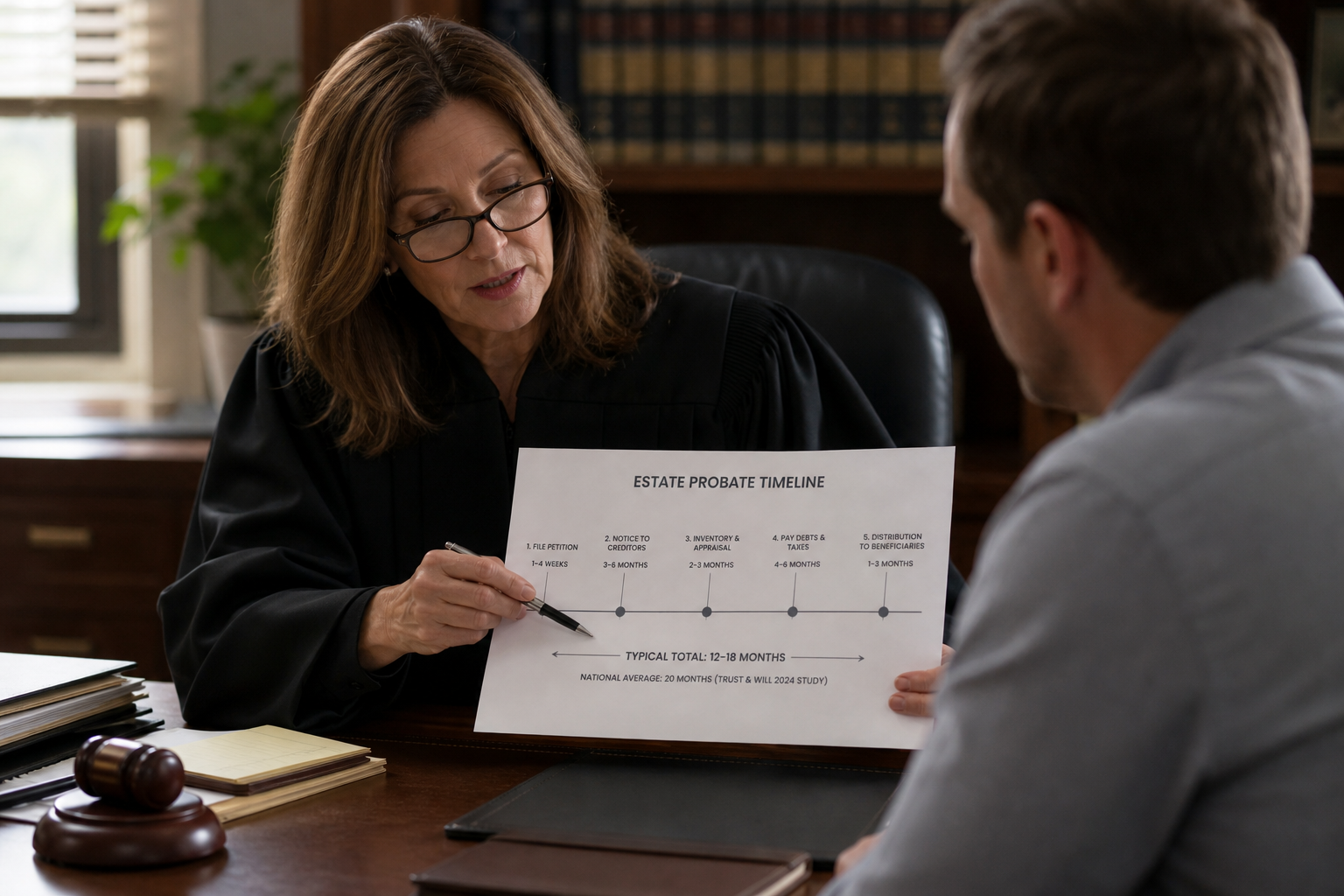
There is no single timeline for probate once your documents are filed. How long it takes depends on your state, the local court's calendar, the complexity of the estate, and whether your filings are complete. Missing a deadline, such as filing an incomplete inventory or a late creditor notice, can add delay. The creditor claim period and the consequences of distributing early depend on state law and your estate's facts, so confirm the timing with the local probate court or a probate attorney before you distribute.
How does Alix handle the document work across the full estate settlement process, including coordination with financial institutions and the court?
Alix's team helps organize your asset and financial records and follows up with financial institutions on your behalf. Licensed attorneys handle the legal filings with the court alongside that work.

Related resources